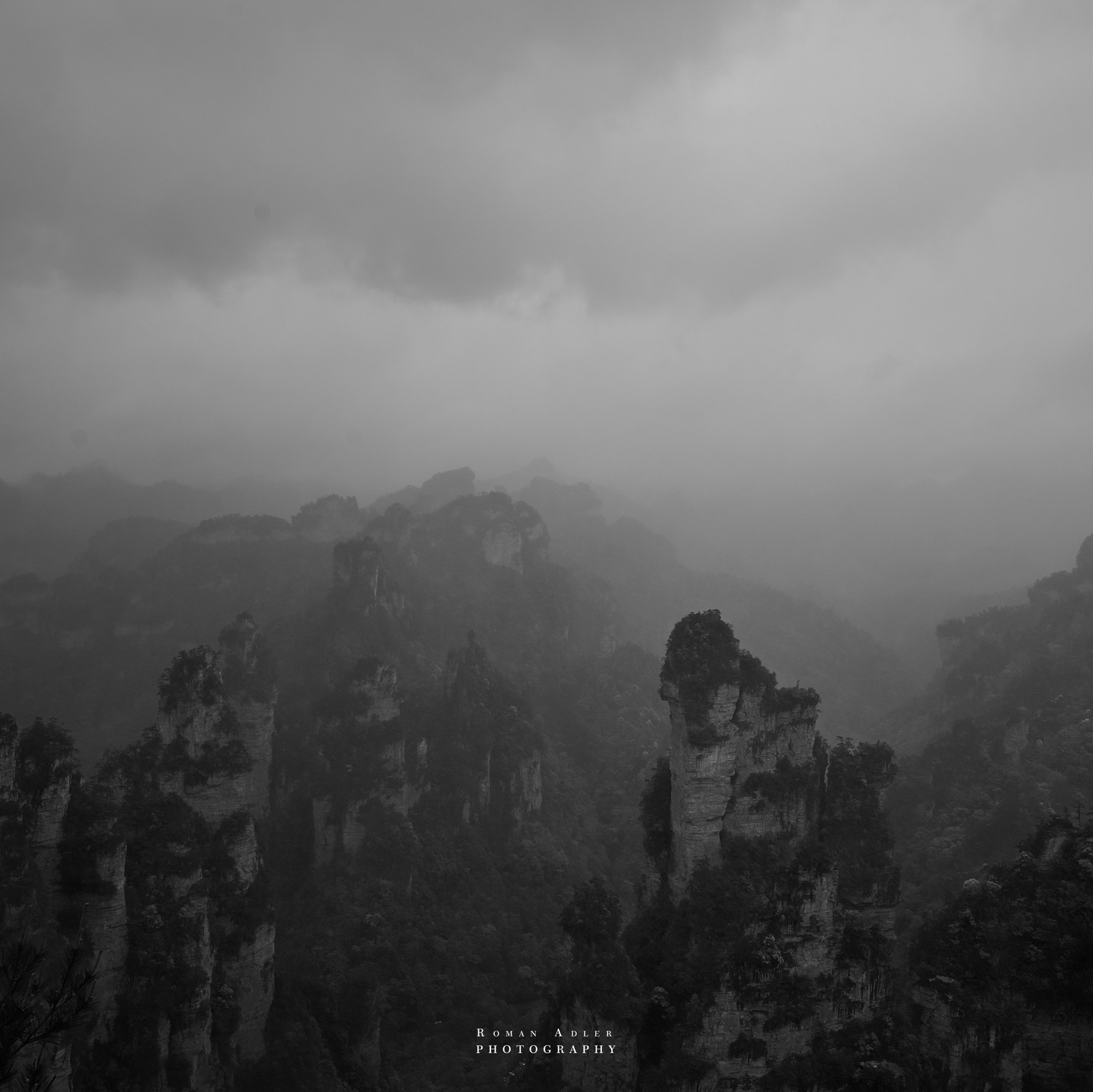
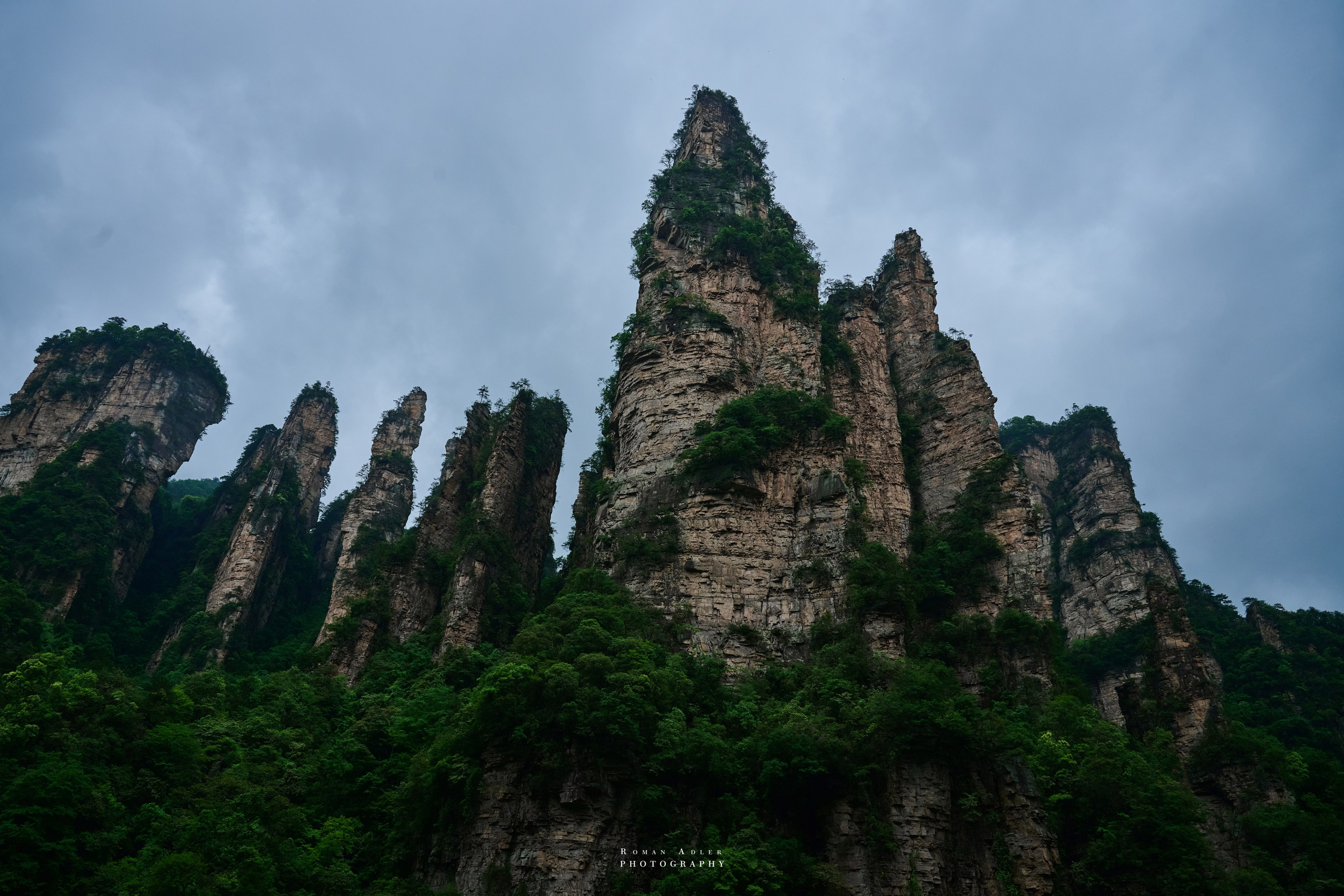
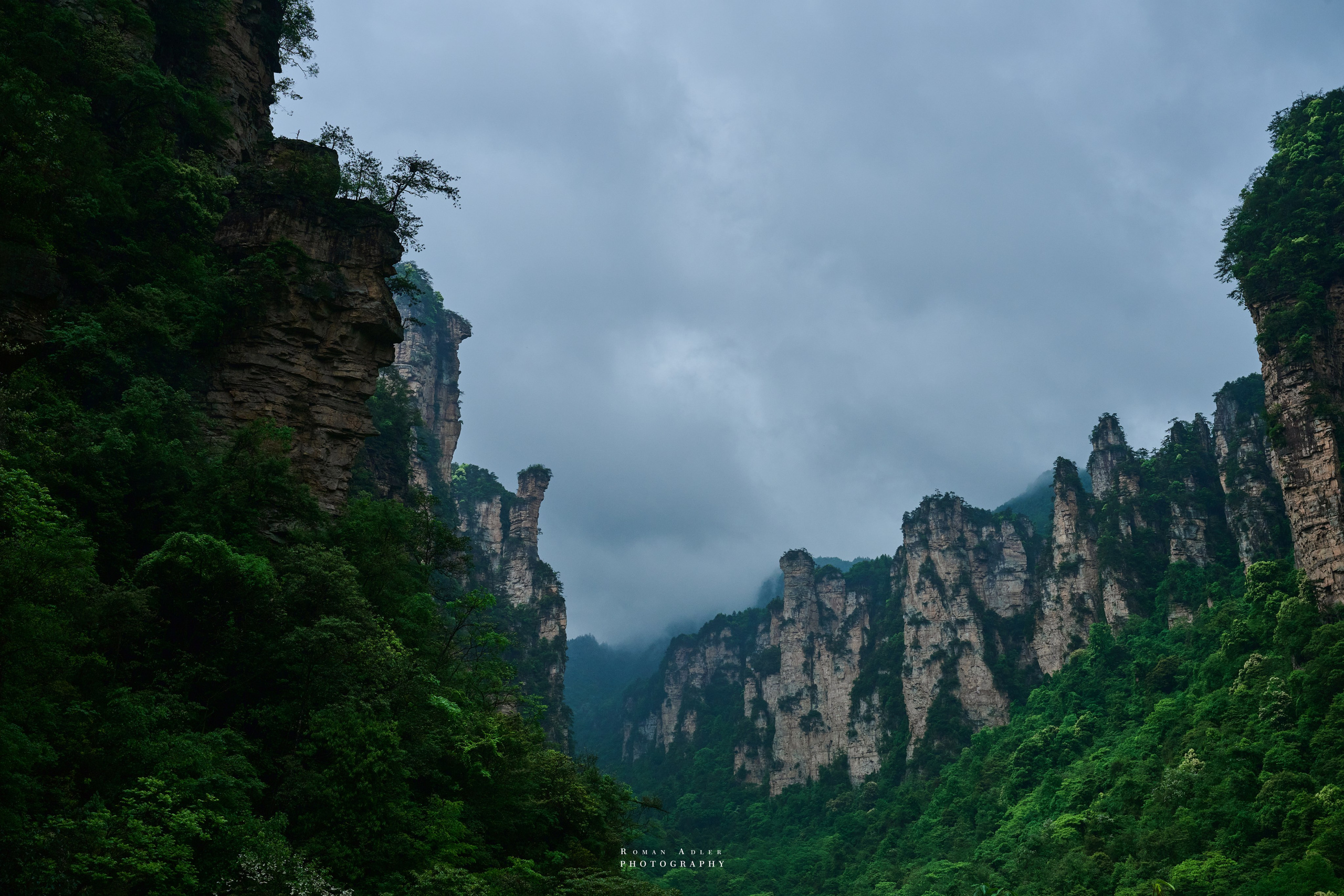
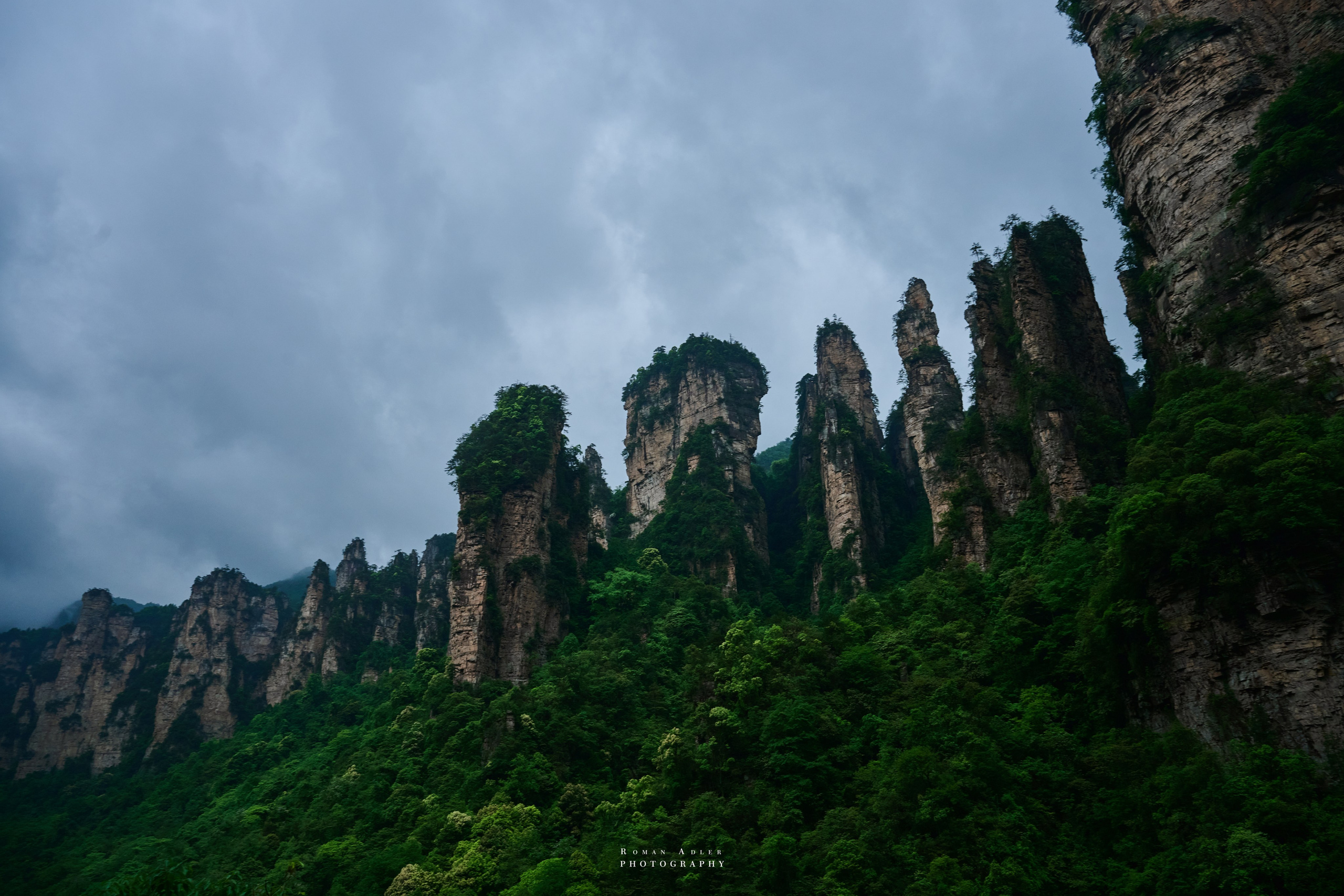
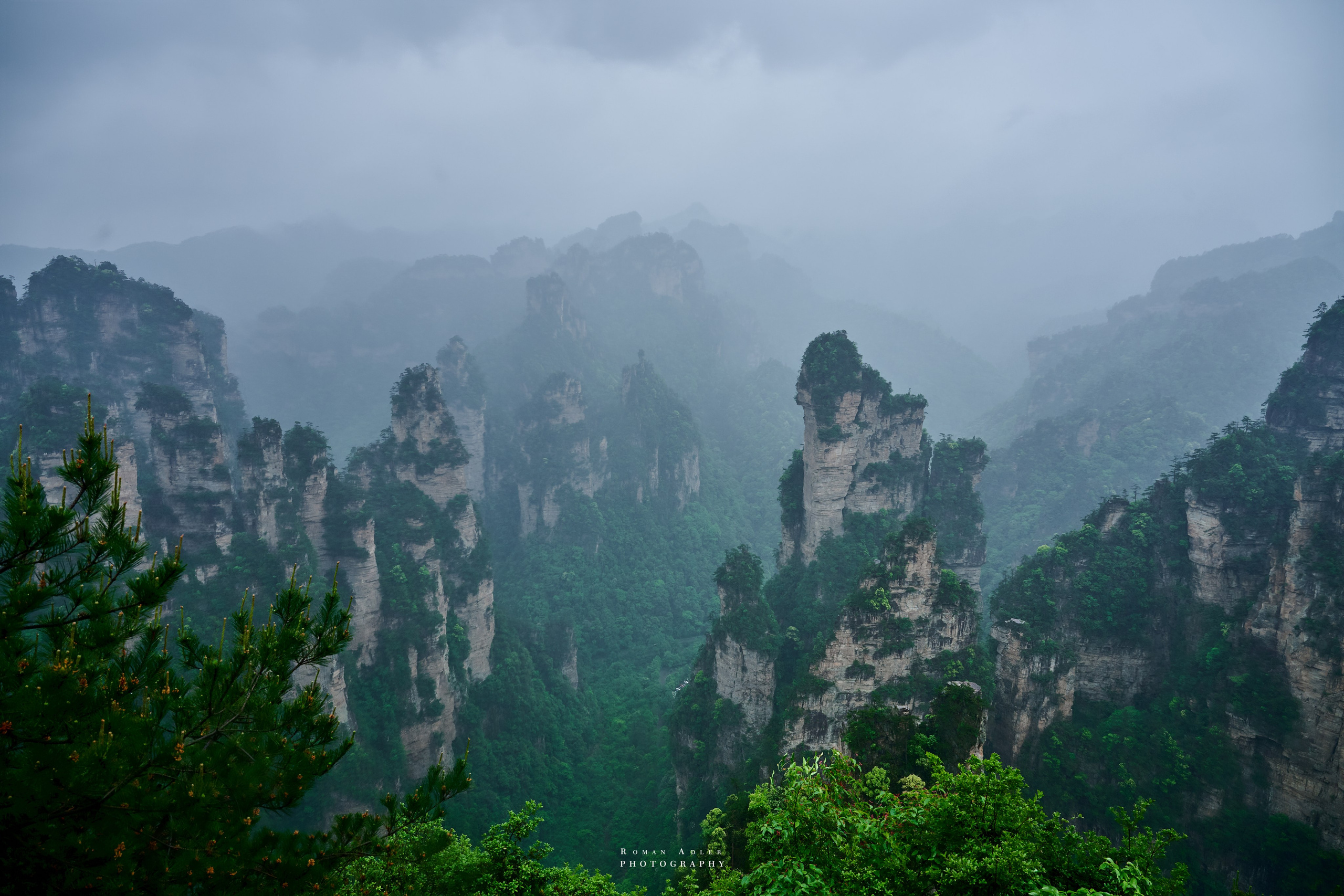
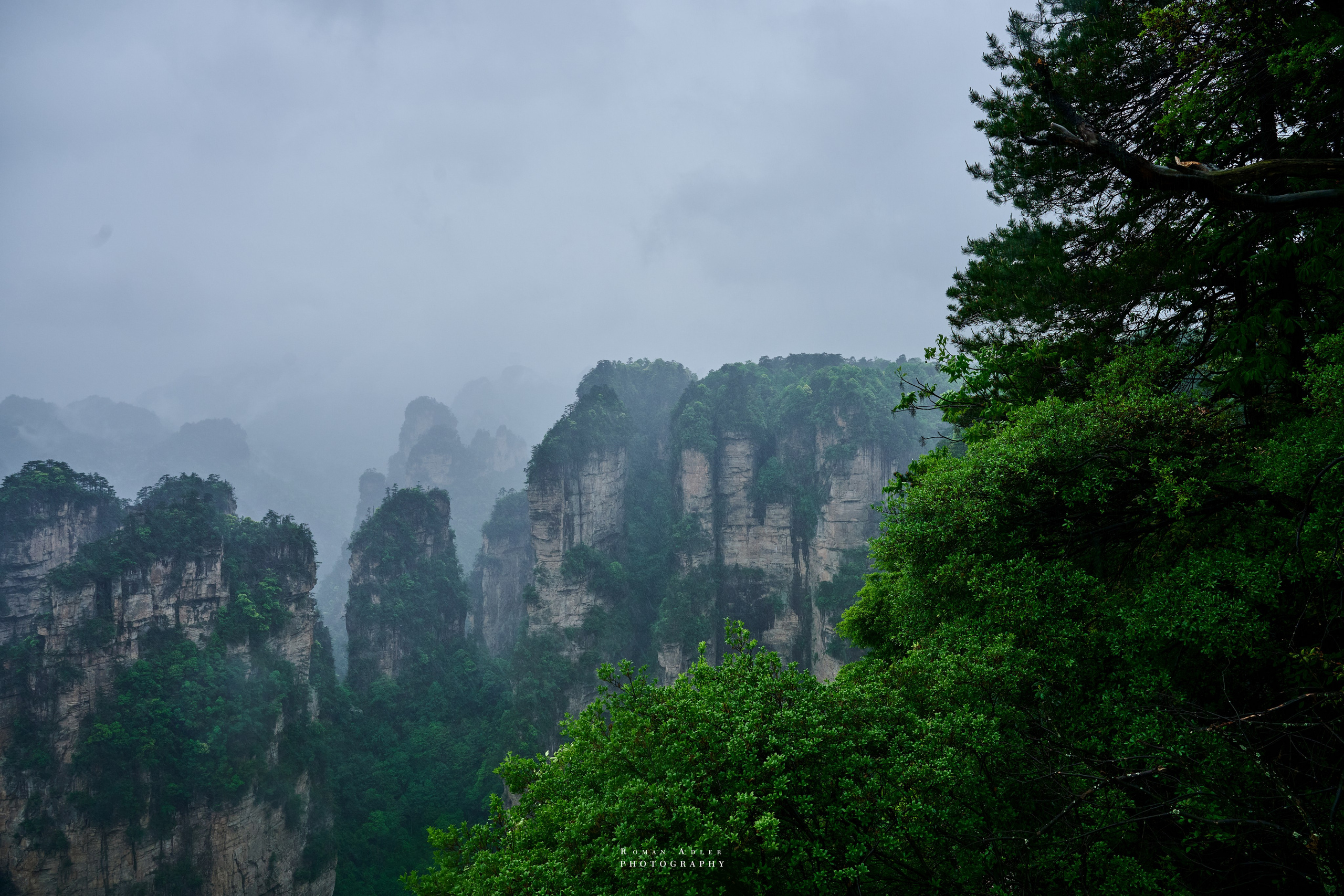
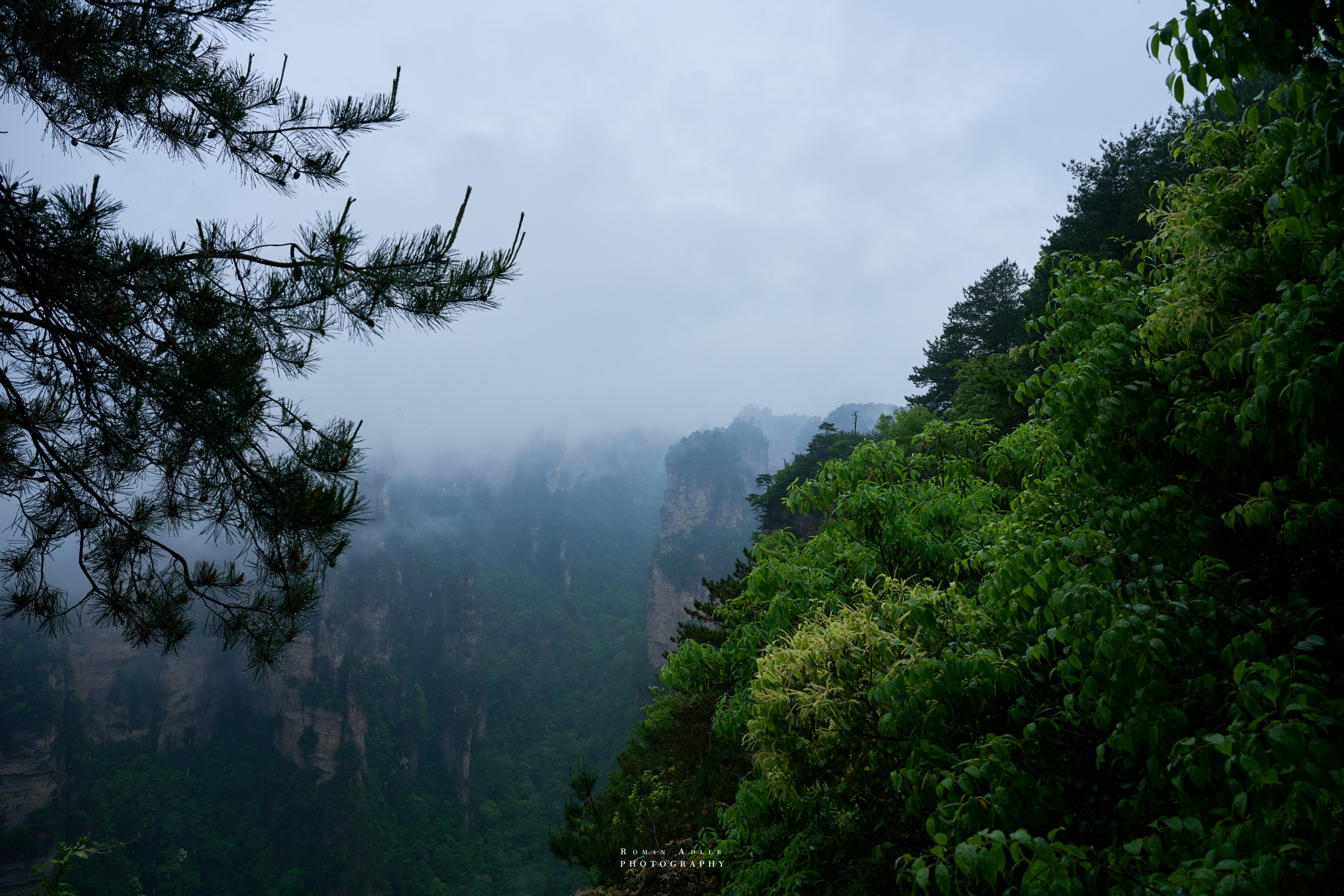
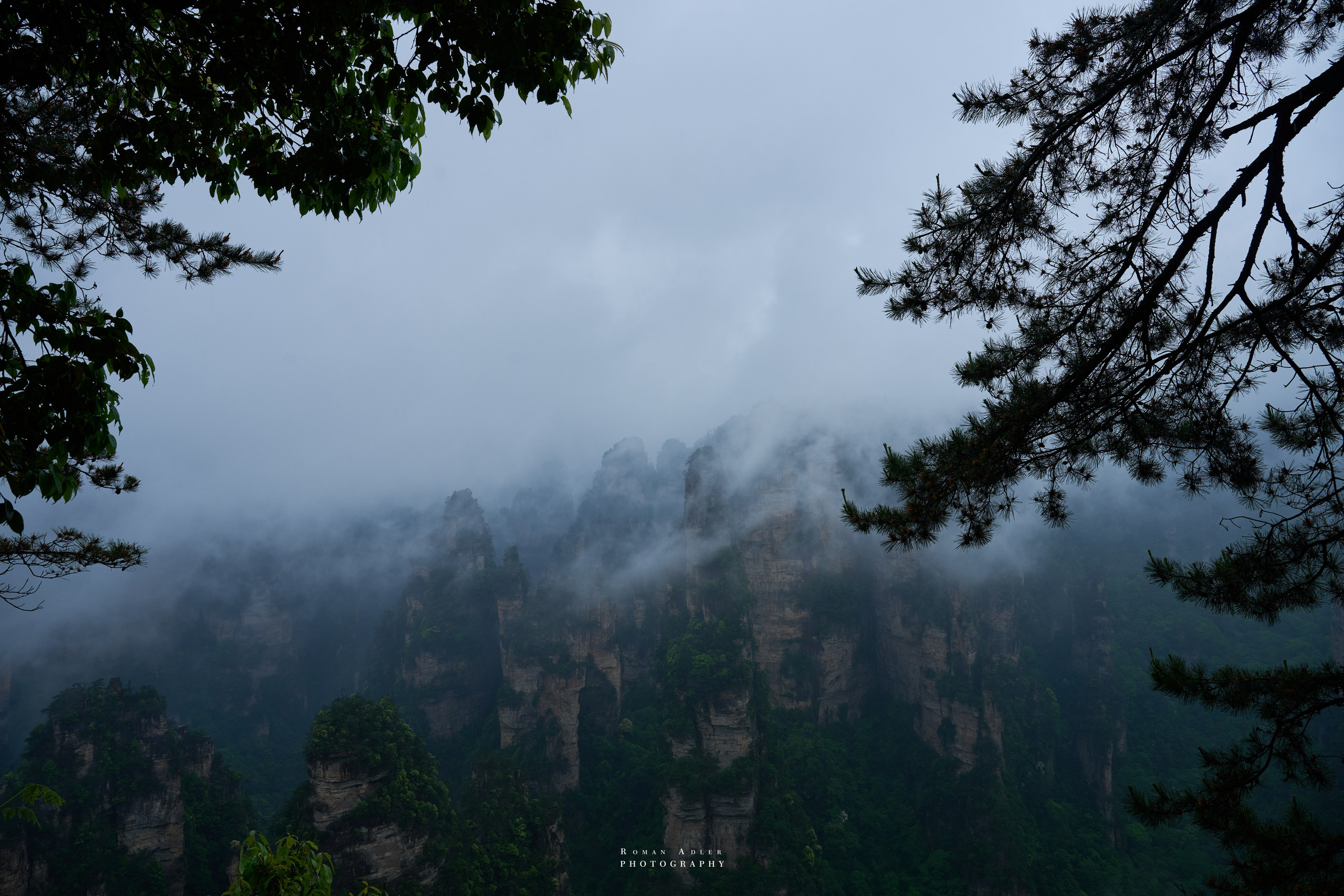
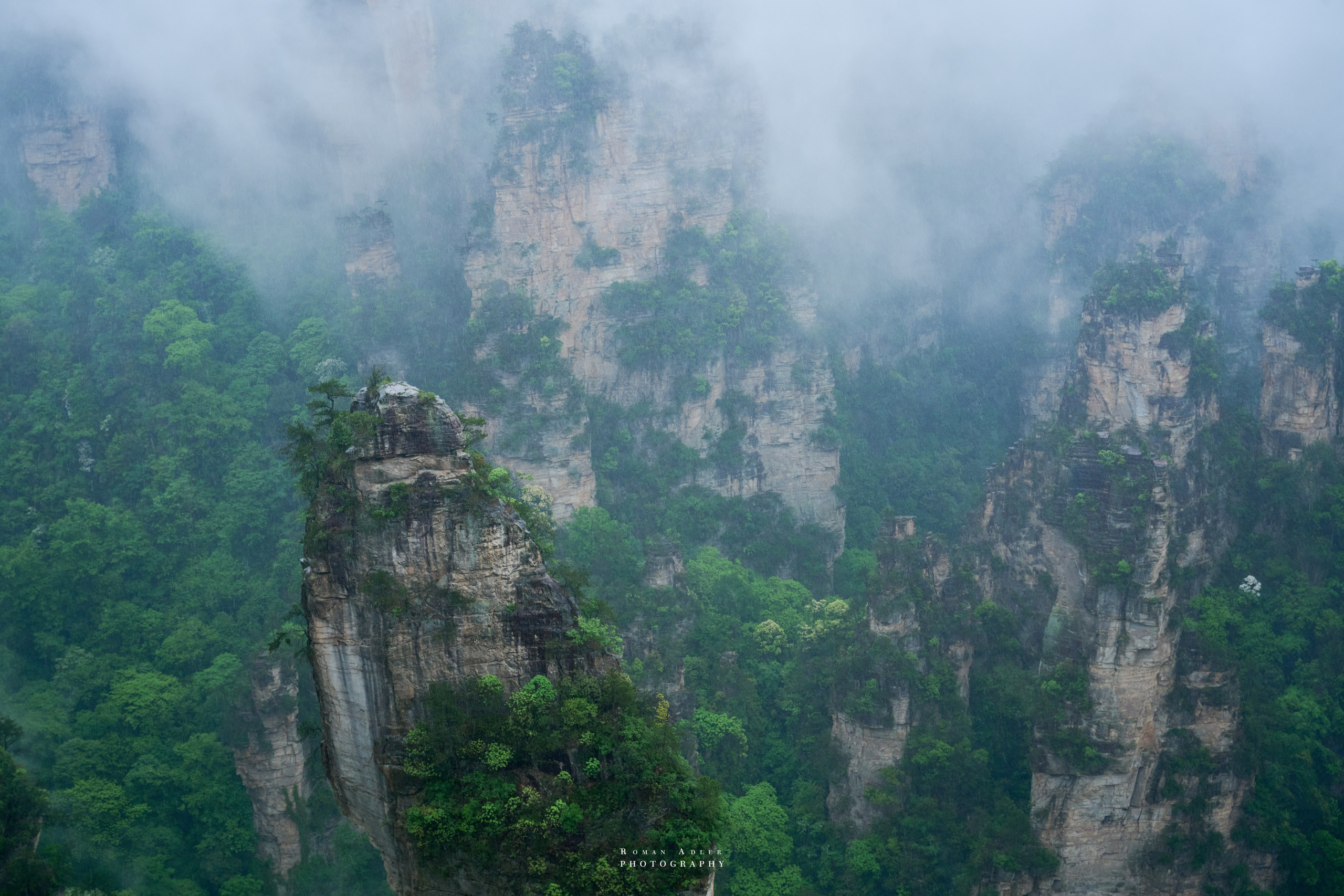
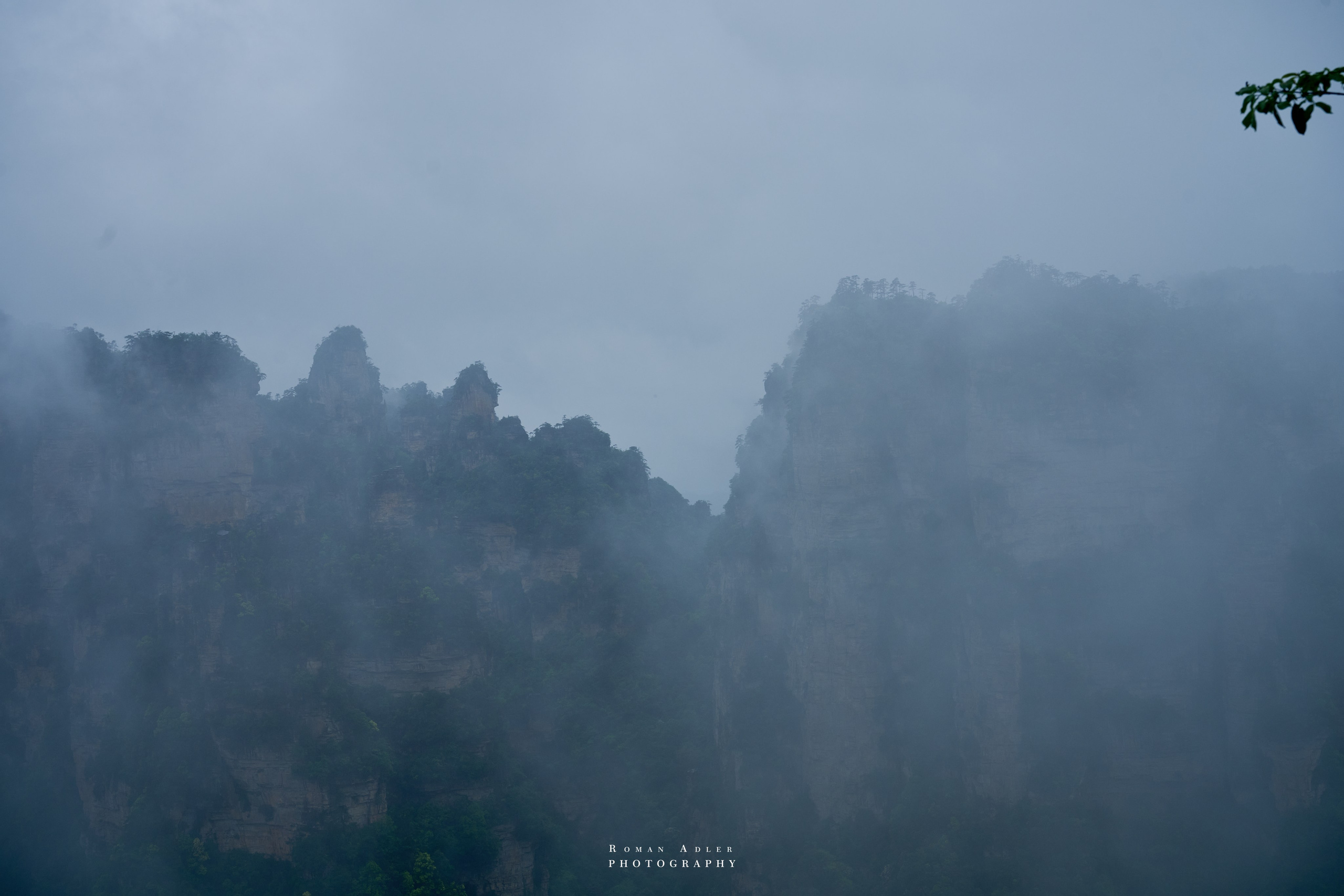
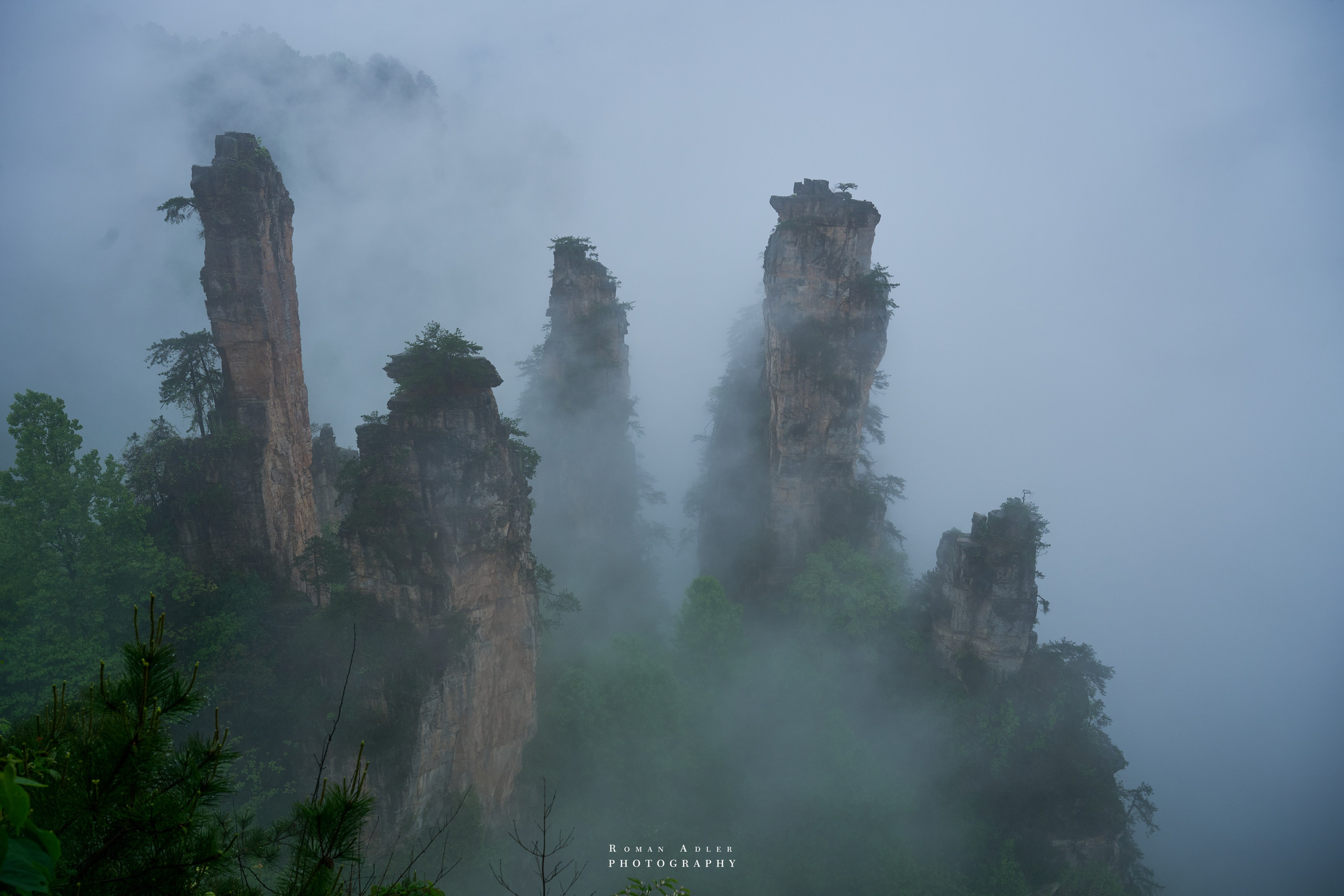

Земля, парящая в облаках.
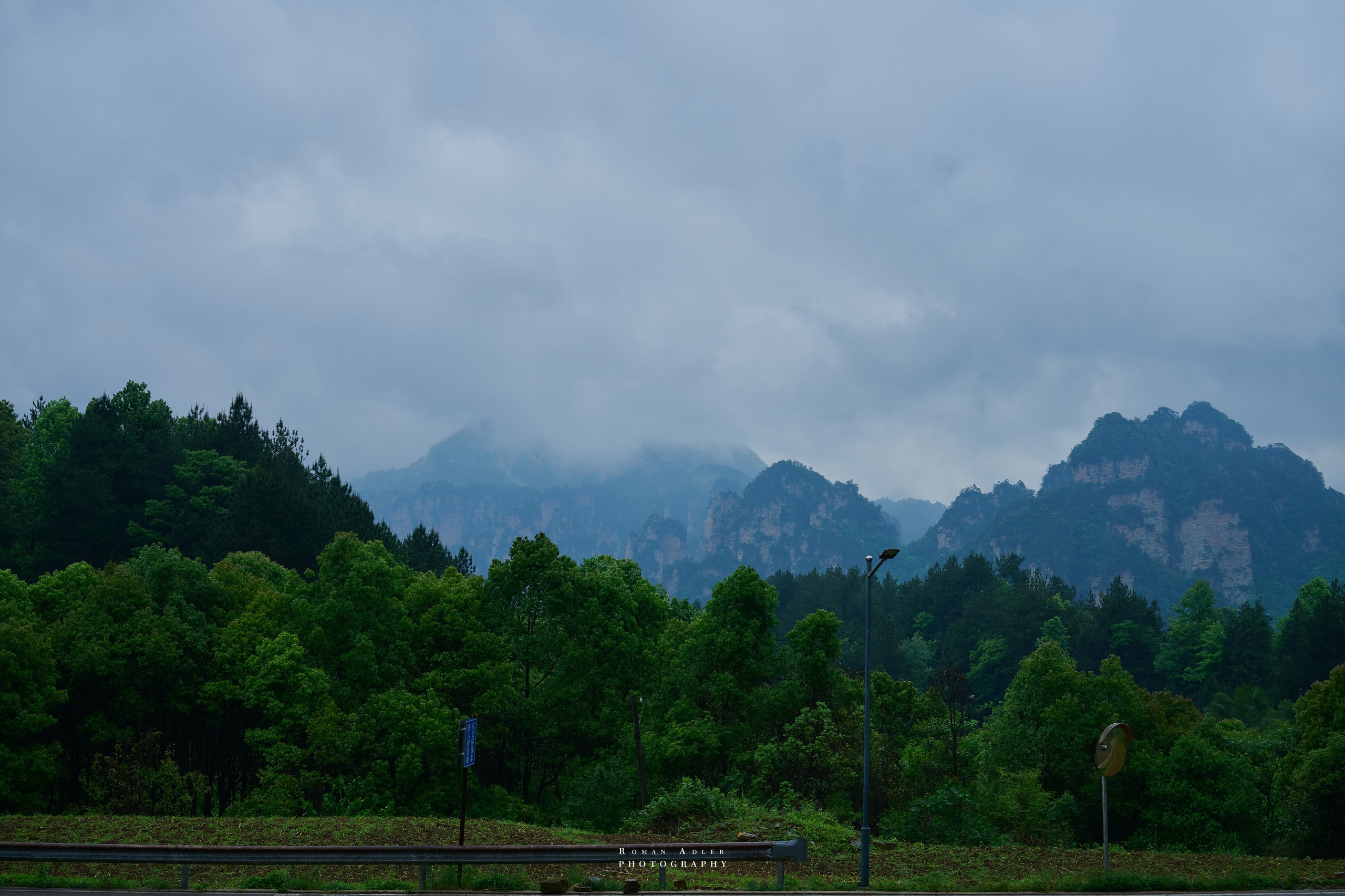
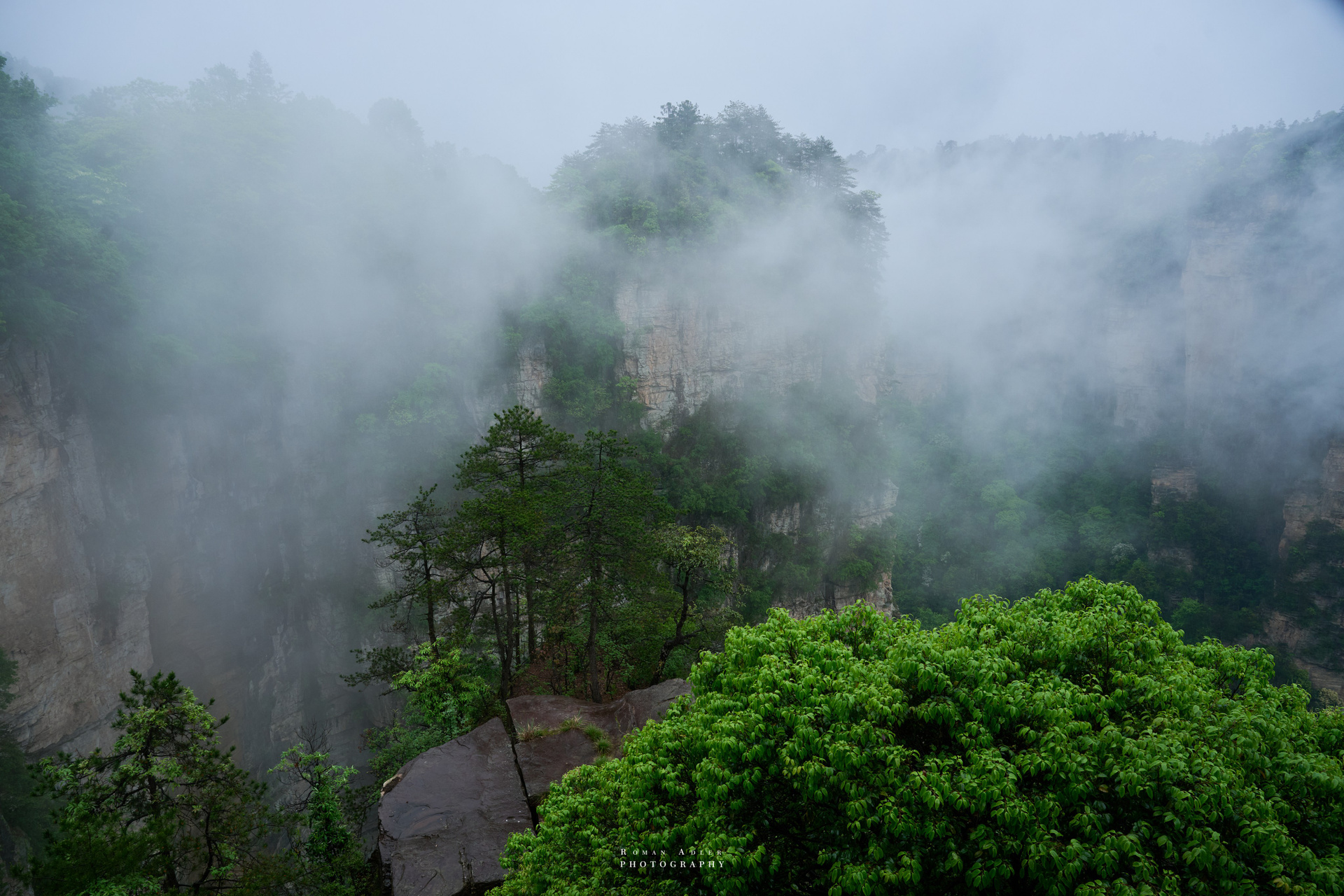
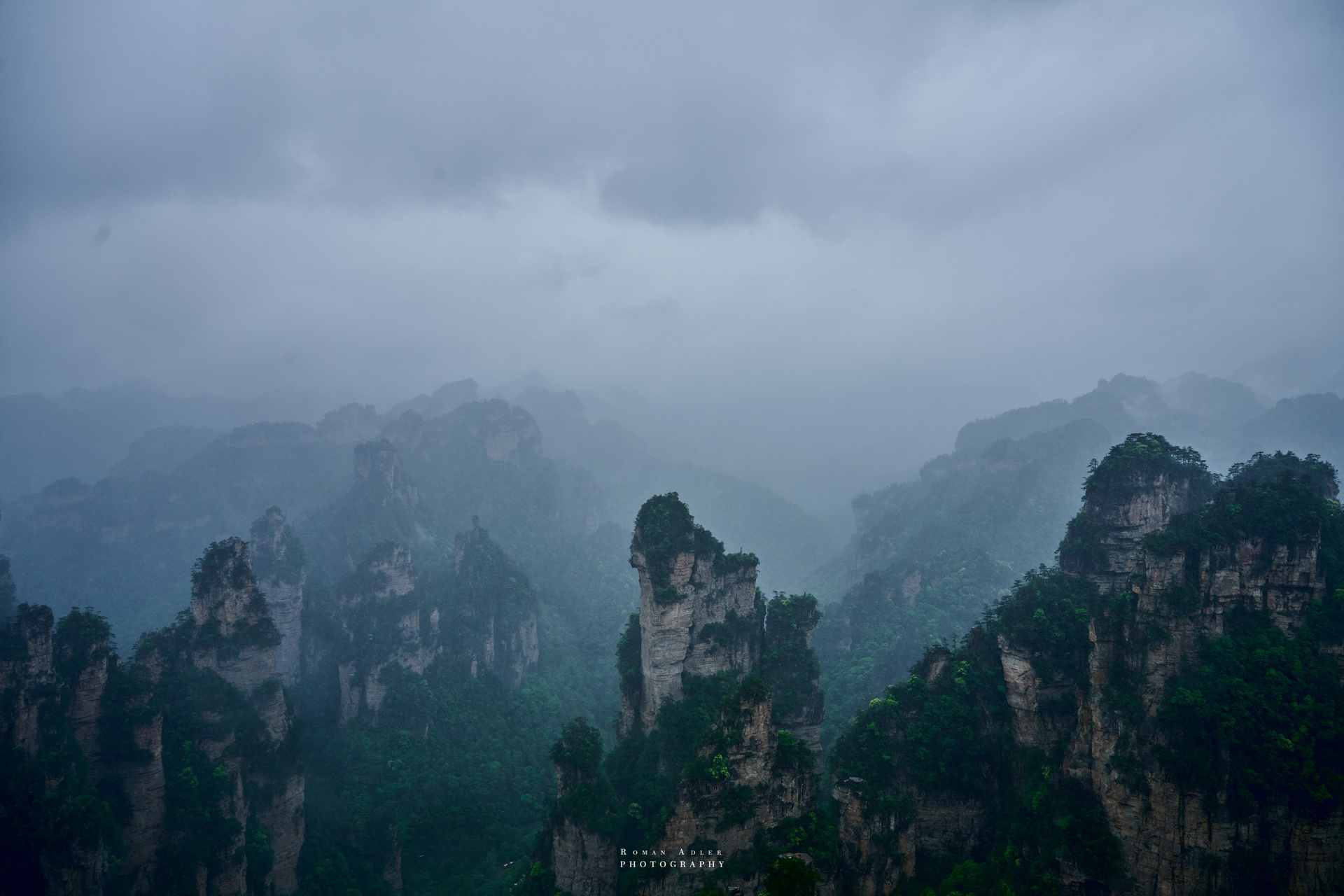
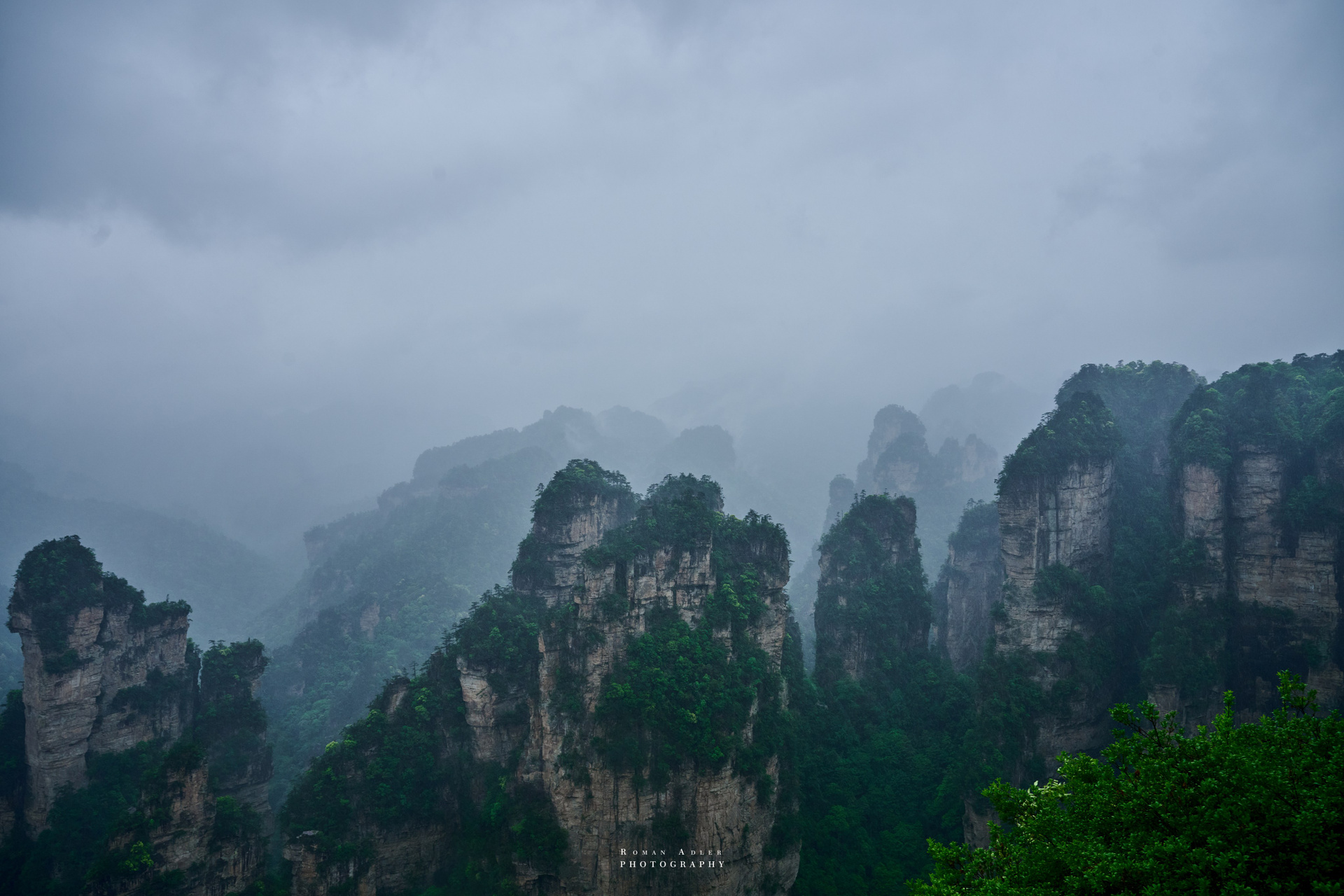
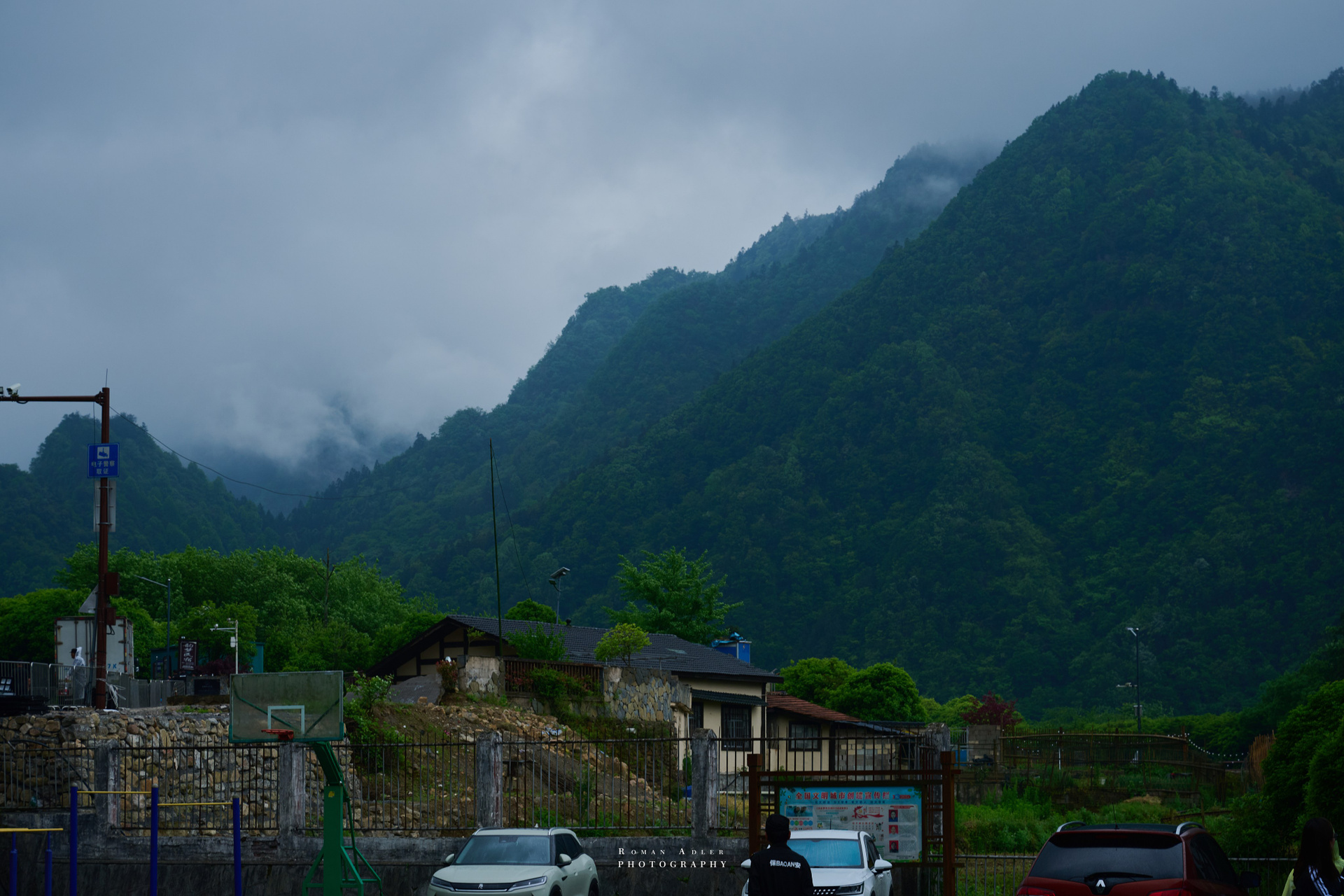
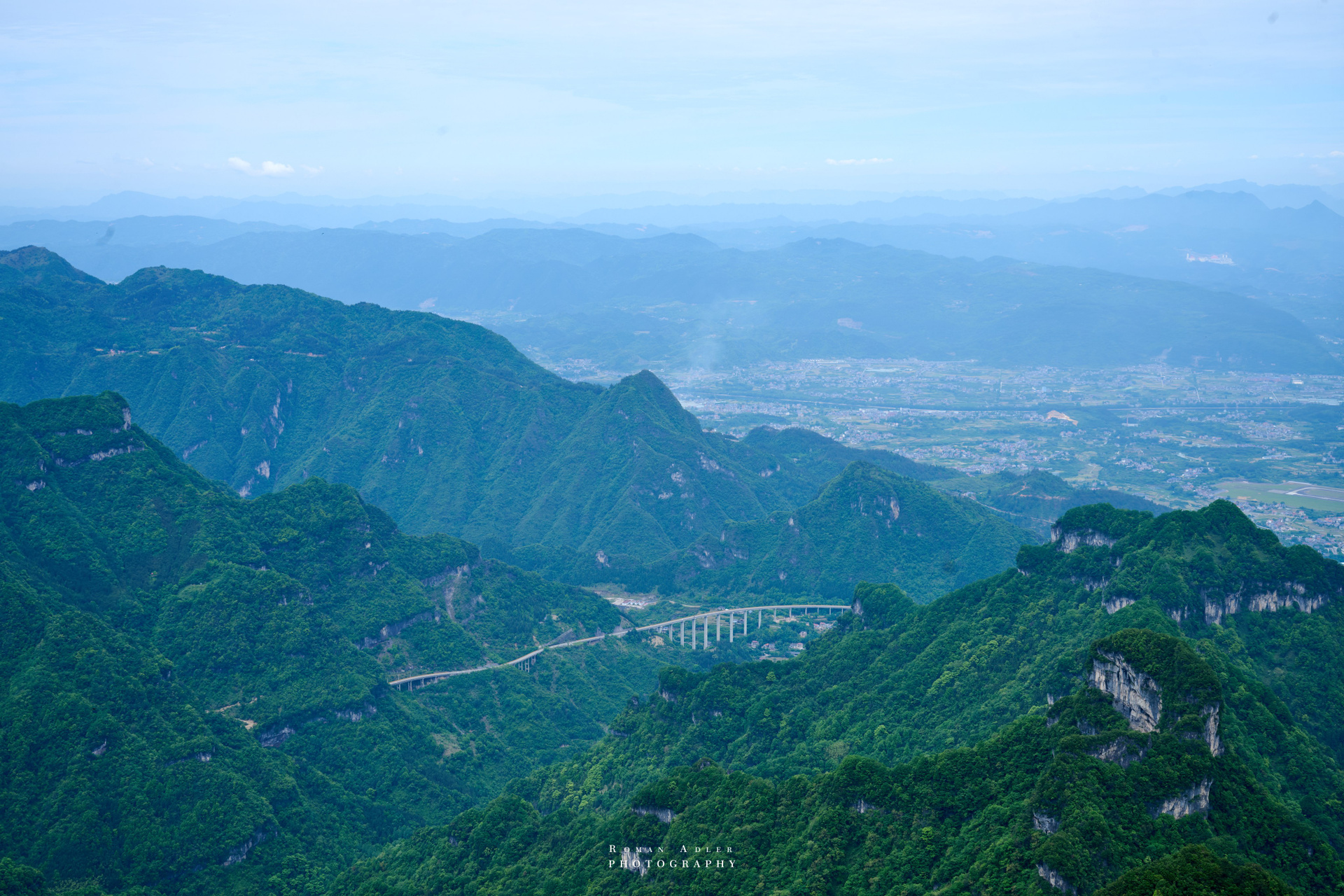
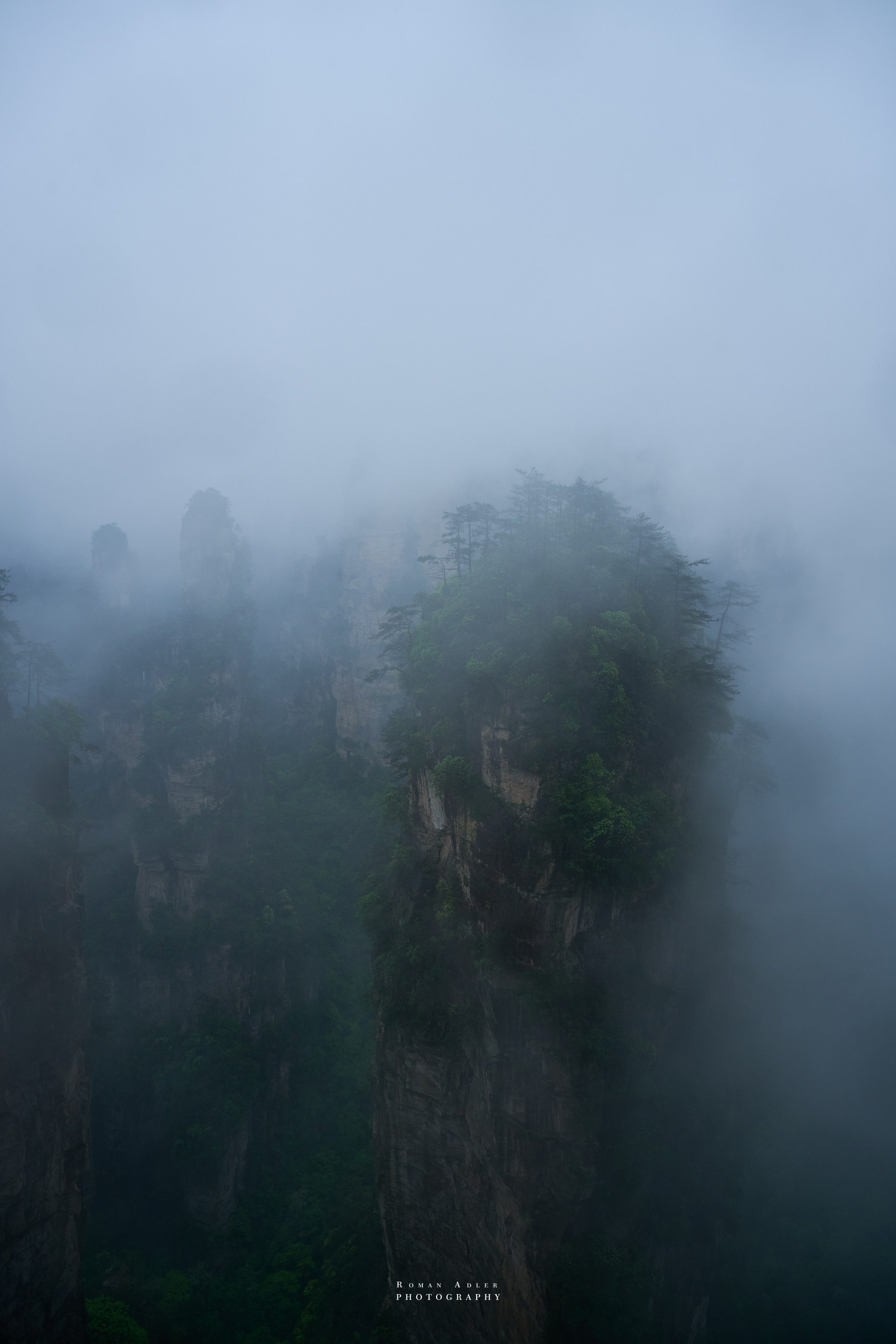
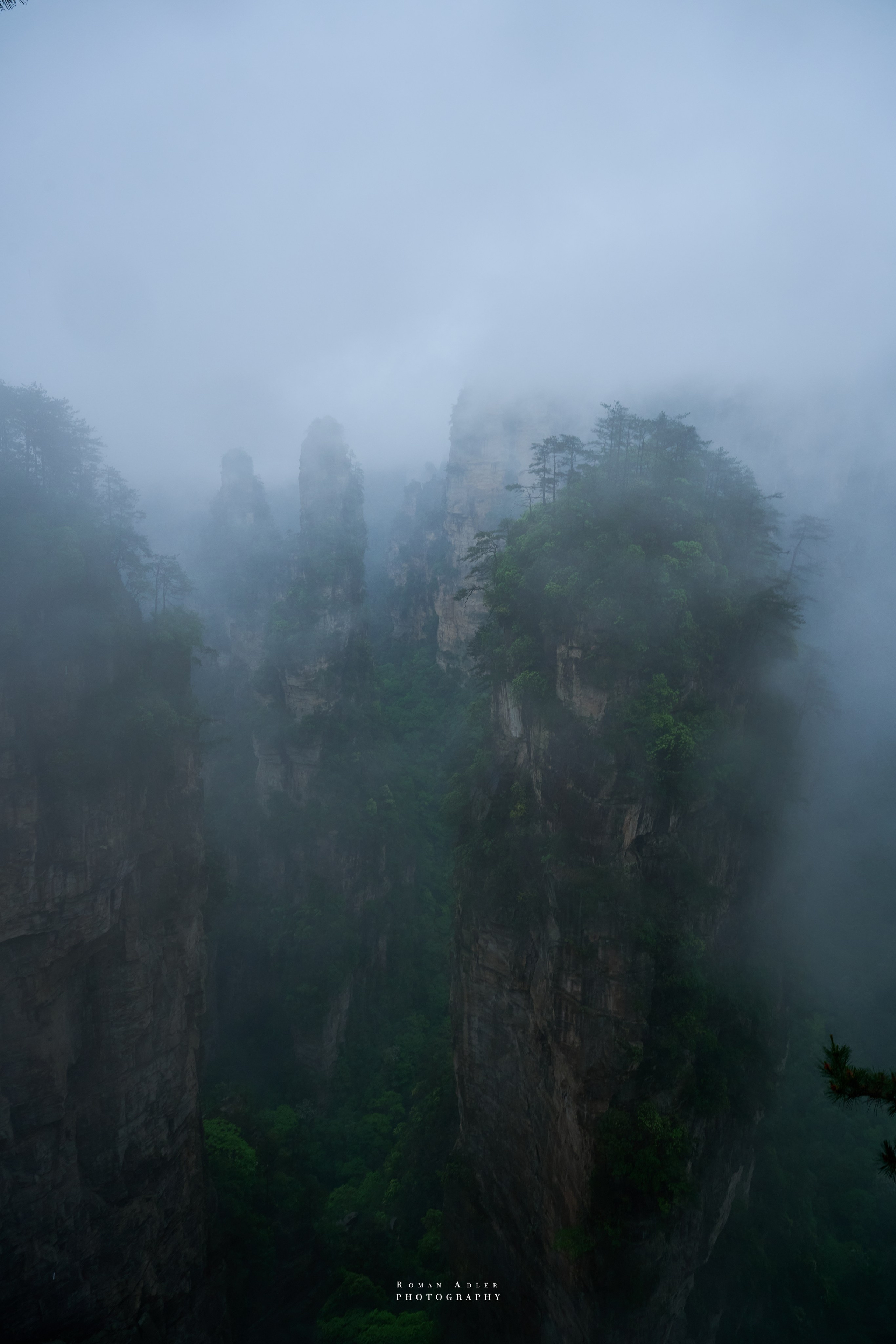
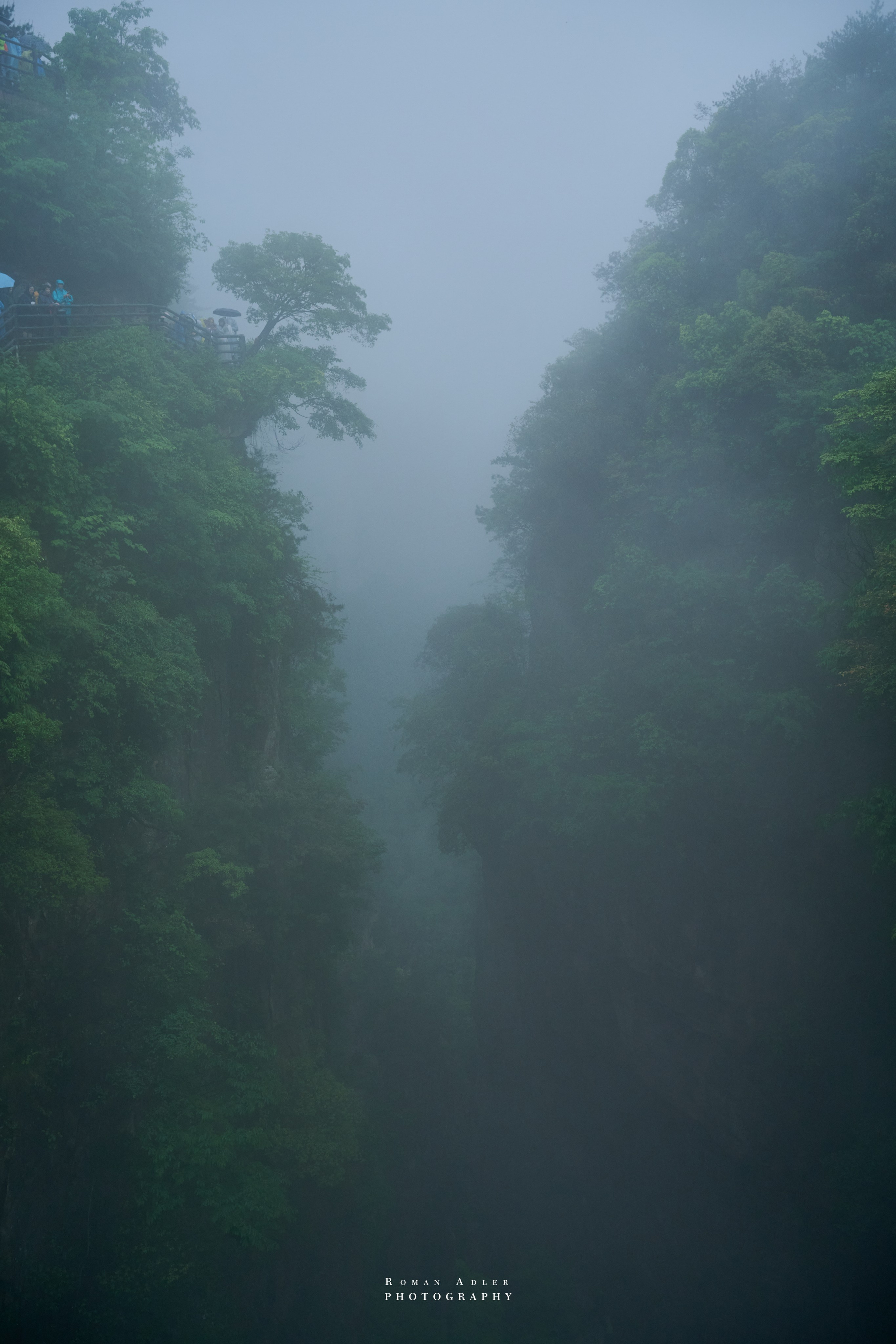
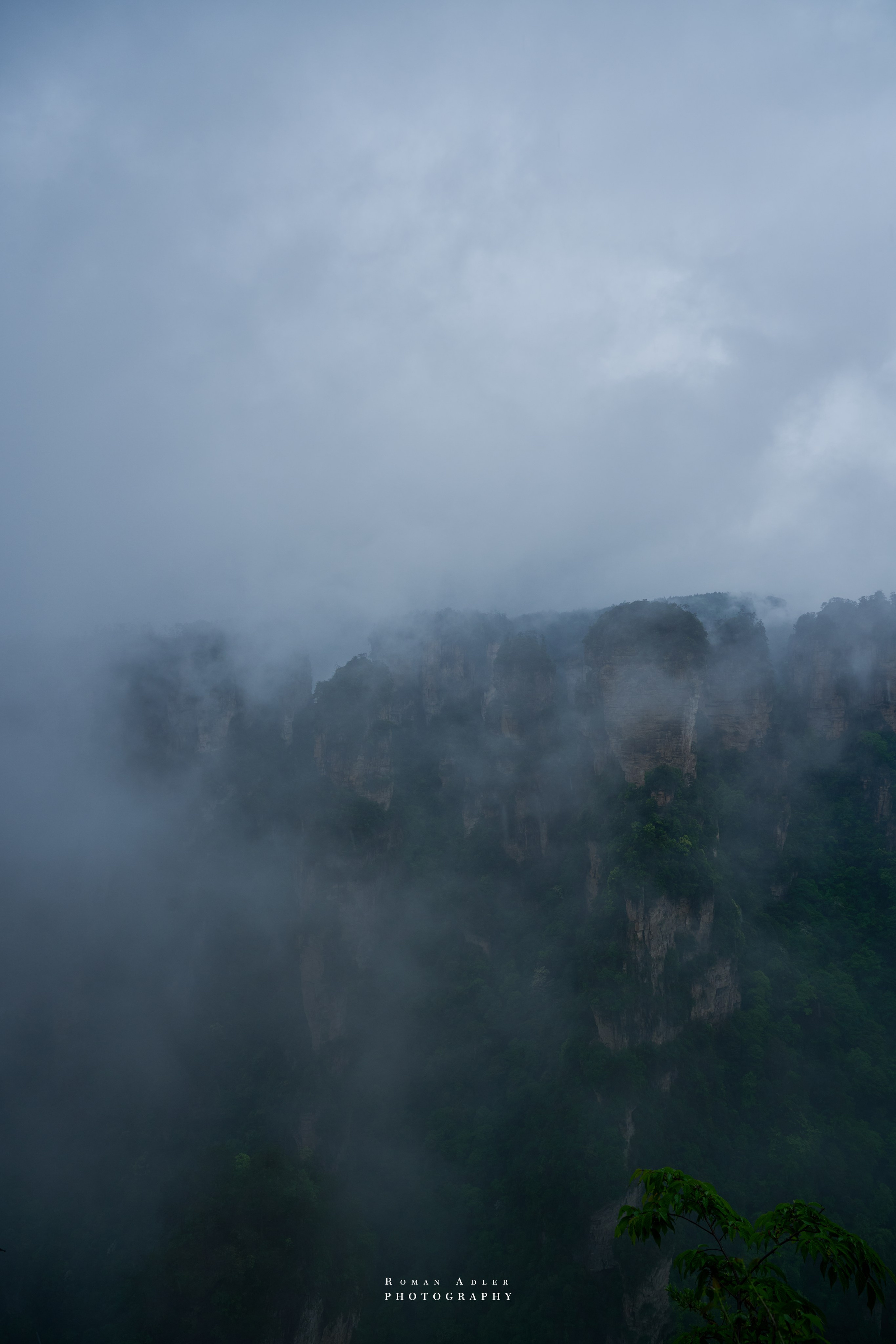
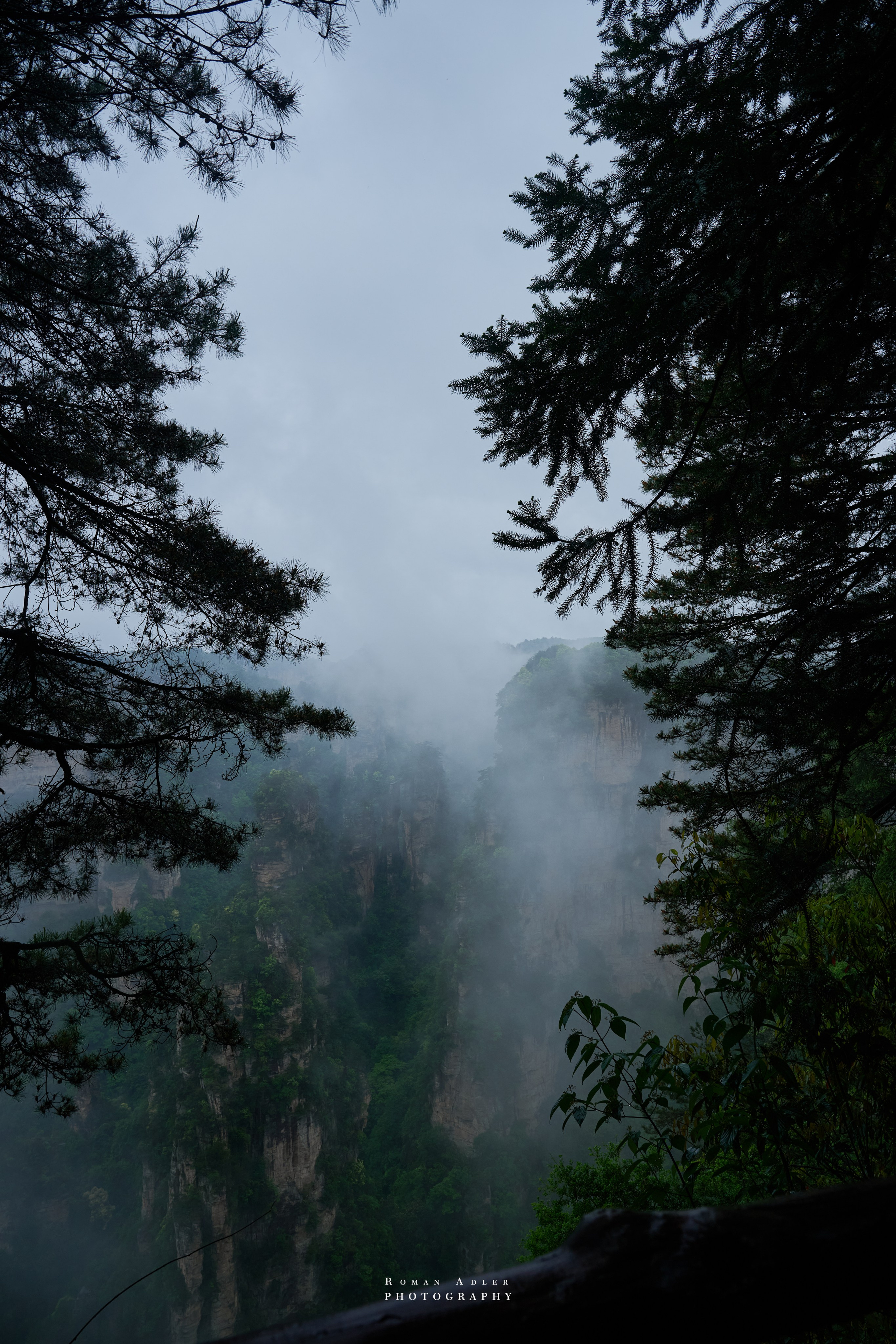
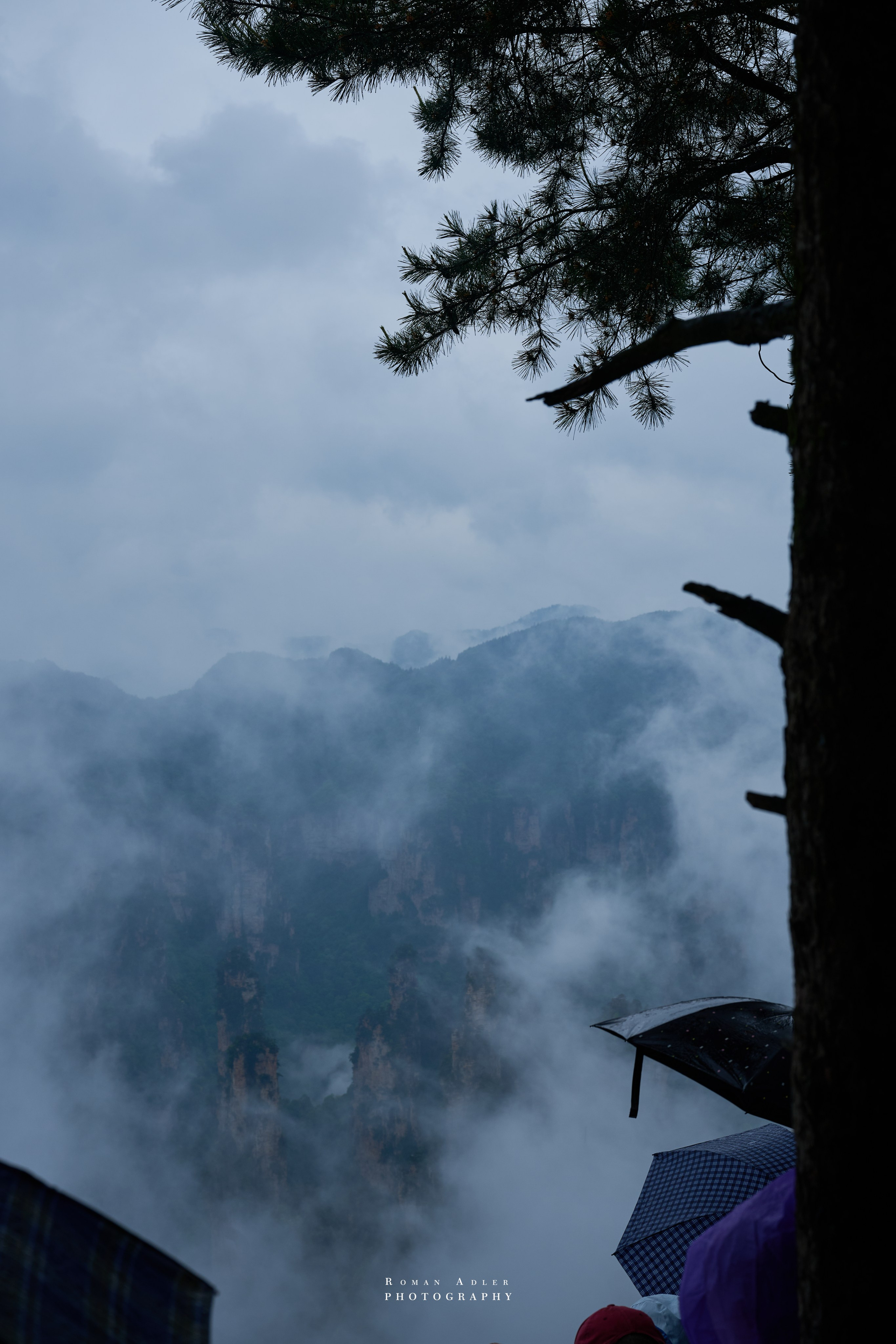
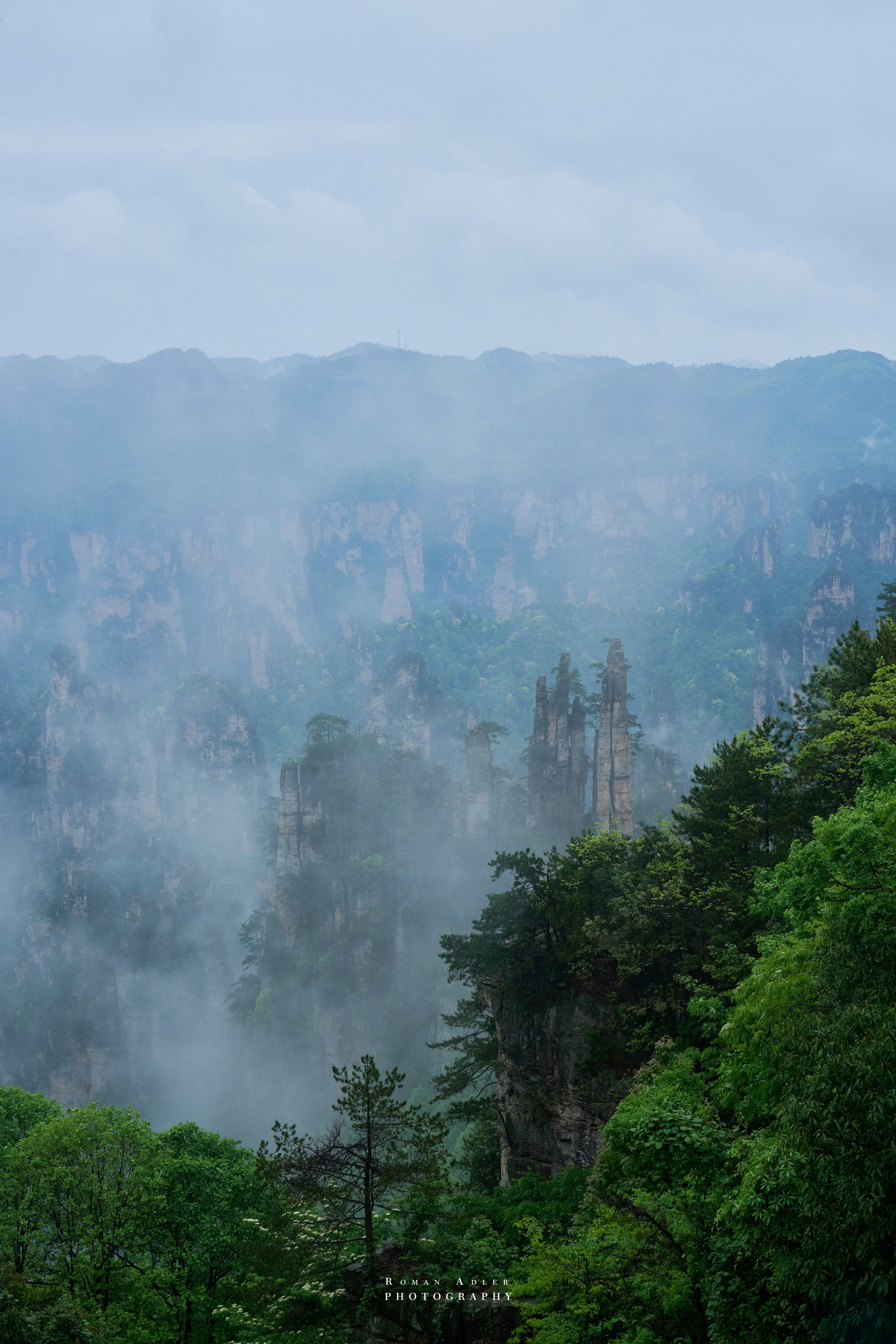
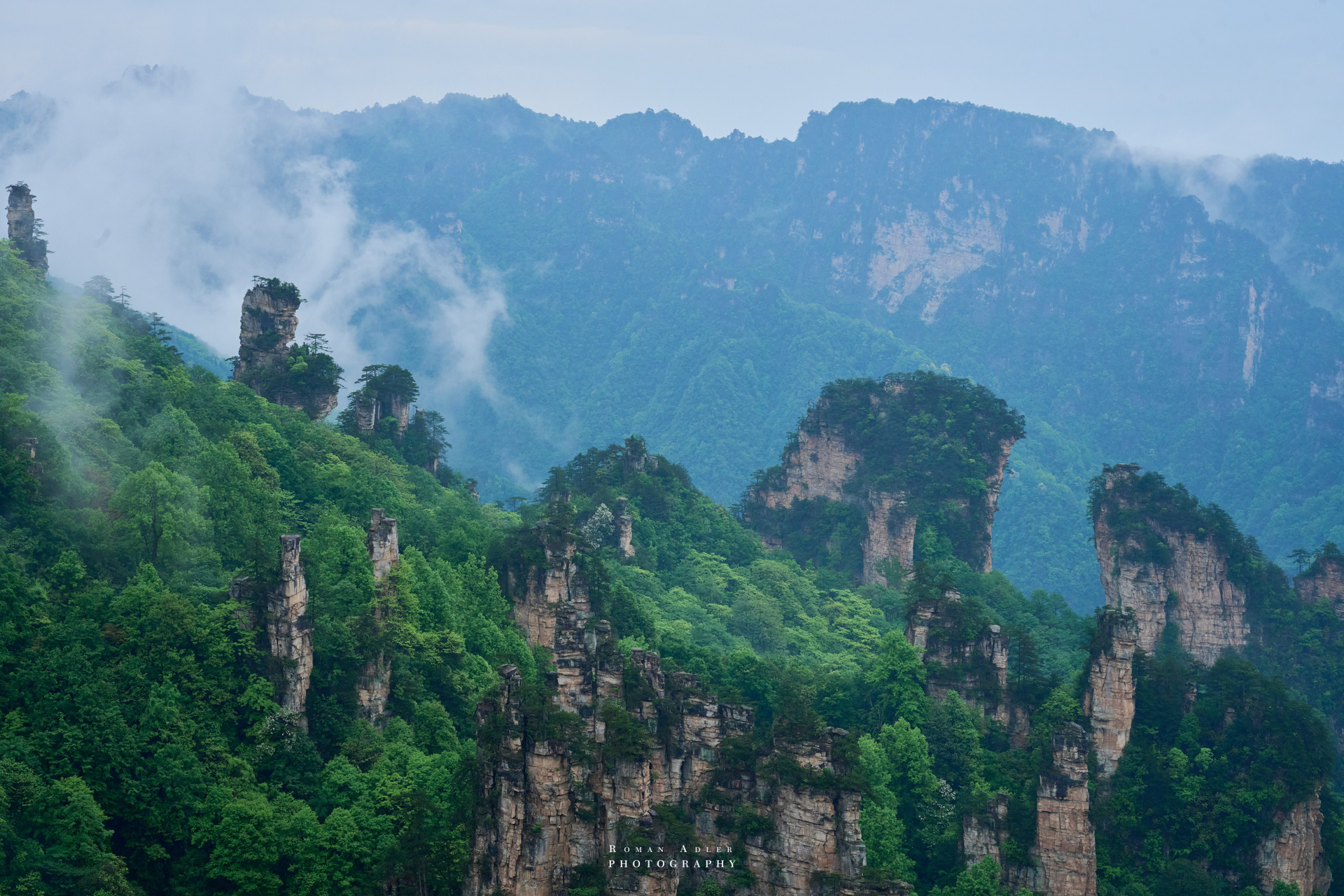
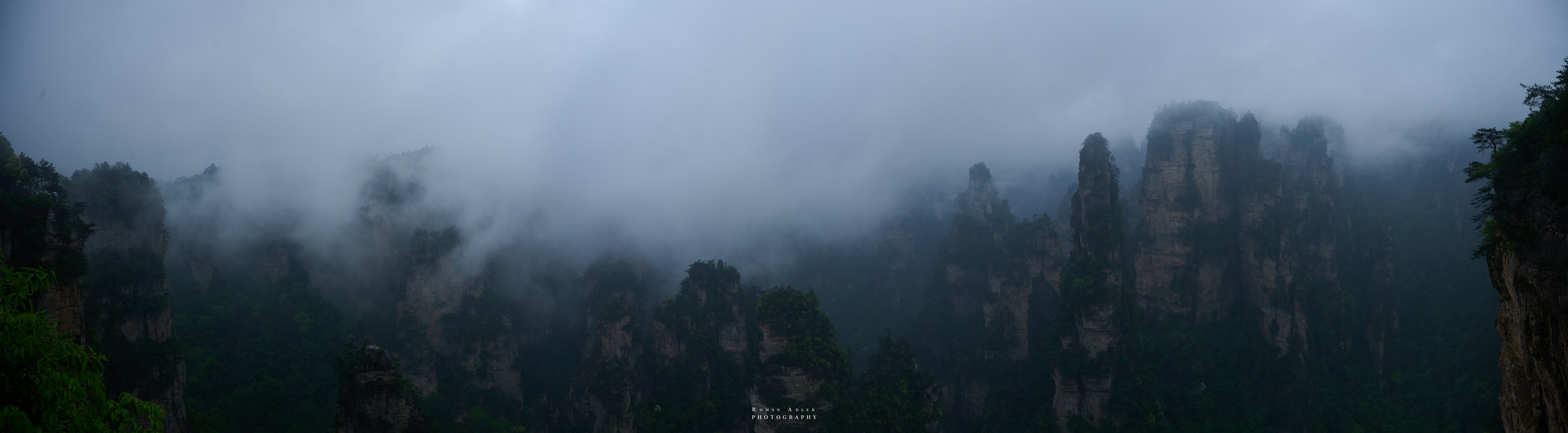
Мир, где острые пики из песчаника пронзают облака, густой туман окутывает древние леса, а воздух наполнен мистической тишиной, которую веками нарушали лишь ветер и легенды. Это не кадр из фантастического фильма, а реальность — национальный парк Чжанцзяцзе (Zhangjiajie) в китайской провинции Хунань. Это место, которое вдохновило Джеймса Кэмерона на создание парящих гор Пандоры, навсегда изменило представление о природных чудесах и стало одной из самых желанных точек на карте путешественников.
Глава 1:
Город, переименованный в честь гор
История этого края уходит корнями в глубокую древность. Первые поселения здесь появились еще до нашей эры, а в китайских хрониках III века этот регион упоминался под поэтичным названием «Улинъюань» (Wulingyuan), что переводится как «край горных вершин».
Сам же топоним «Чжанцзяцзе» (Zhangjiajie) окутан легендами. Название, которое переводится как «рубеж семьи Чжан», связано с именем могущественного стратега Чжан Ляна (Zhang Liang). По преданию, после основания империи Хань он нашел здесь свое последнее пристанище, уединившись среди величественных скал.
Долгое время эти земли и город носили имя «Даюн» (Dayong). Переломный момент наступил в 1982 году, когда в этих местах был основан первый в Китае национальный лесной парк. Его стремительно растущая мировая известность привела к тому, что в 1994 году город Даюн был официально переименован в Чжанцзяцзе — в честь главной природной достопримечательности.
Глава 2:
Каменный лес, рожденный океаном
Чтобы понять величие Чжанцзяцзе, нужно заглянуть в его геологическое прошлое, которое насчитывает сотни миллионов лет.
· Эра древнего моря (около 400 млн лет назад): Вся территория современного парка была дном океана. Здесь накапливались мощные слои песчаника с высоким содержанием кварца — до 95%.
· Рождение гор (мезозойская эра): Тектонические движения плит вытолкнули морское дно на высоту более километра. Так образовалась толща песчаника толщиной около 800 метров.
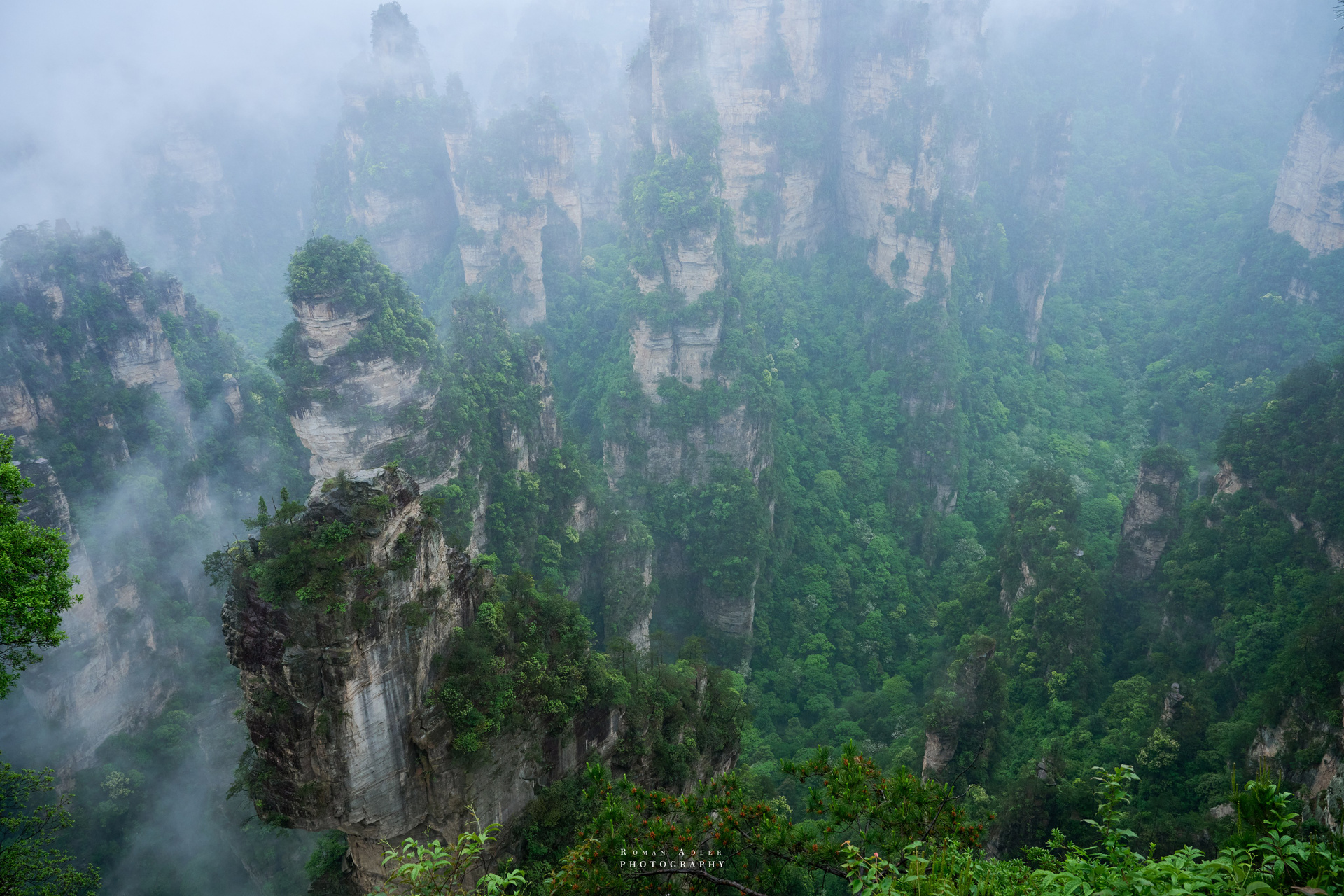
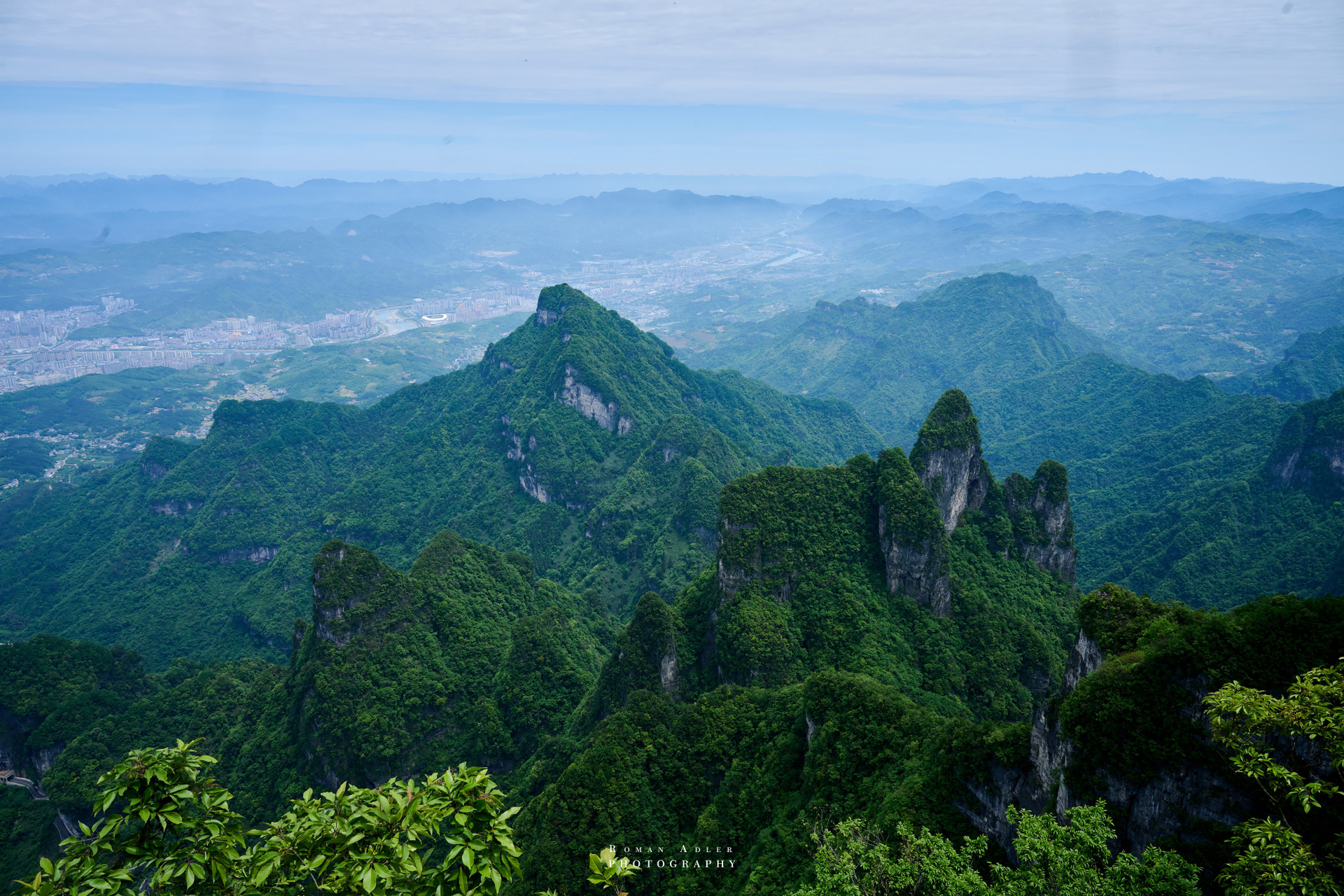
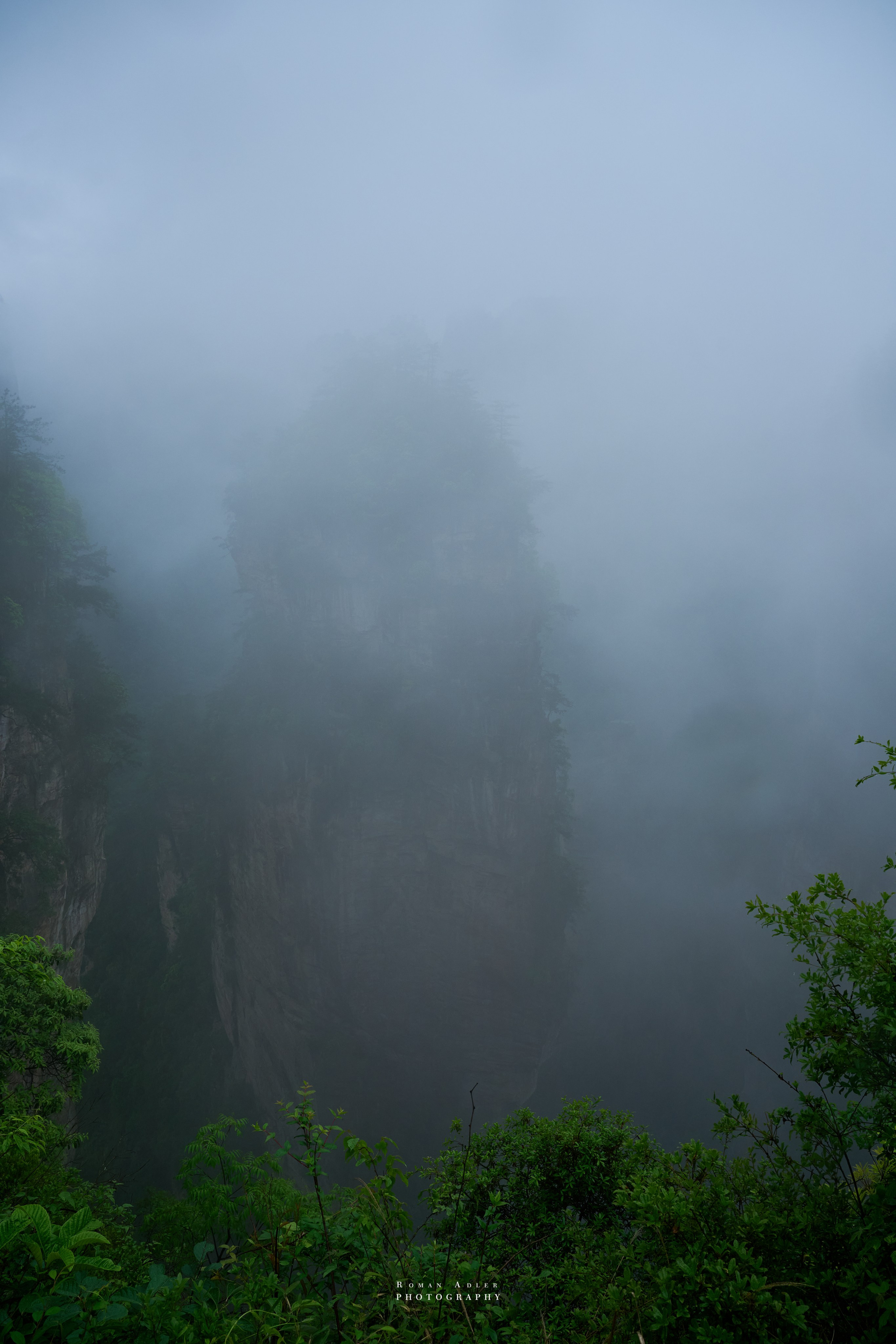
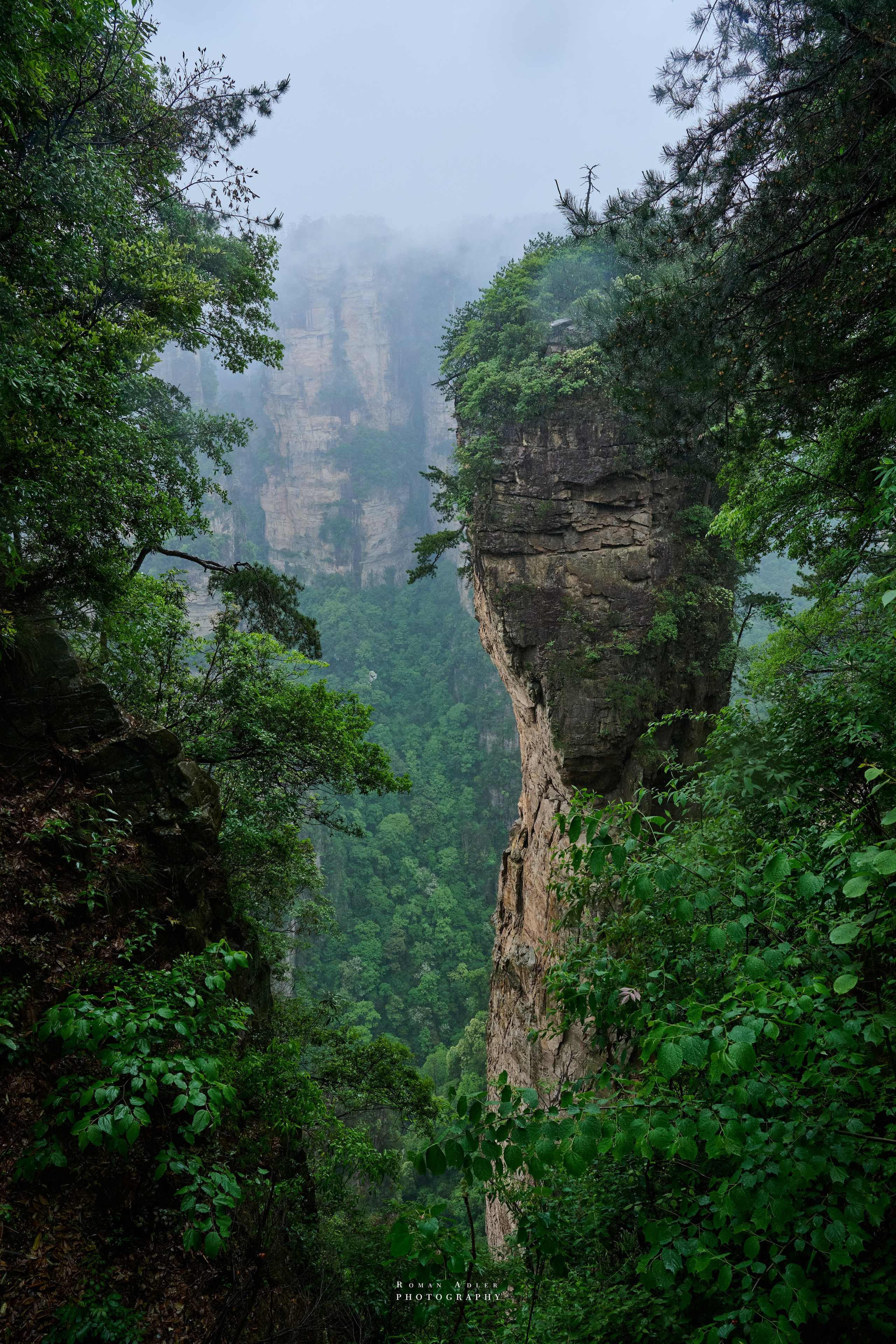
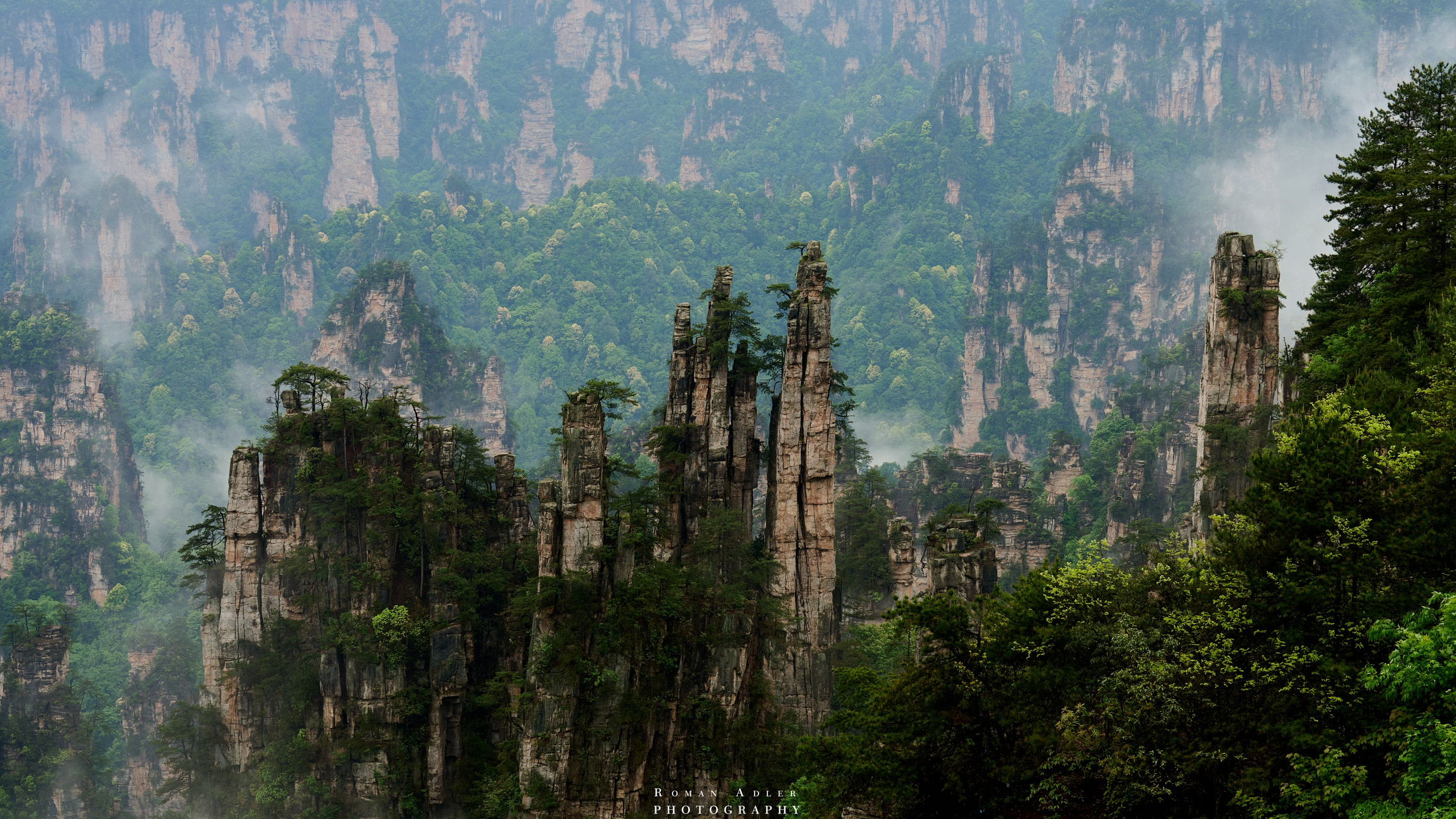
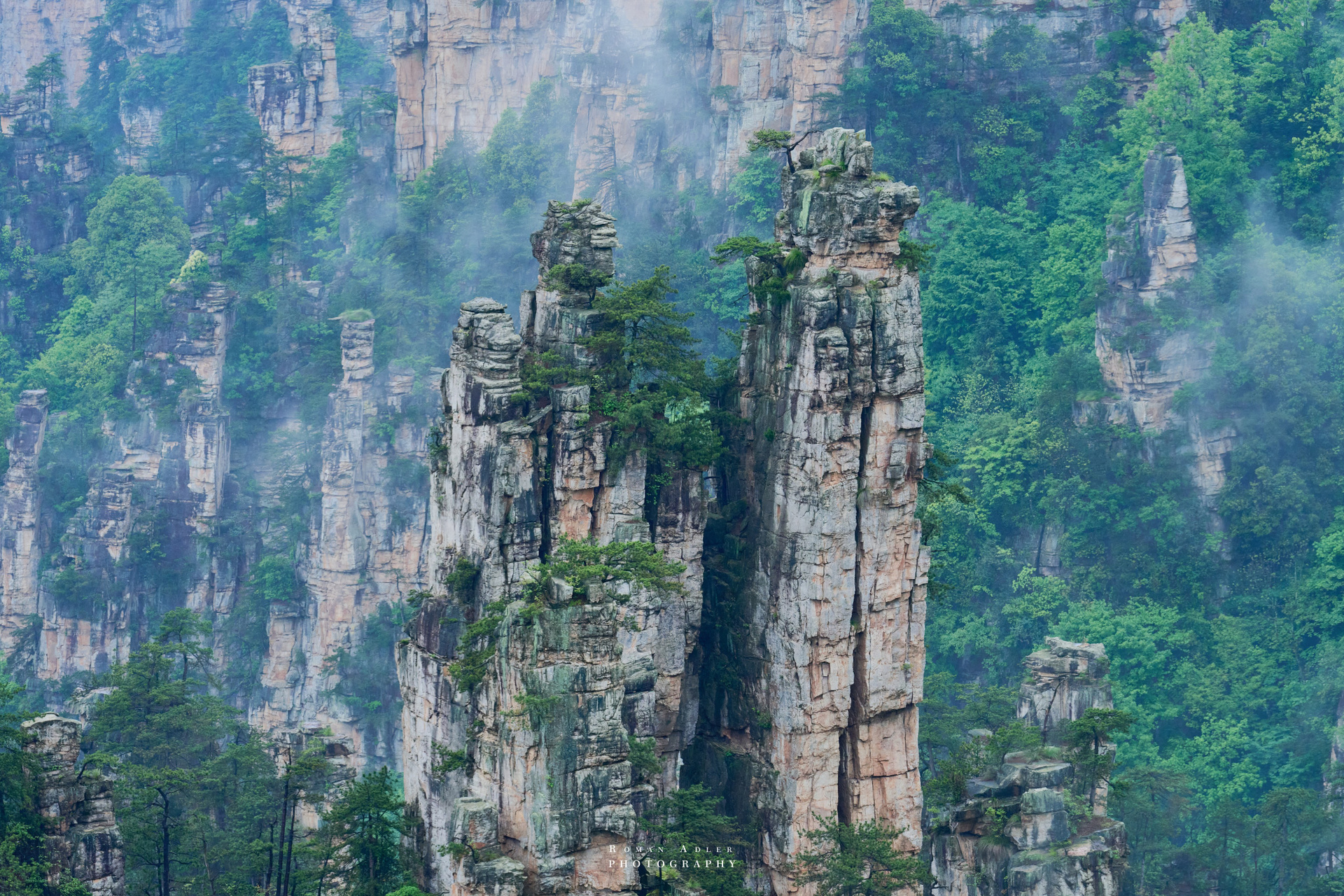
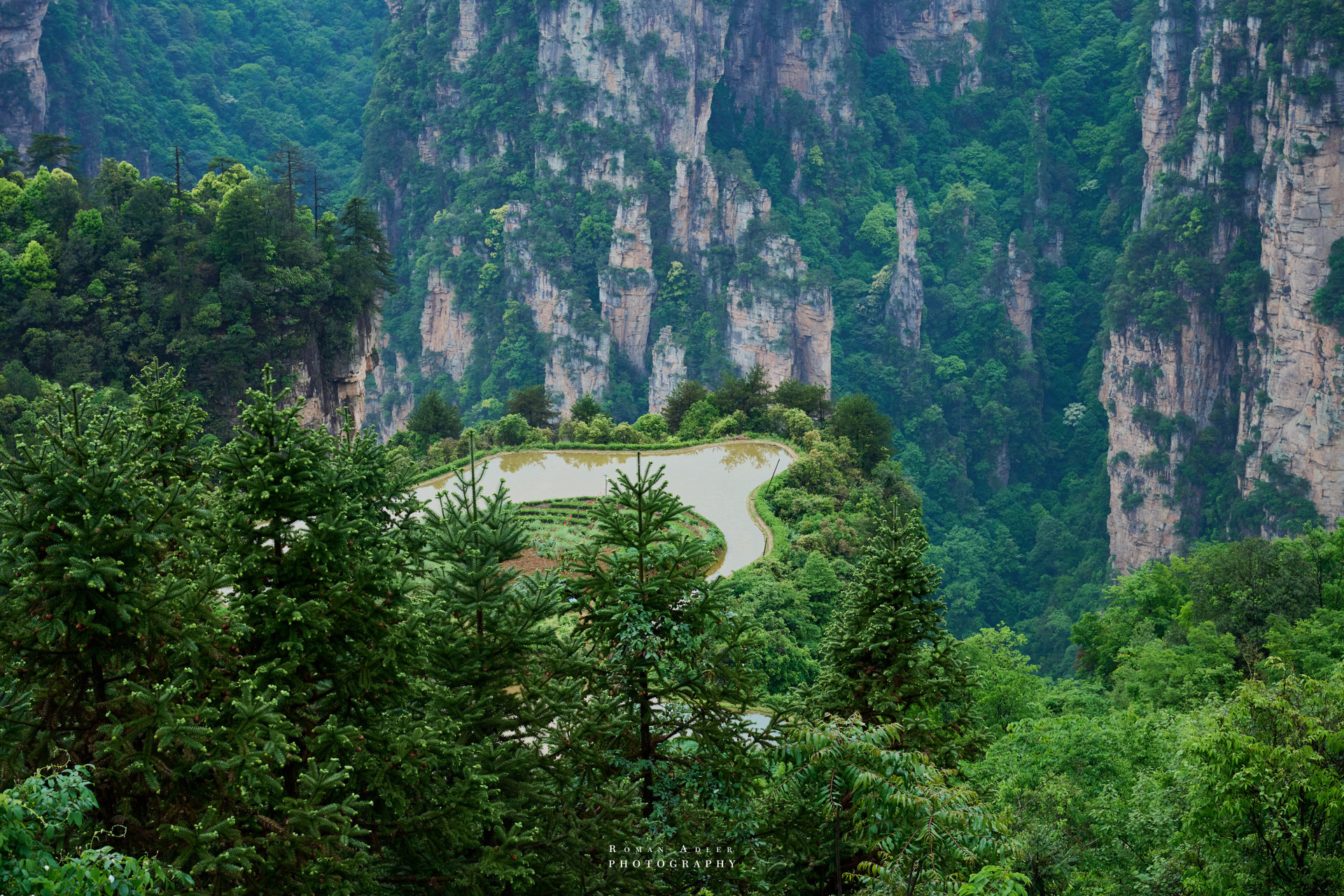
· Работа скульптора-времени: Миллионы лет дожди, ветры и морозы разрушали более мягкие породы, оставляя нетронутыми прочные кварцитовые «иглы». Этот процесс сформировал тот фантастический ландшафт, который мы видим сегодня. Свой современный облик скалы обрели всего 2 миллиона лет назад.
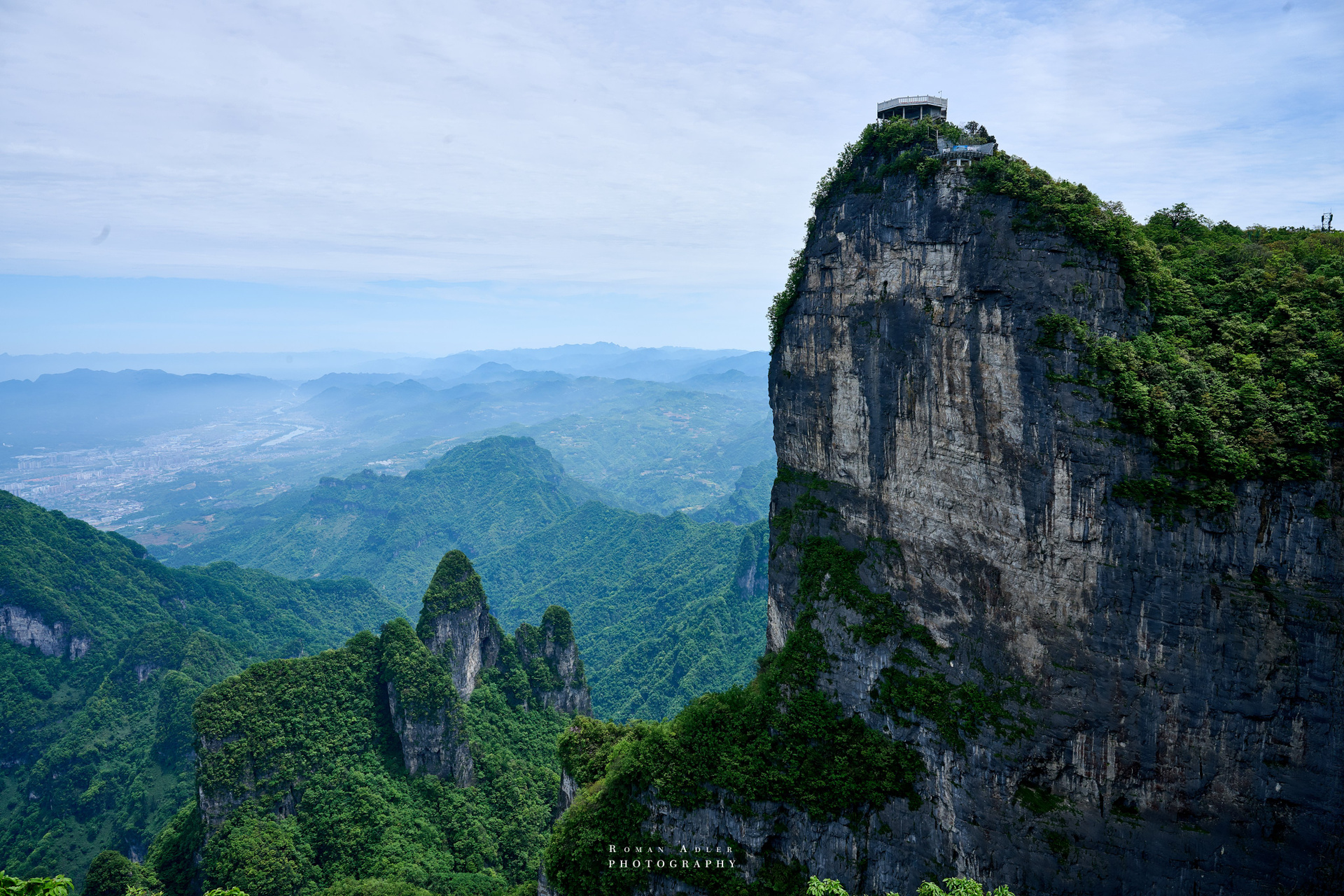
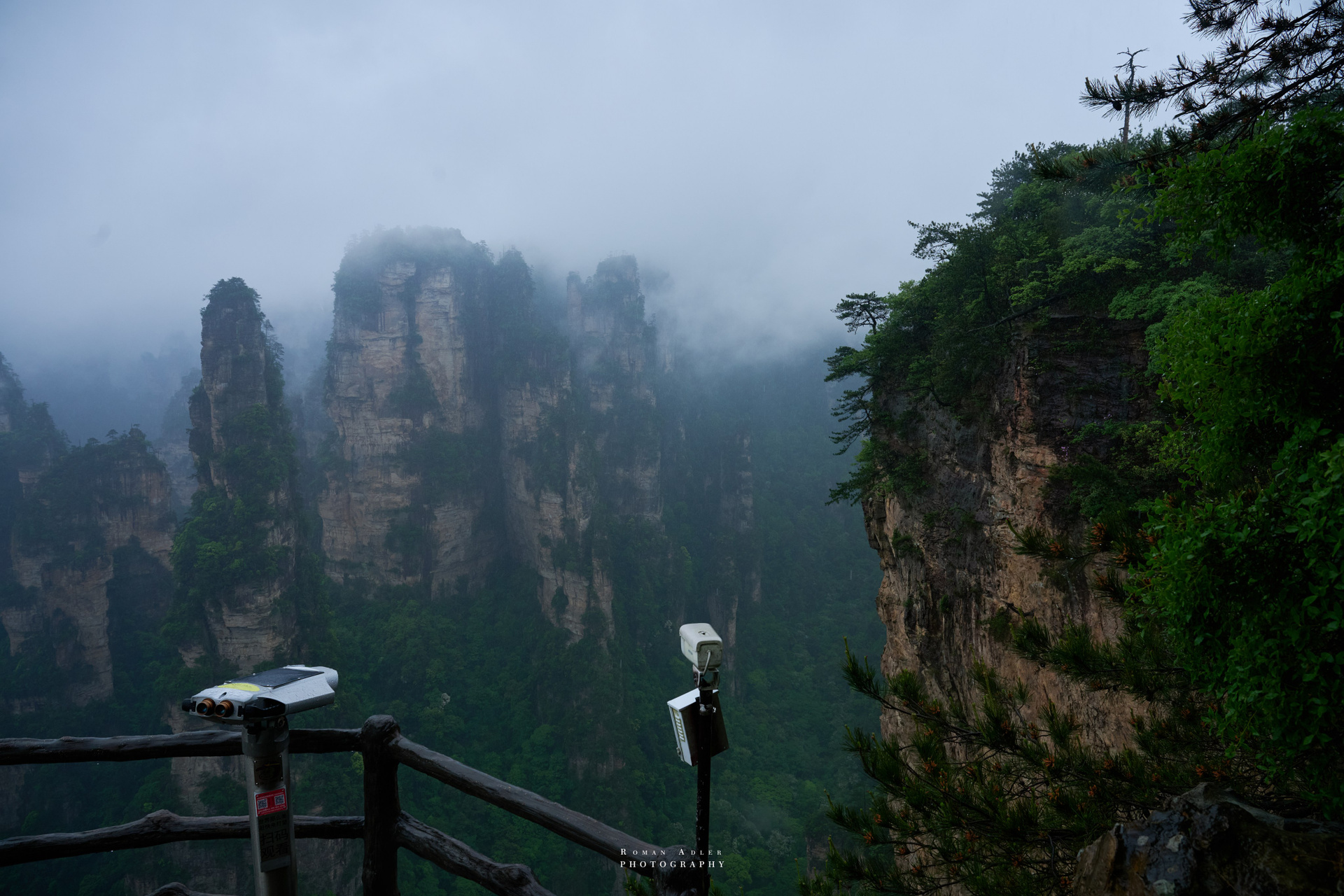
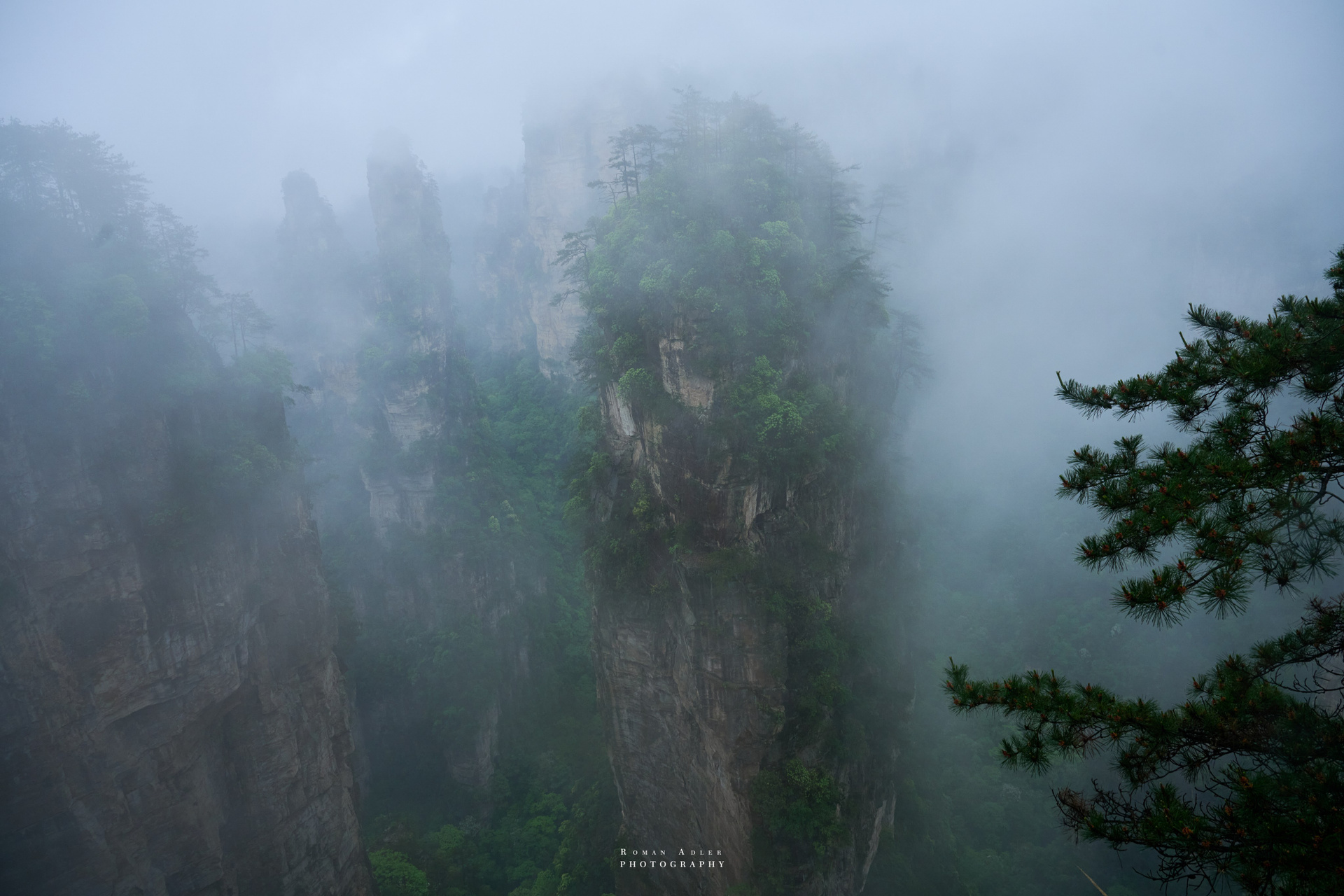
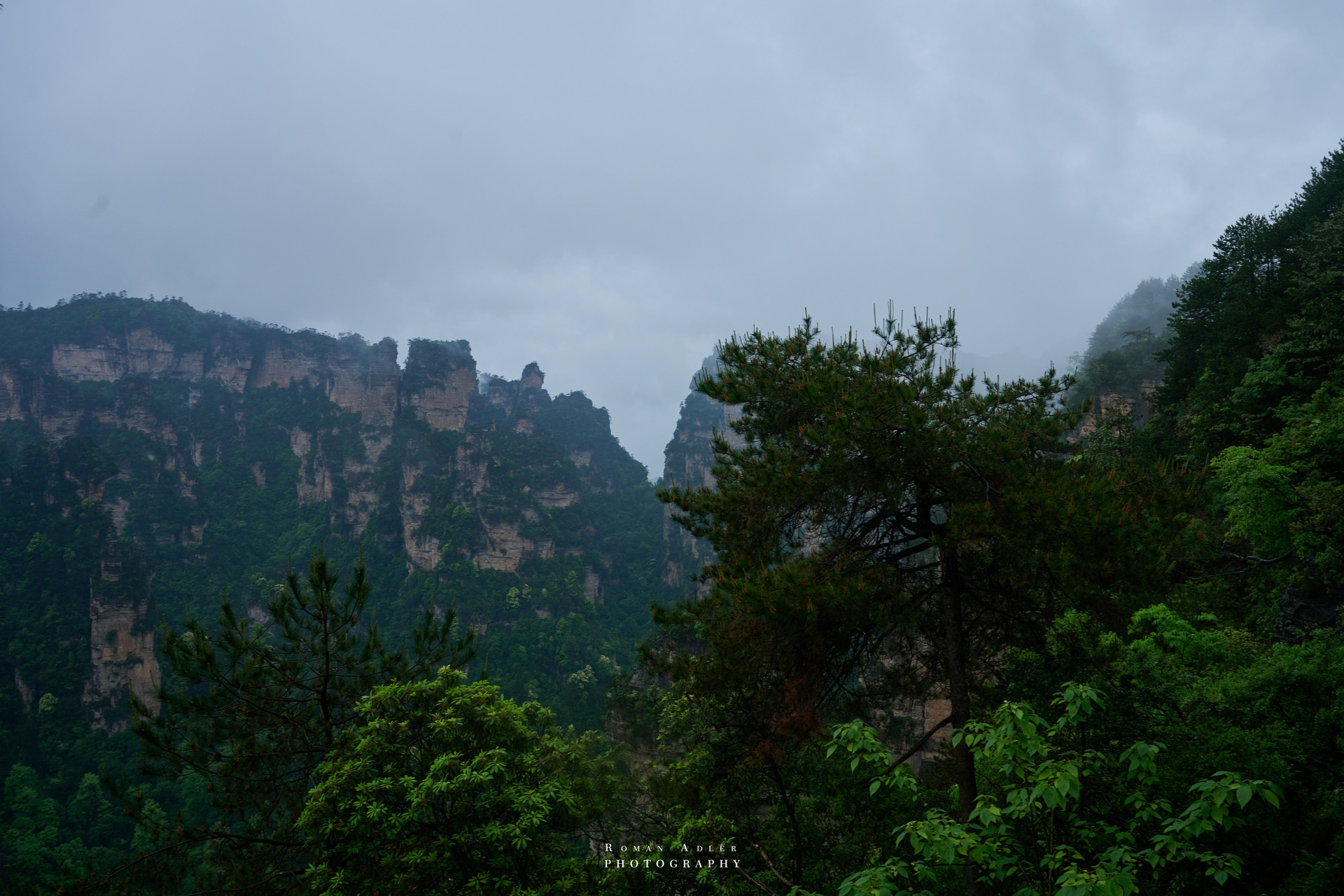
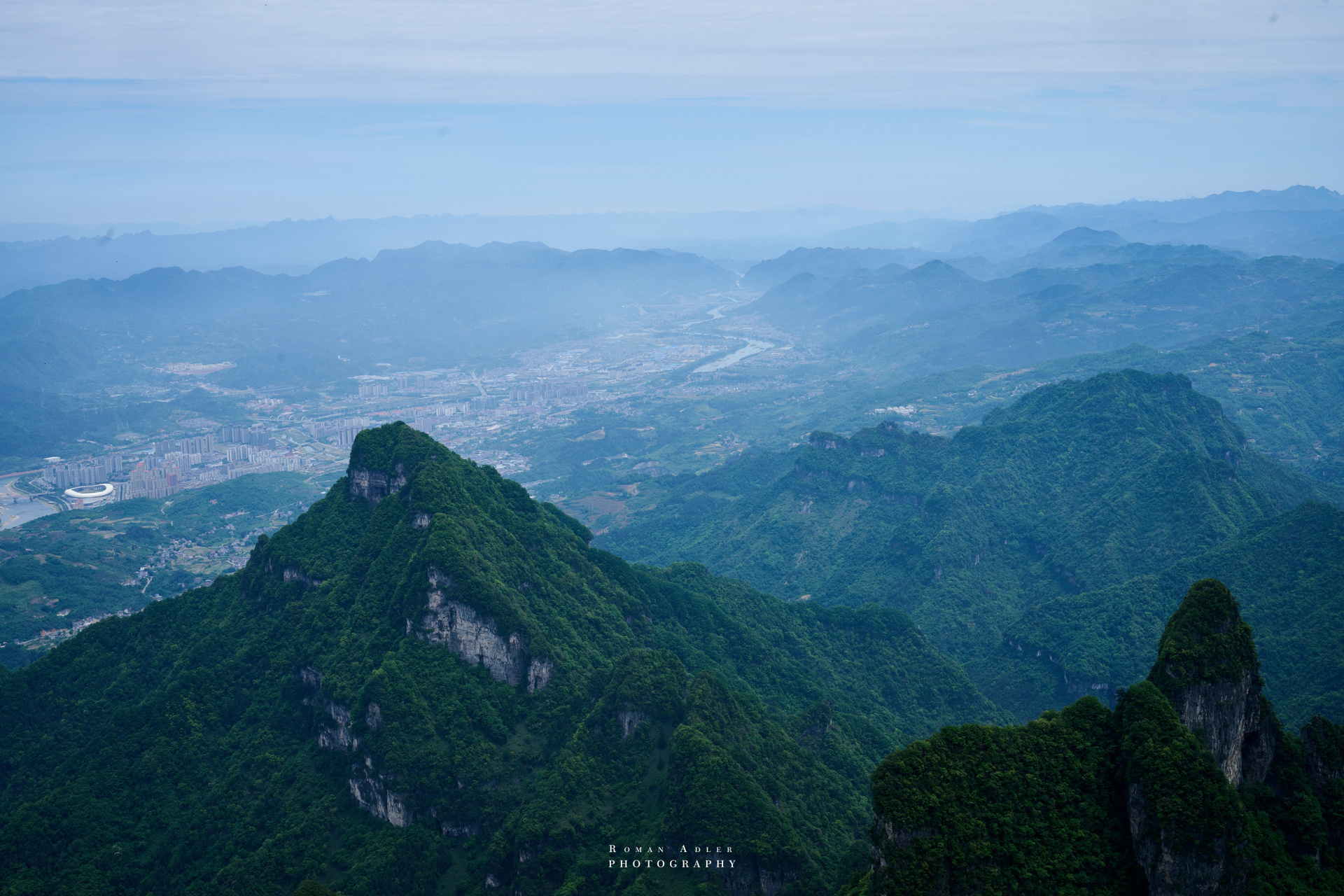
Сегодня на территории парка, охраняемая зона которого составляет около 690 квадратных километров, возвышаются более трех тысяч песчаниковых столбов и пиков. Многие из них достигают высоты 800 метров, а самый высокий — «Пик Косы» (Kunlun Peak) — поднимается на 1290 метров и, по некоторым данным, продолжает расти на полмиллиметра в год.
Глава 3:
В сердце Пандоры: главные чудеса парка
Национальный парк Чжанцзяцзе — это не просто лес, а огромная, хорошо организованная территория с множеством уникальных достопримечательностей, которые можно исследовать днями.
· «Гора Аватар-Аллилуйя» (Avatar Hallelujah Mountain): Это, безусловно, главная «звезда» парка. Пик высотой 1080 метров, который в 2010 году был официально переименован в честь фильма Джеймса Кэмерона. Именно его очертания вдохновили создателей «Аватара» на парящие скалы. У подножия пика даже установлена статуя «Дракона Аватара».
· Лифт Байлун (Bailong Elevator): Внесенный в Книгу рекордов Гиннесса, это самый высокий и самый тяжелый стеклянный лифт в мире. Построенный в 2002 году, он поднимает туристов на высоту 326 метров всего за считанные секунды, предлагая захватывающий вид на каменные колонны сквозь стеклянные стены.
· Стеклянный мост (Zhangjiajie Grand Canyon Glass Bridge): Открытый в 2016 году, этот мост простирается на 430 метров над пропастью глубиной около 300 метров. Прогулка по нему — испытание для самых смелых, но награда за смелость — невероятные панорамы.
Глава 4:
Гора Тяньмэнь — Врата к Небу
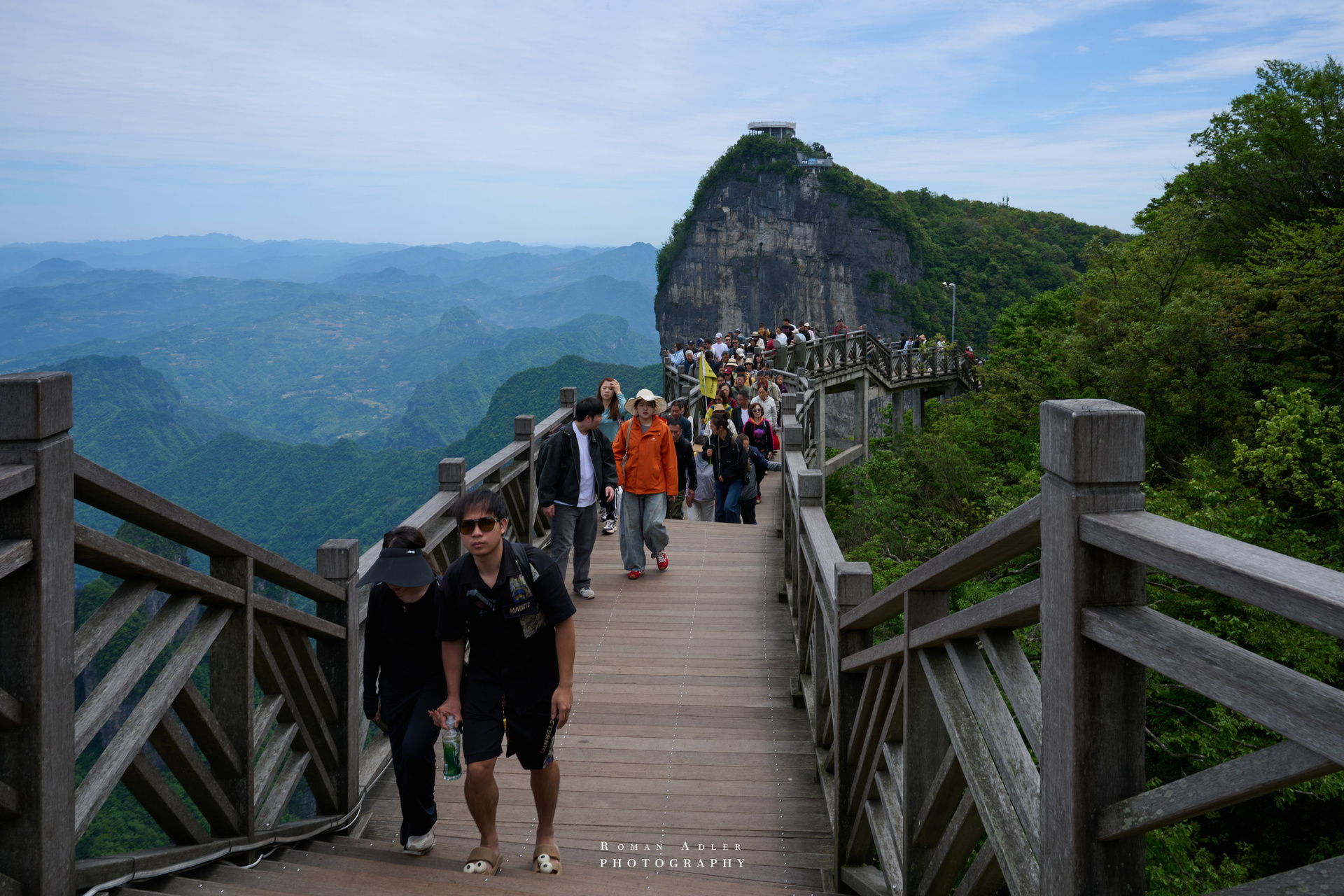
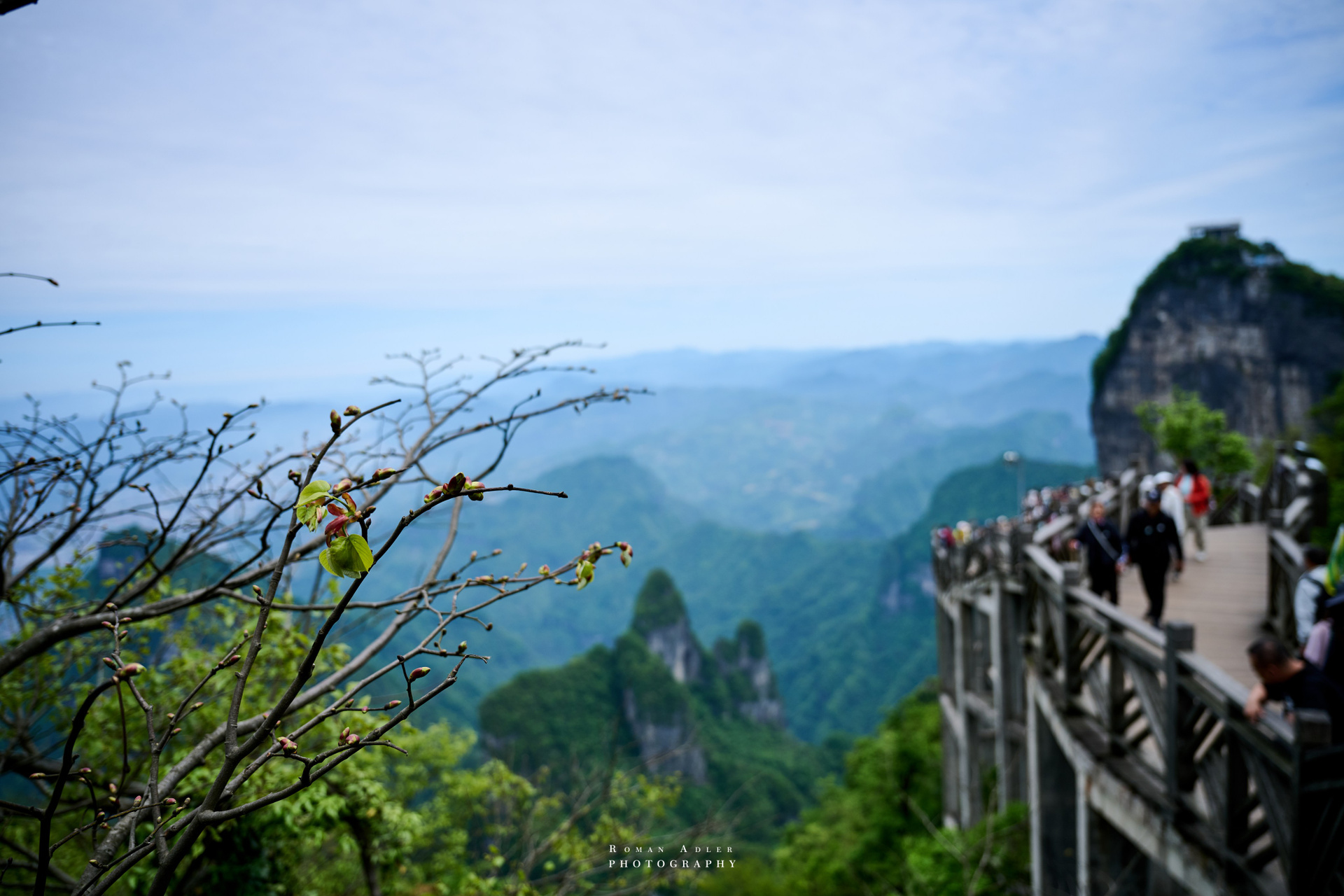
Отдельного внимания заслуживает гора Тяньмэньшань (Tianmen Mountain), расположенная всего в 8 километрах от города. Это самая высокая гора в окрестностях Чжанцзяцзе (высота 1518,6 метра), которую называют «душой Чжанцзяцзе».
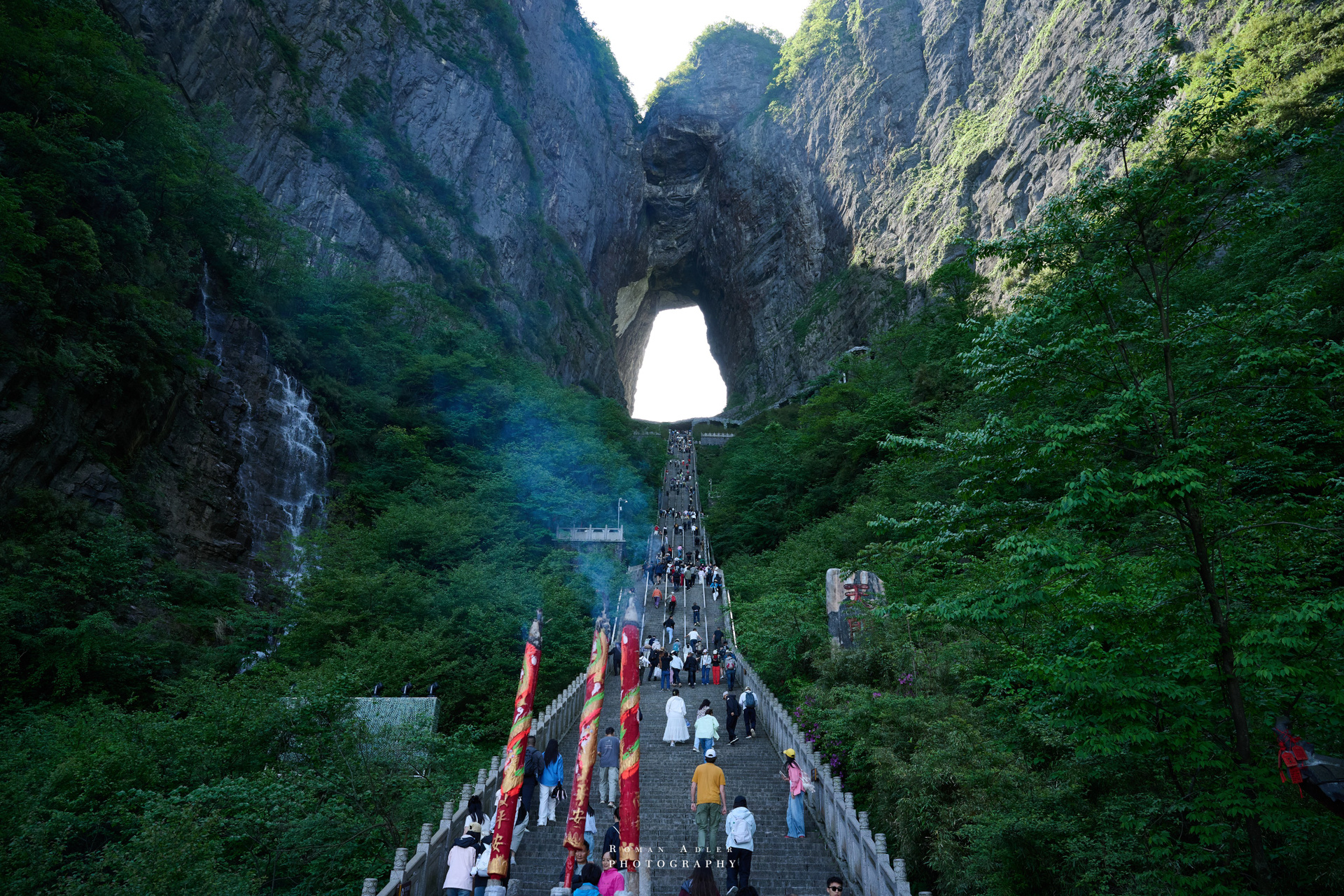
Ее главное чудо — пещера Тяньмэньдун (Tianmen Cave), или «Небесные Врата». История гласит, что в 263 году в скале внезапно образовался гигантский проход. Император Сунь Сю из царства У посчитал это добрым знамением и дал горе нынешнее имя.
Пещера находится на высоте 1300 метров, ее размеры поражают: 131,5 метра в высоту и 57 метров в ширину. Это самый высокогорный в мире天然ный карстовый проход. В 1999 году мировую известность горе принесло событие, когда пилоты-смертники пролетели на самолетах сквозь это «окно» в скале, а трансляцию смотрели до 8 миллиардов человек.
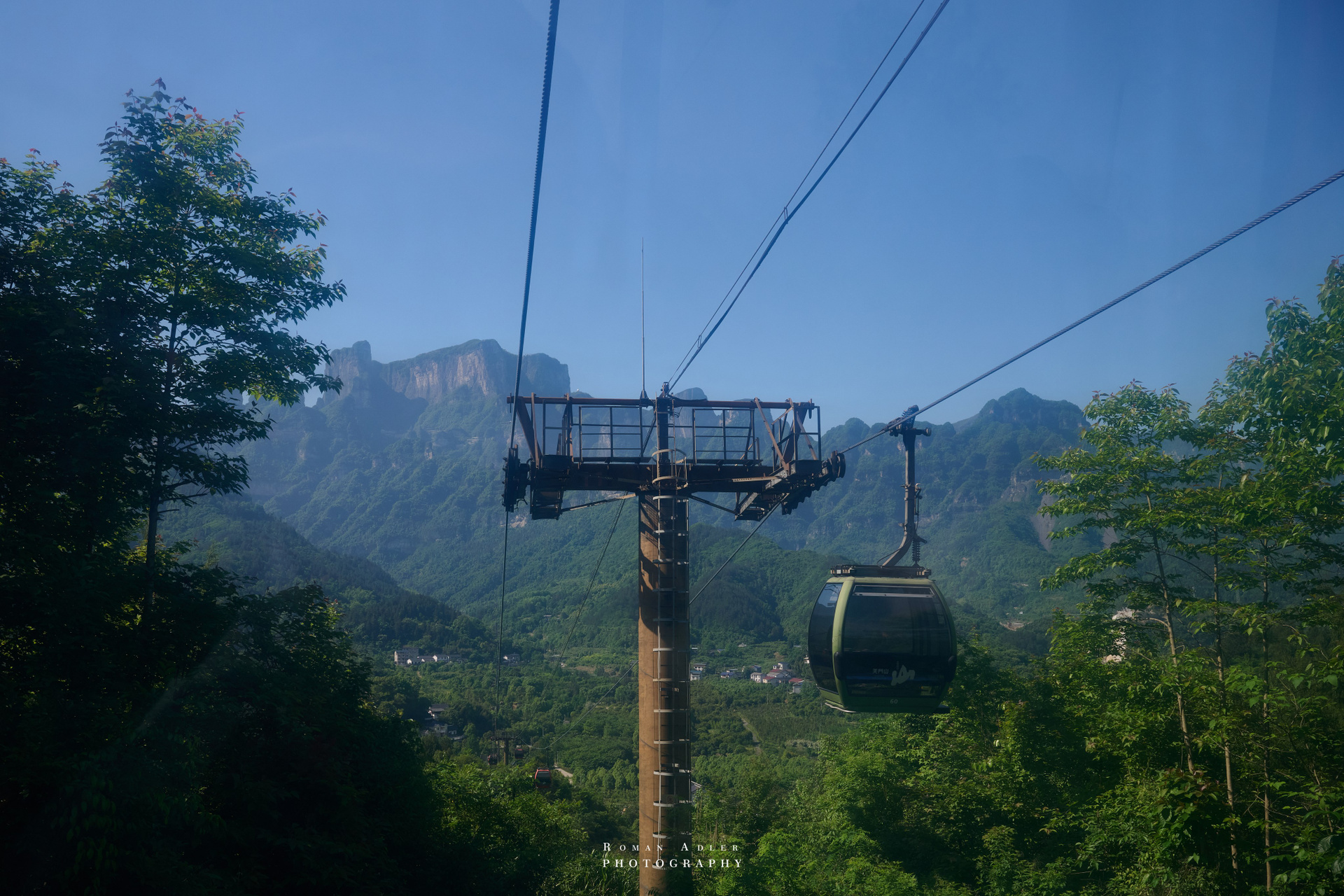
Попасть на вершину можно двумя эпичными способами:
1. По канатной дороге длиной 7455 метров — одной из самых длинных в мире.
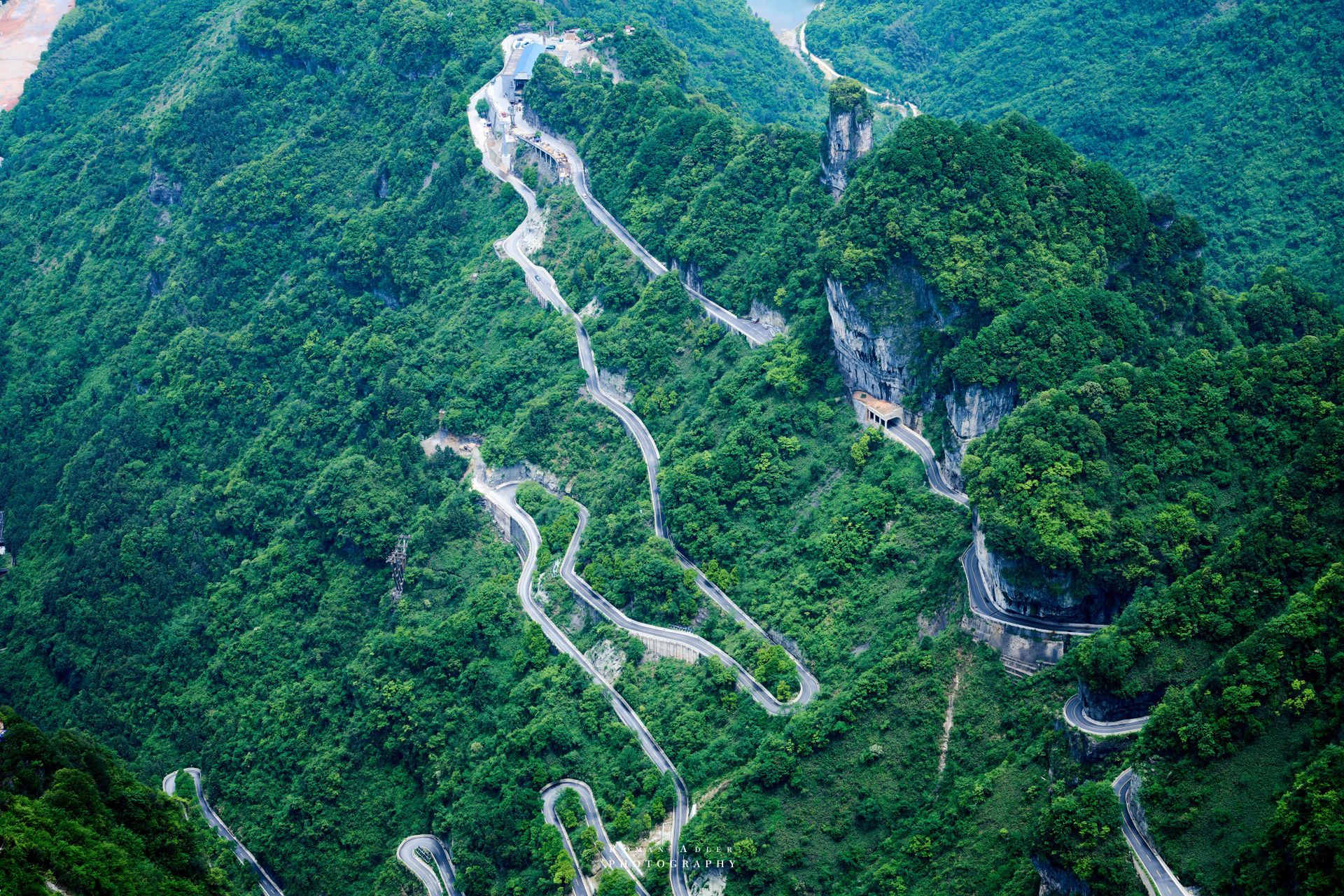
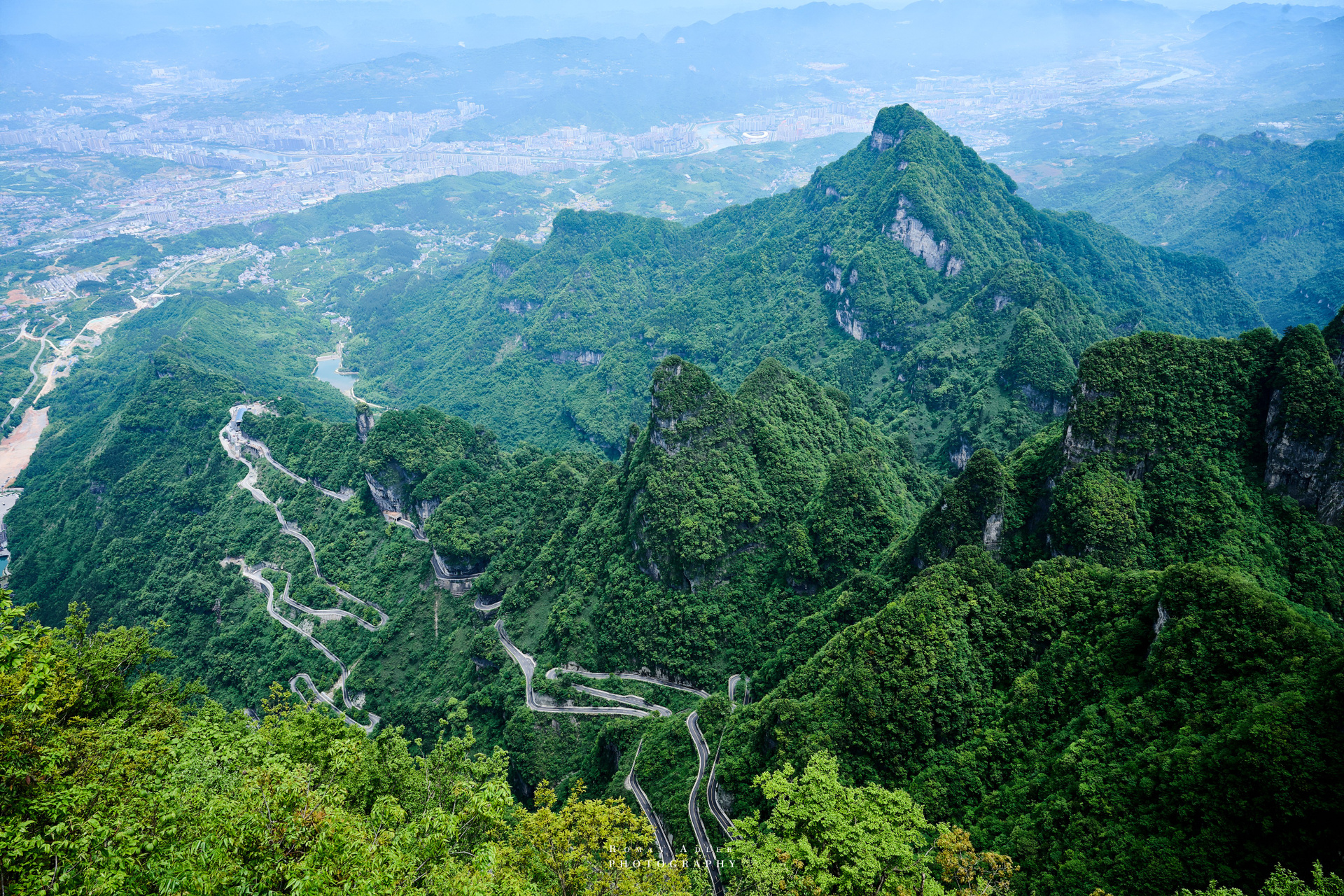
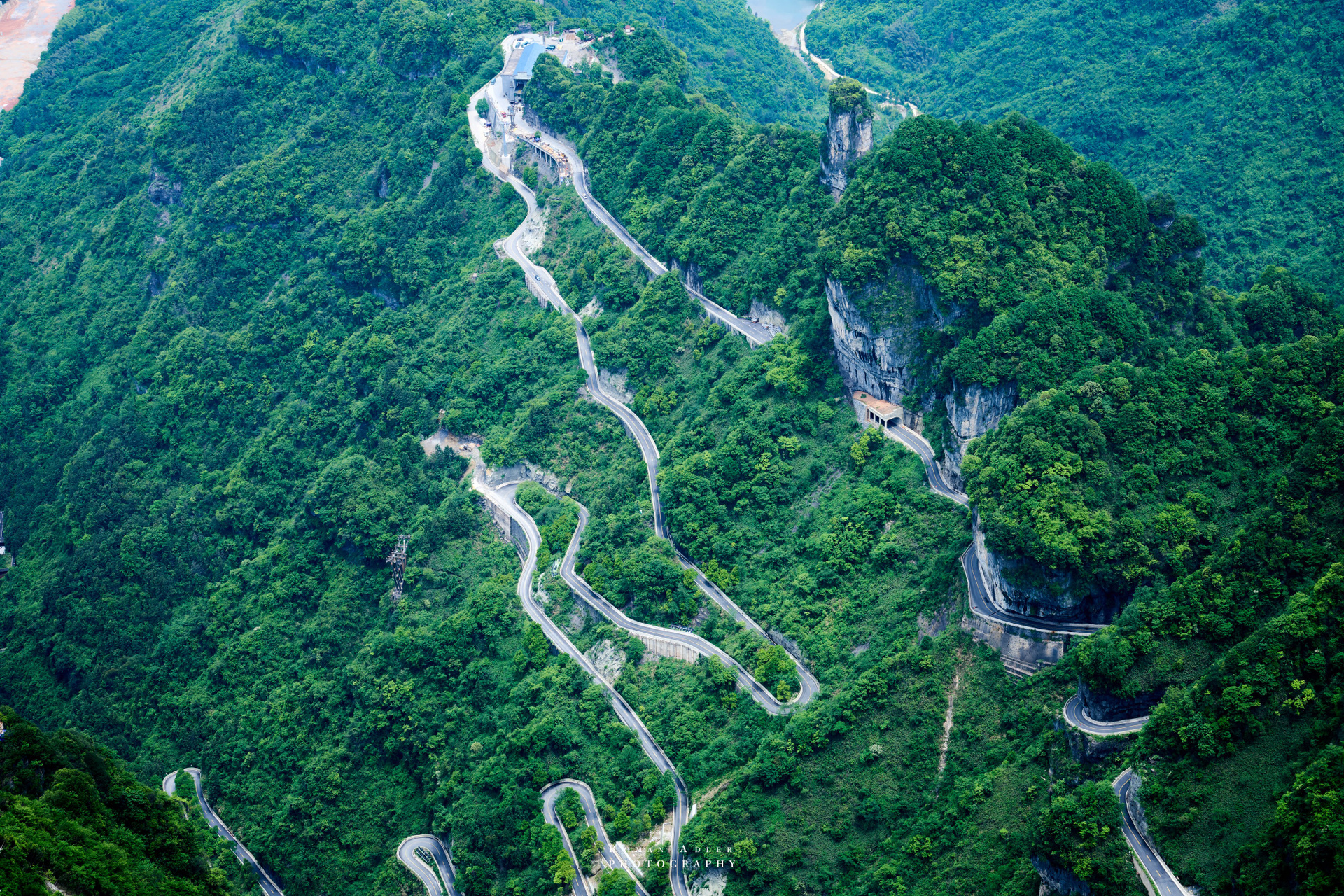
2. По «Дороге, ведущей к Небу» (Tongtian Avenue) — серпантину длиной 11 километров с 99 крутыми поворотами.
Глава 5:
Культурный код и легенды
Чжанцзяцзе — это не только геология, но и глубокая духовная культура.
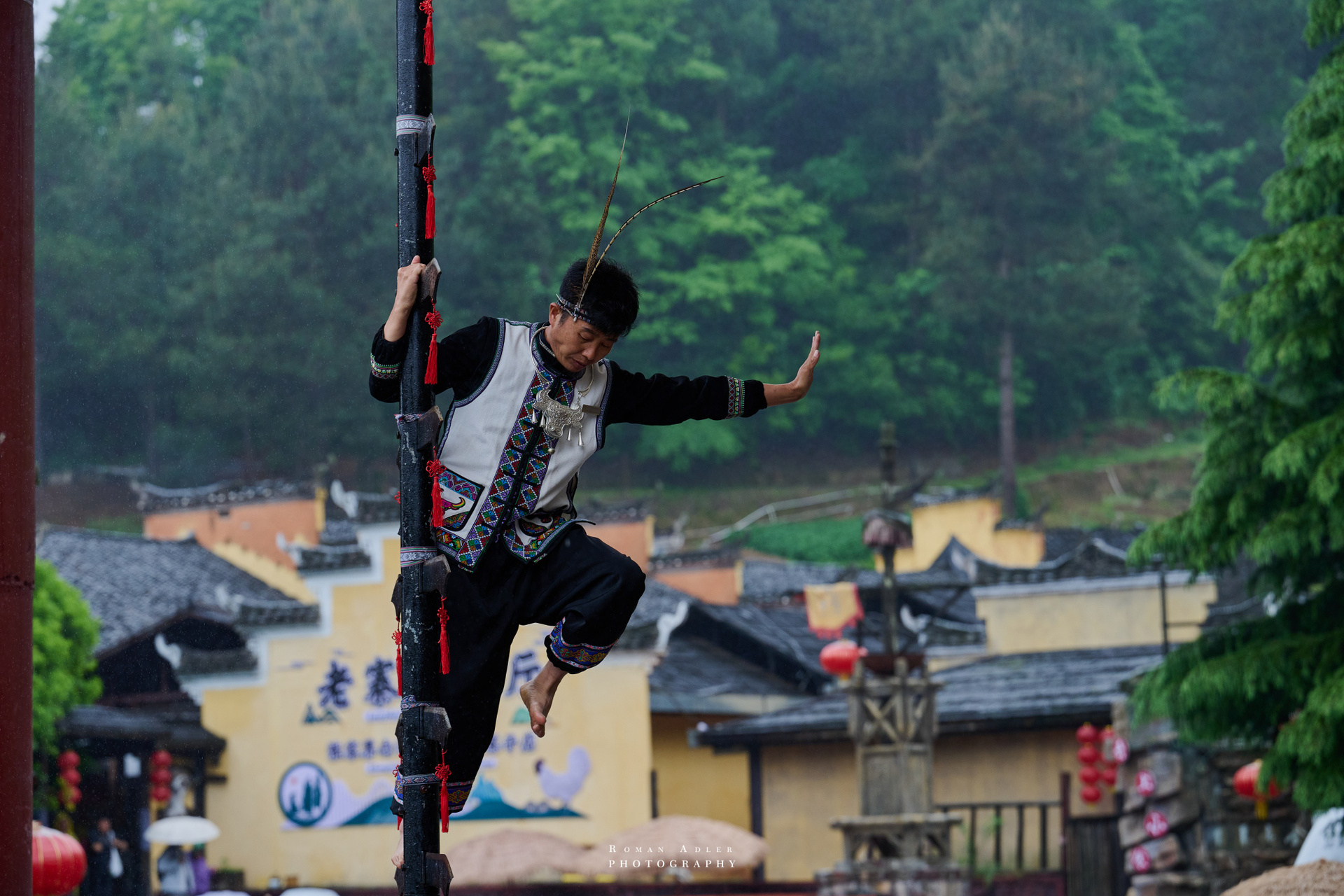
· Священная земля: Для коренных народов туцзя (Tujia) и мяо (Miao) эти горы всегда были священными. Они верили, что здесь обитают духи предков и могущественные драконы.
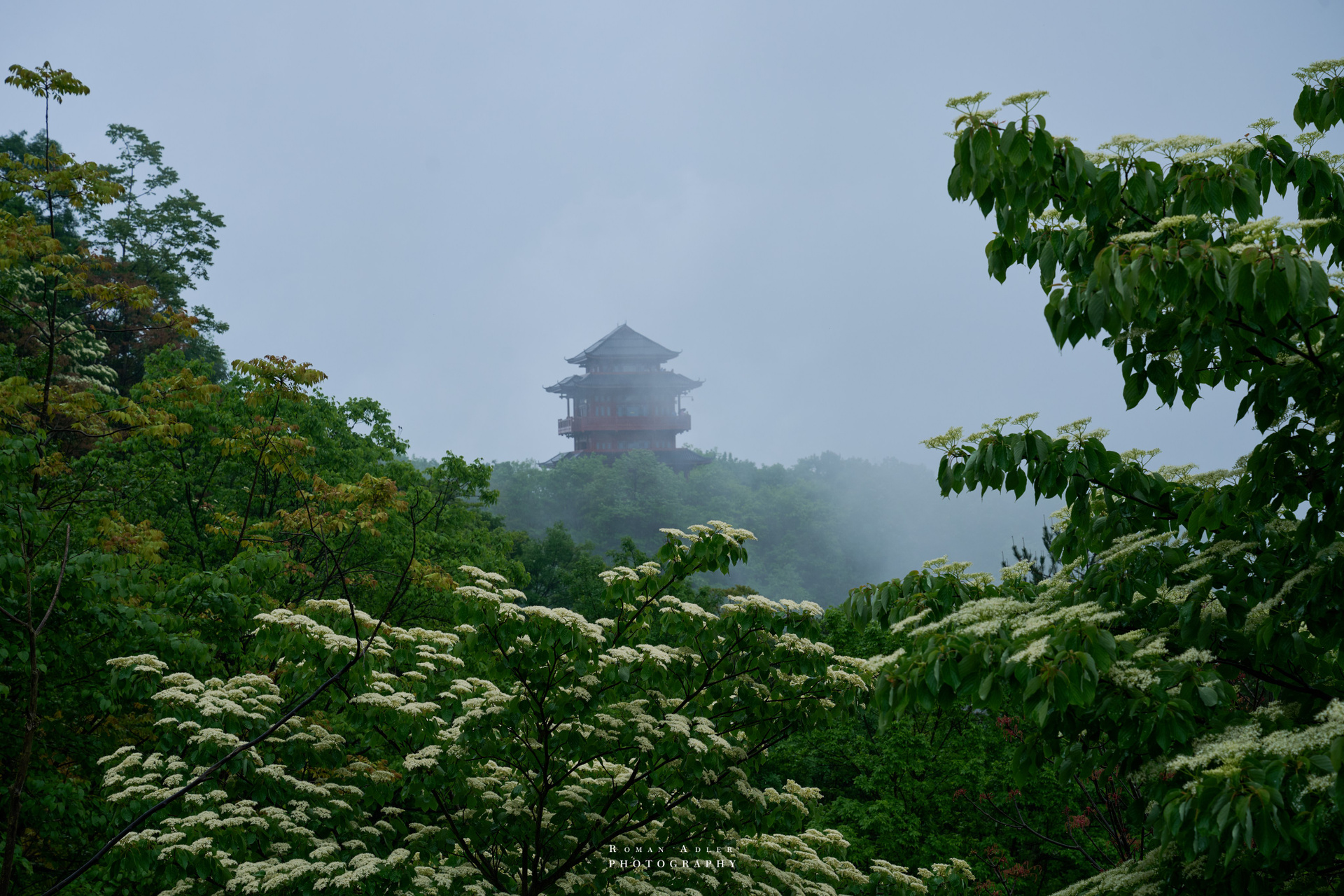
· Обитель бессмертных: С VIII века сюда приходили даосские монахи в поисках эликсира бессмертия. На вершине горы Тяньмэнь они возвели храм Тяньмэньшань (Tianmenshan Temple), который, будучи неоднократно разрушен и восстановлен, стоит здесь уже более тысячи лет. Знаменитый поэт эпохи Тан Ли Бо называл эти места «землей бессмертных».
Глава 6:
Путеводитель: как, когда и сколько
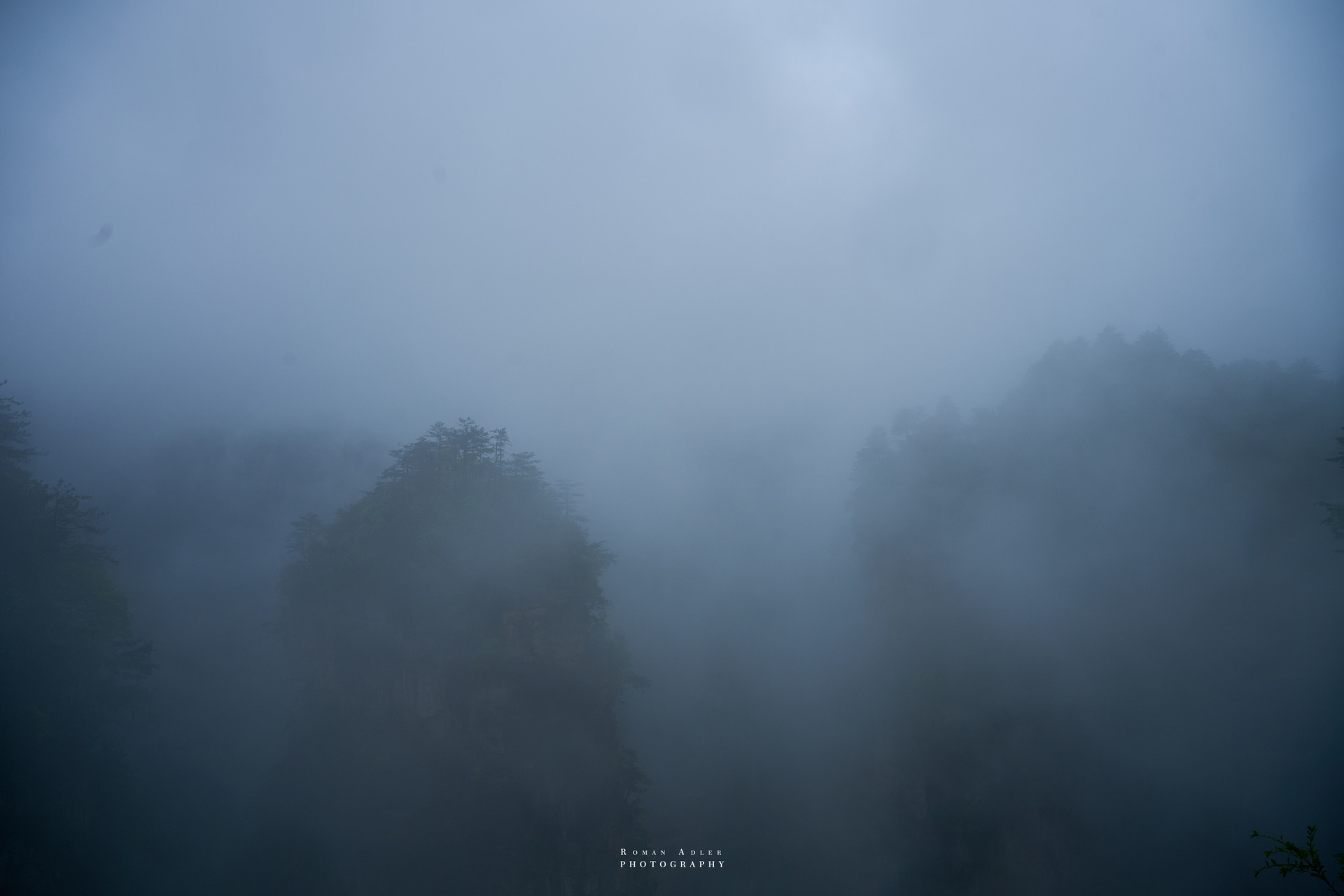
· Когда ехать: Лучшее время — весна и осень, когда погода комфортная, а видимость хорошая. Зимой горы окутаны мистическим туманом, но это может помешать обзору.
· Билеты: Билеты в парк продаются сразу на четыре дня. Стоимость комбинированного билета может составлять около 210 юаней (~2400 руб.), но канатная дорога и лифт оплачиваются отдельно. Билеты оформляются на загранпаспорт.
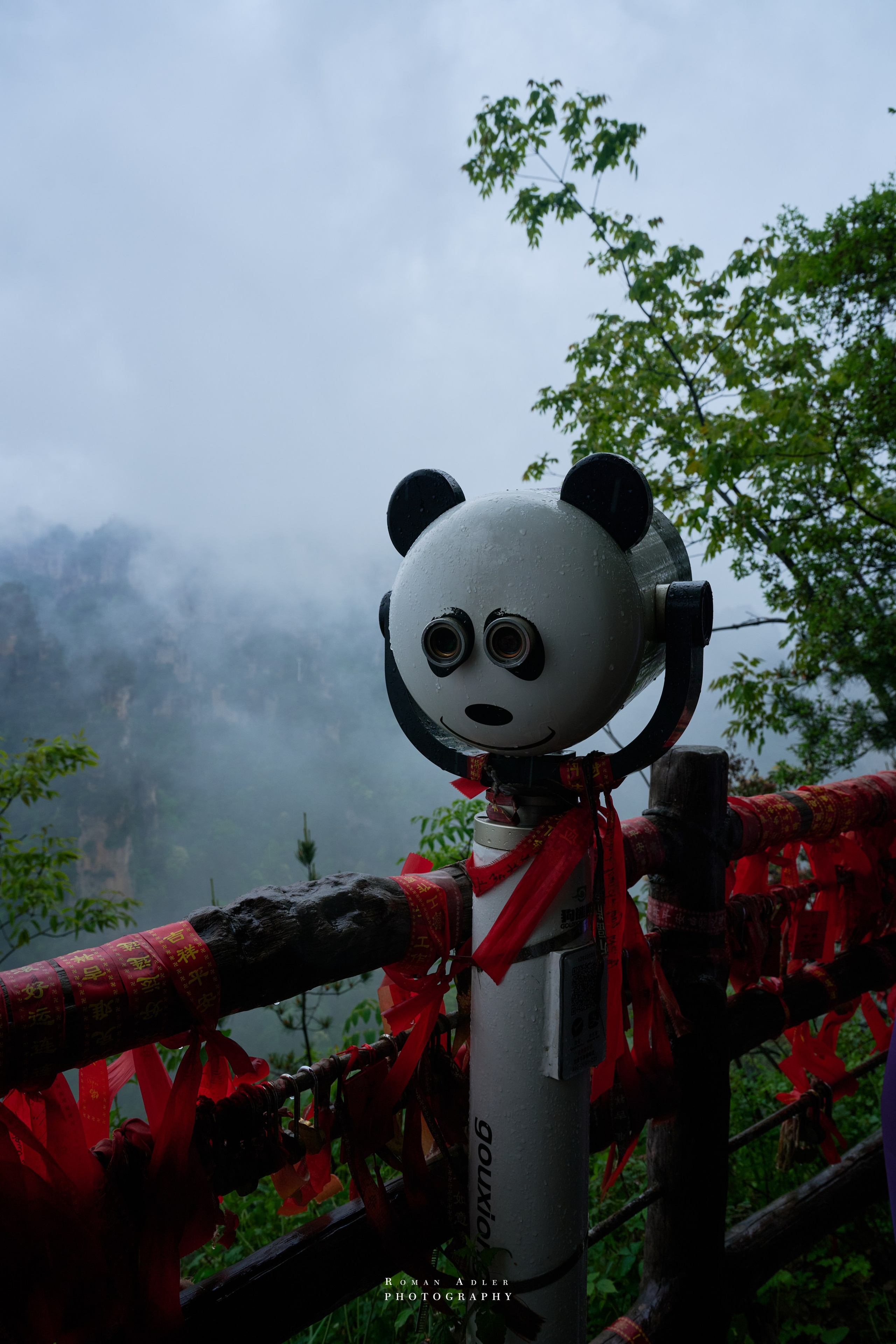
· Совет по маршруту: В парке продумана логистика. Вы можете выбрать маршрут А (через канатную дорогу) или маршрут Б (через лифт Байлун). Навигация удобная, а таблички часто дублируются на русском языке.
Эпилог:
Возвращение из другого мира
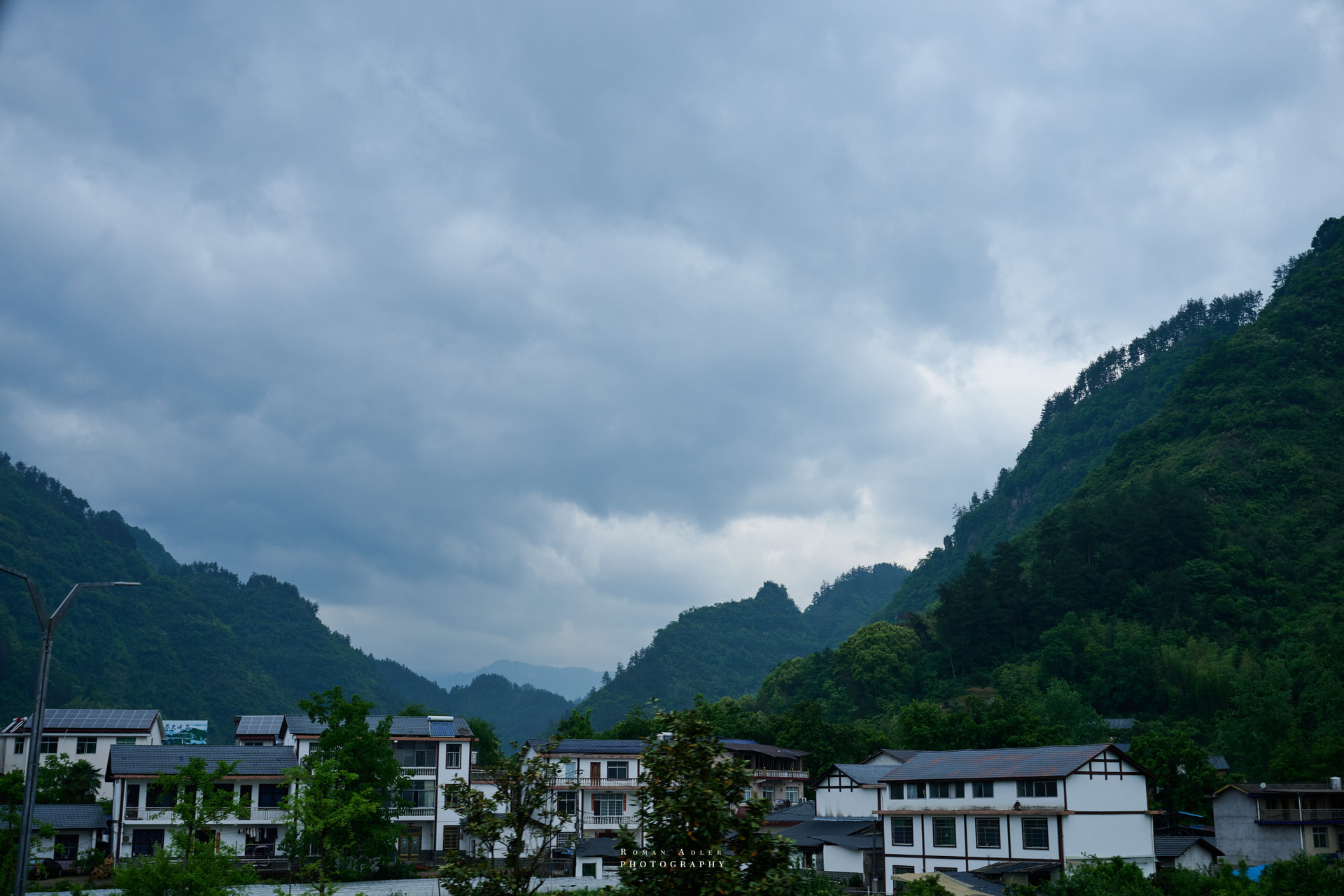
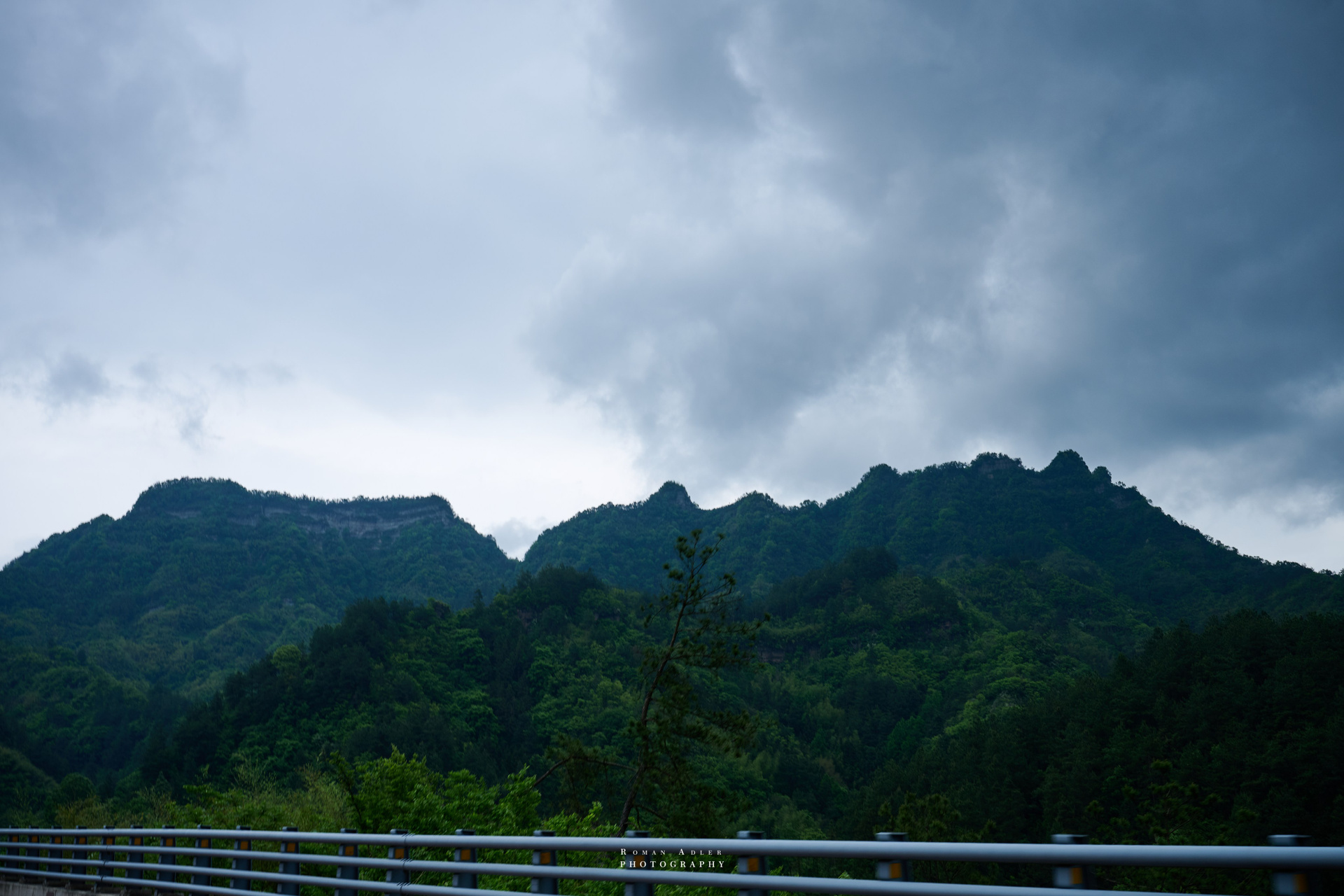
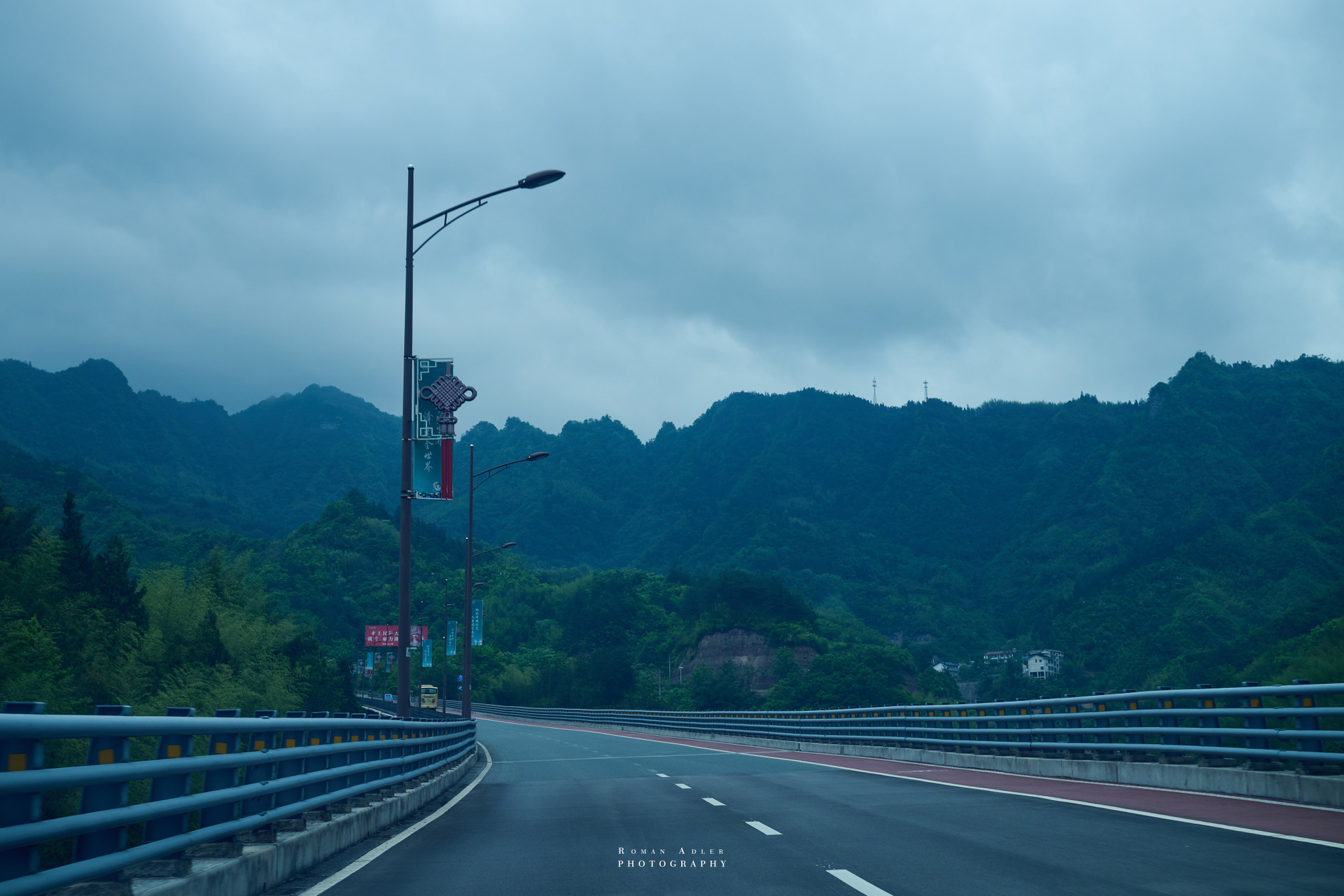
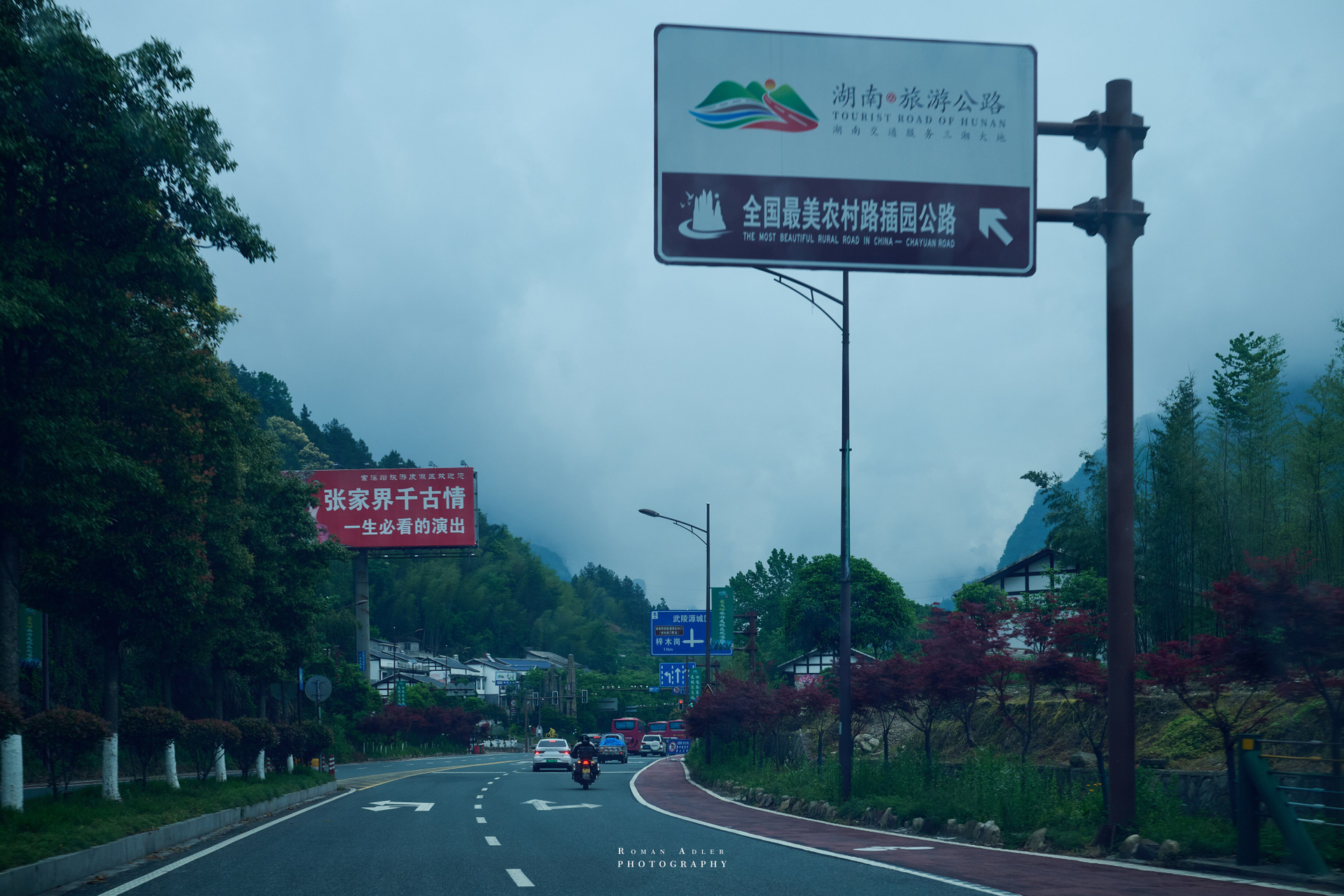
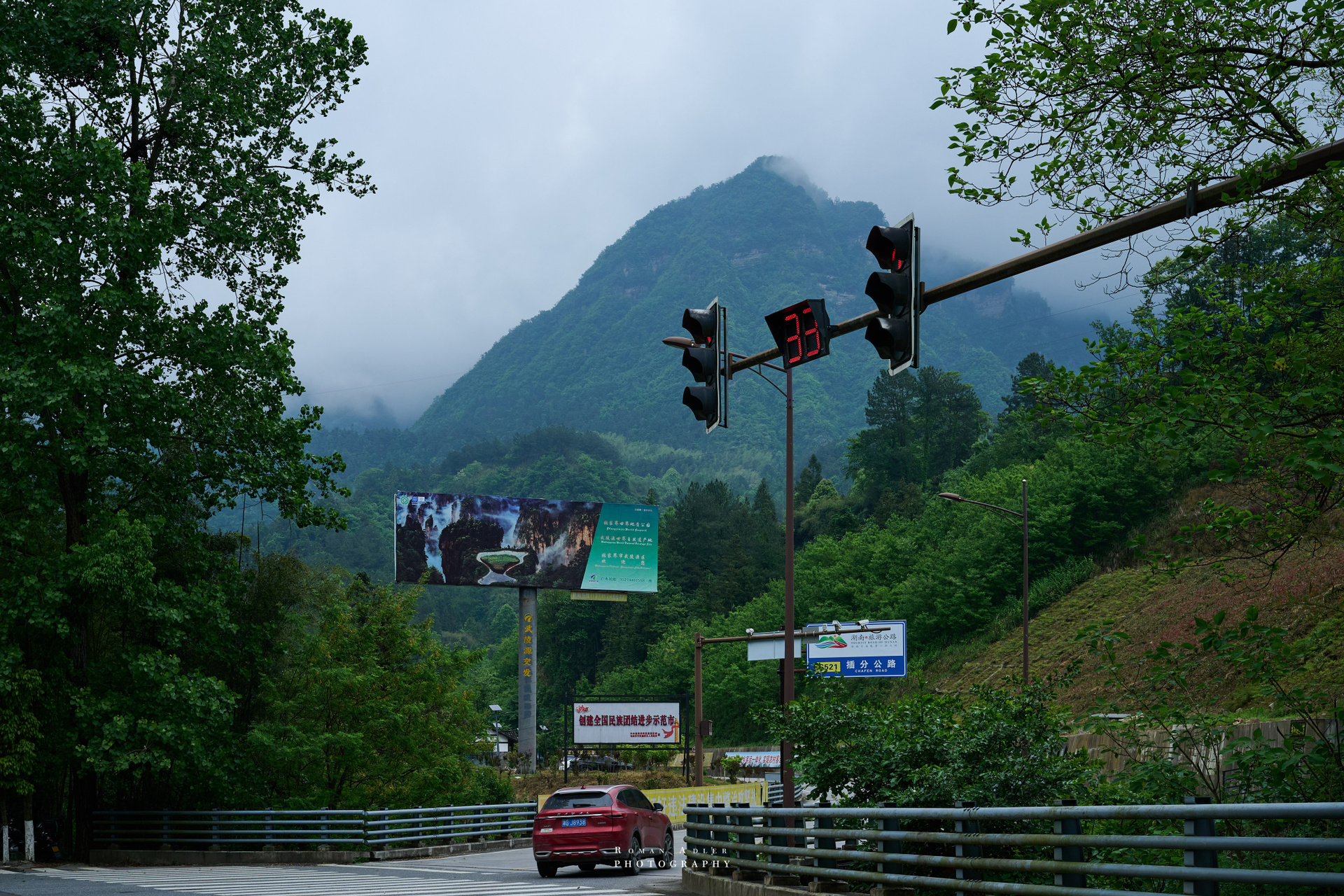
Чжанцзяцзе — это место, которое меняет восприятие реальности. Здесь понимаешь, что природа — самый гениальный архитектор и художник. Прогулка среди каменных исполинов, парящих в тумане, оставляет чувство, будто ты действительно побывал на другой планете. И даже когда вы вернетесь домой, образ этих гор, пронзающих небо, надолго останется с вами.
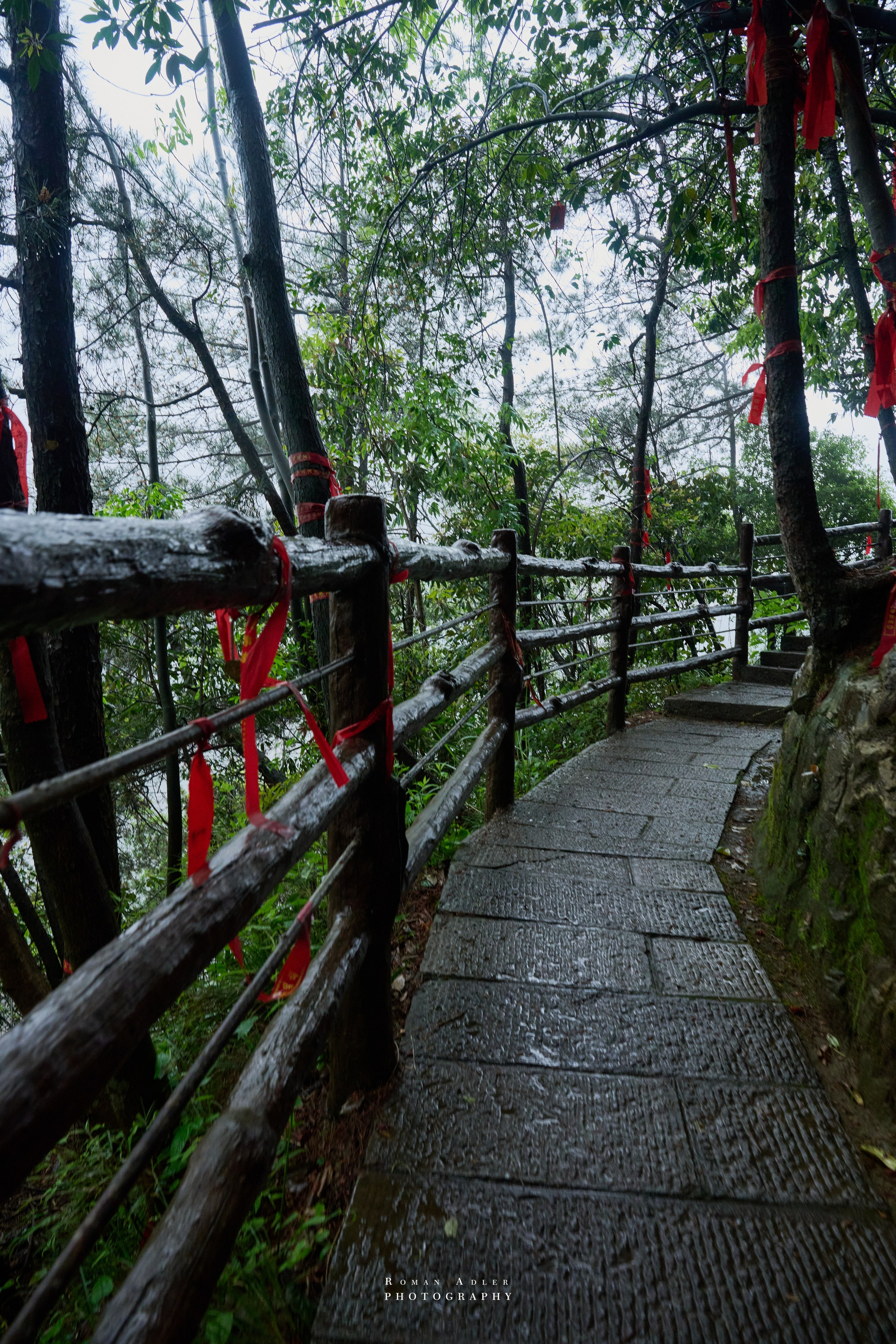
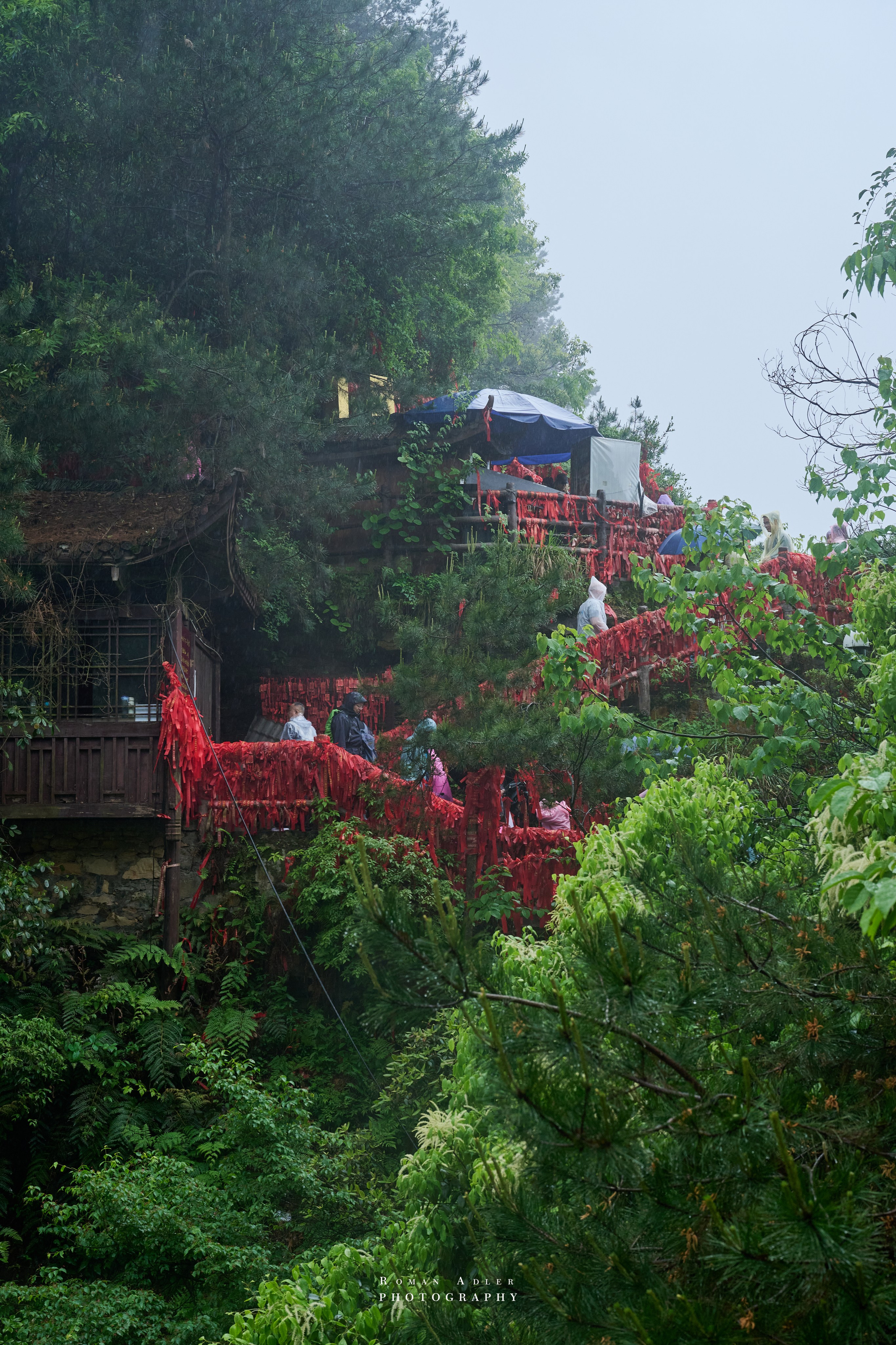
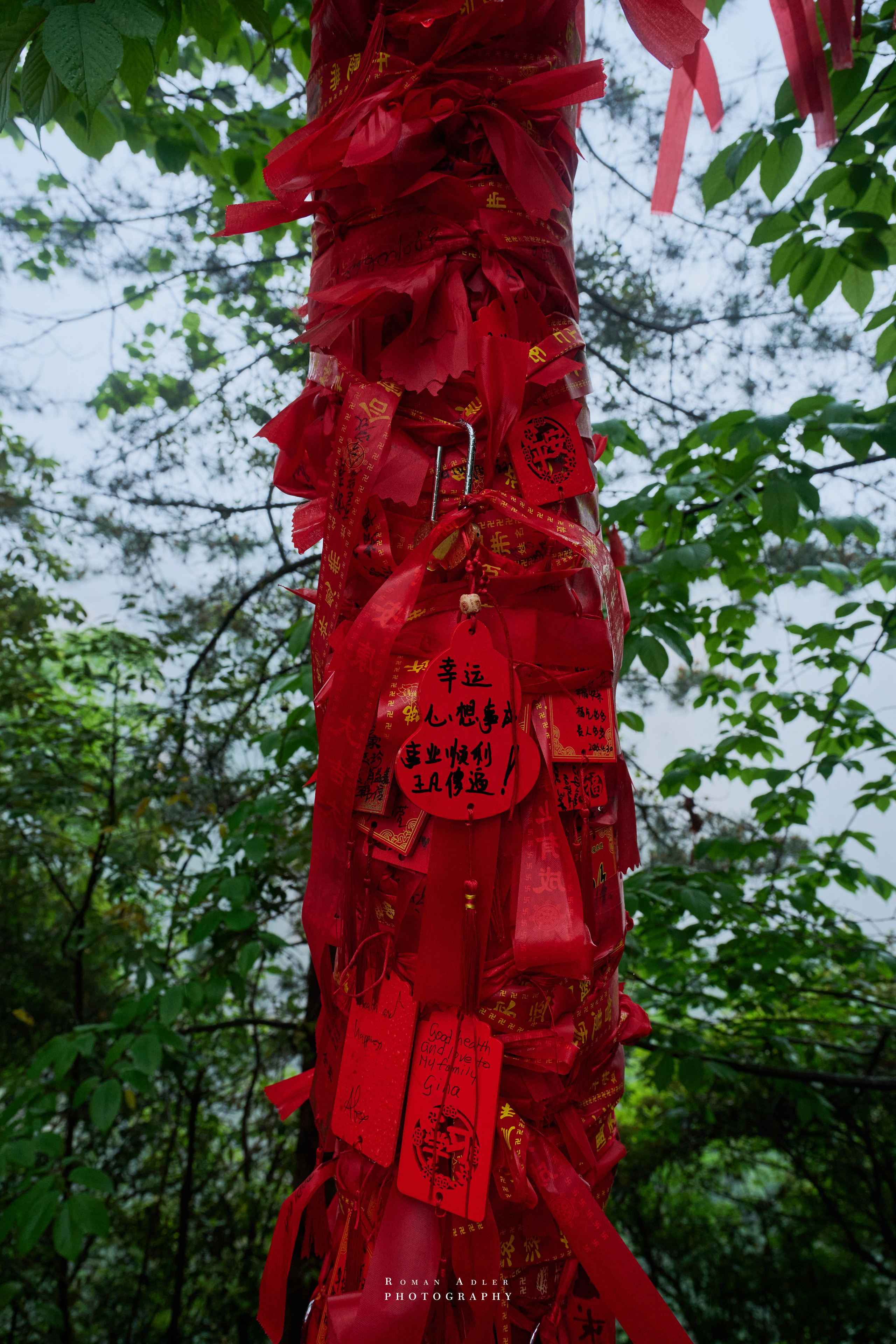
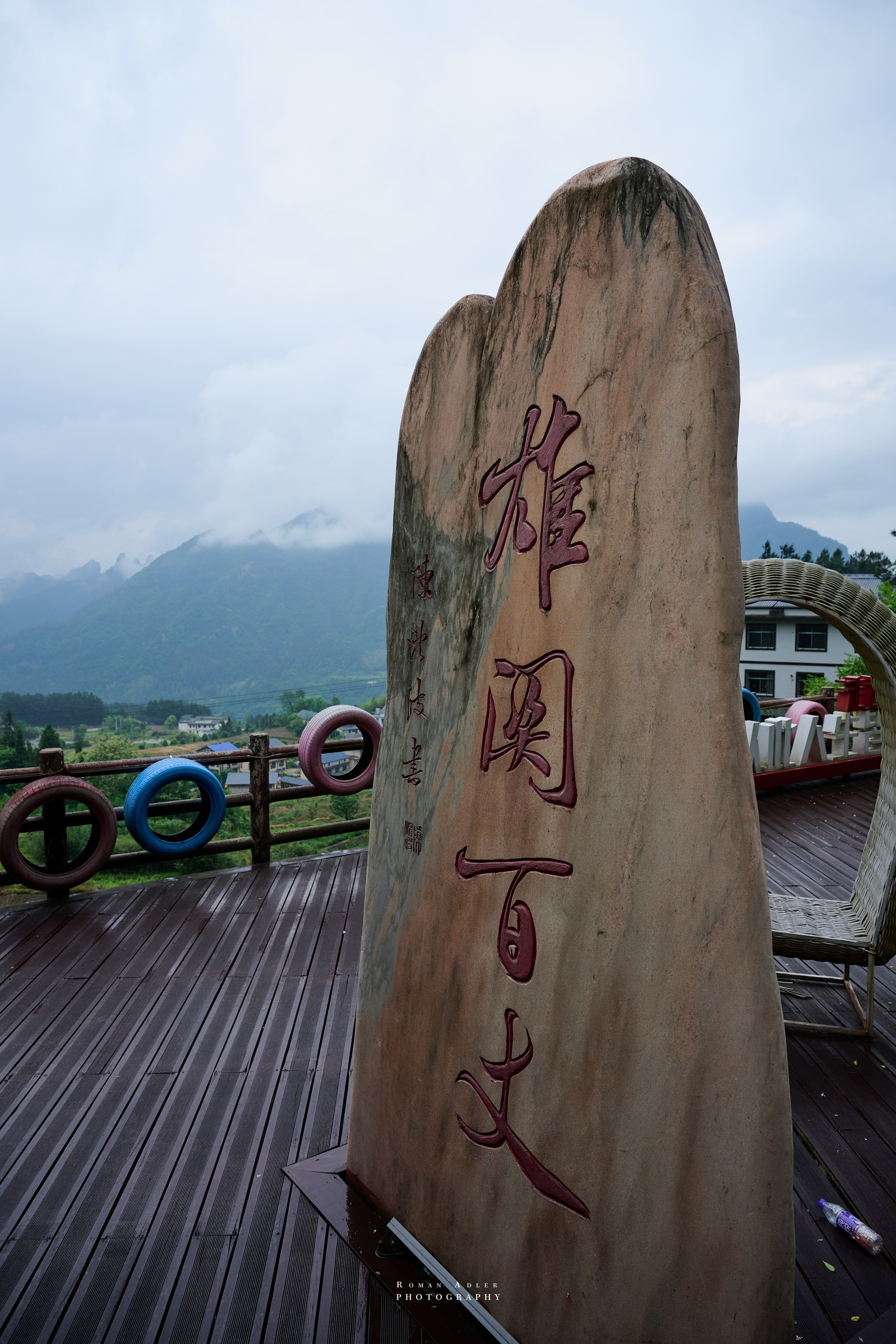
Фотографии не передают и десятой доли того величия, которое открывается вживую. Но мы попытались запечатлеть самую суть Чжанцзяцзе — каждый кадр дышит историей, туманом и легендами.
🌄 Переходите в мою фотогалерею, чтобы увидеть парящие пики, Небесные Врата, ночное волшебство Театра лисы и древние улочки Даюнфучэна. Пусть эти снимки станут для вас окном в мир, где реальность встречается с мифом.
Желаю вам приятного просмотра и настоящего погружения в историю этой удивительной части планеты — земли, которую китайцы называют «раем на земле».