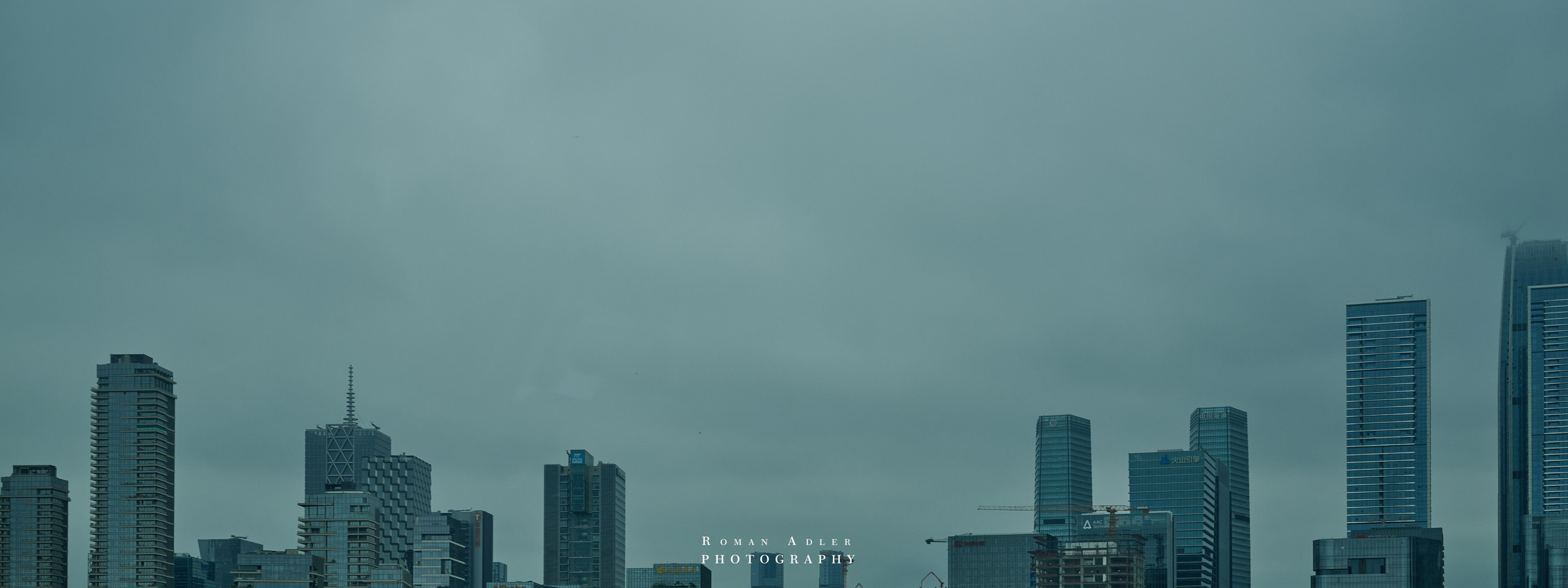
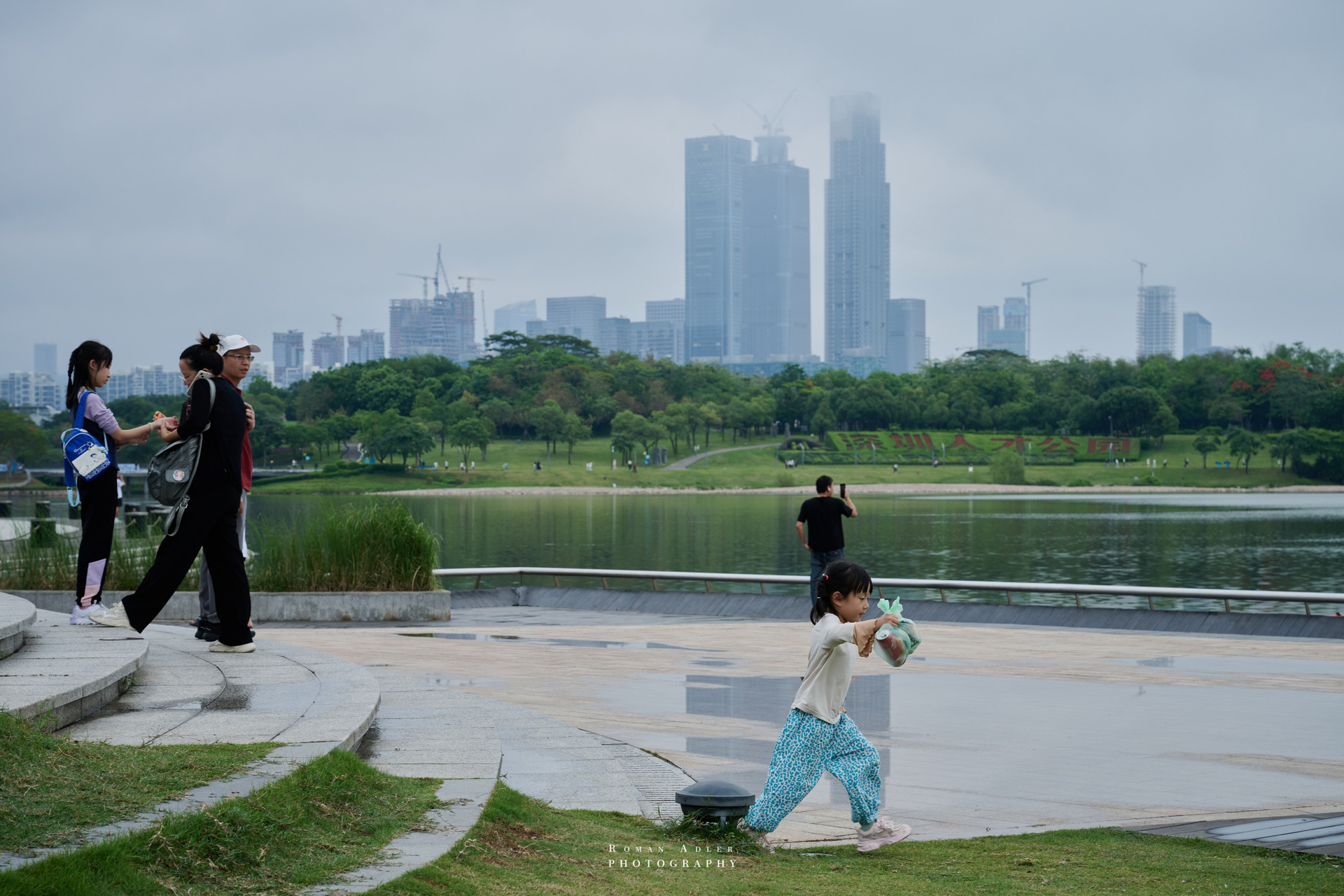
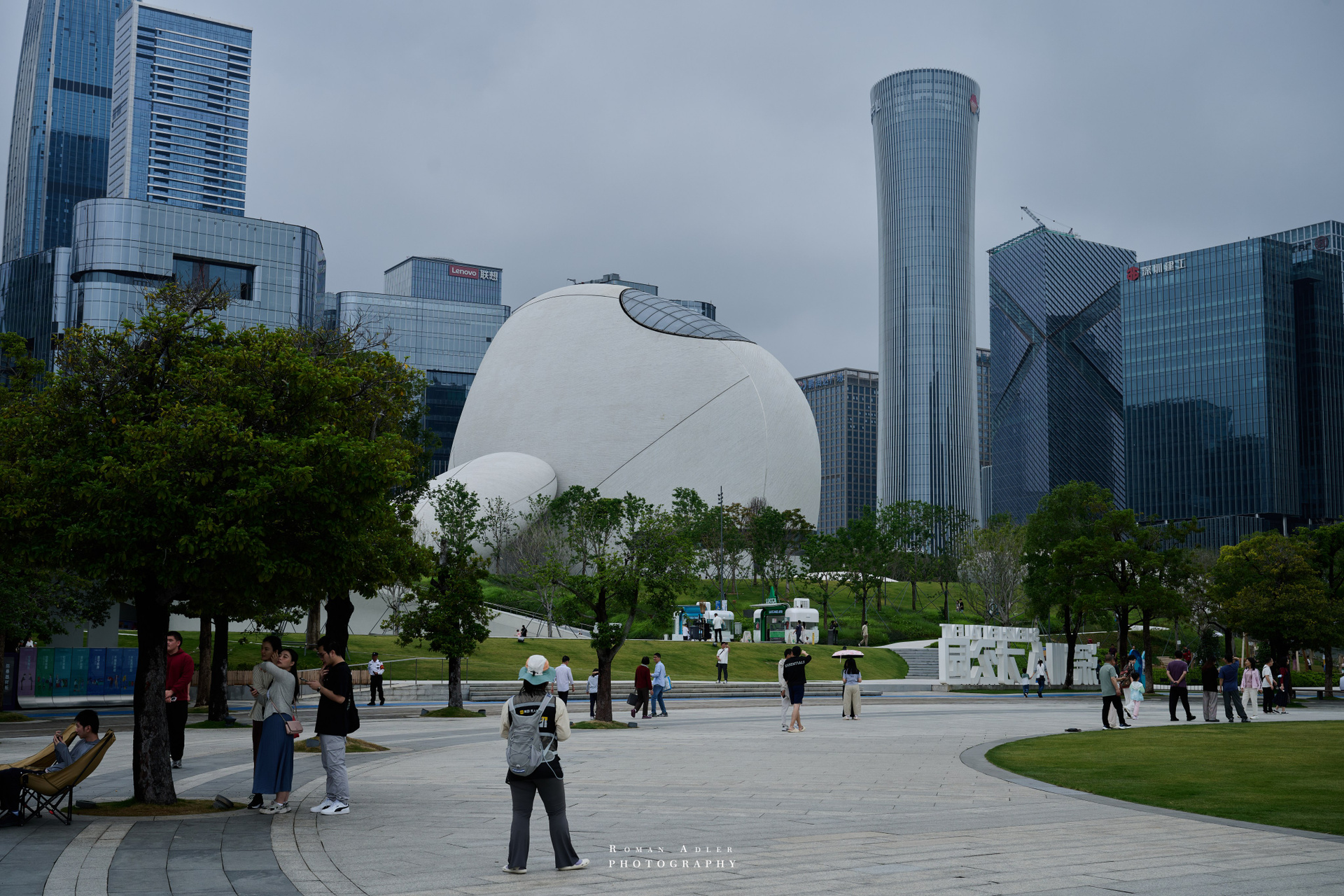
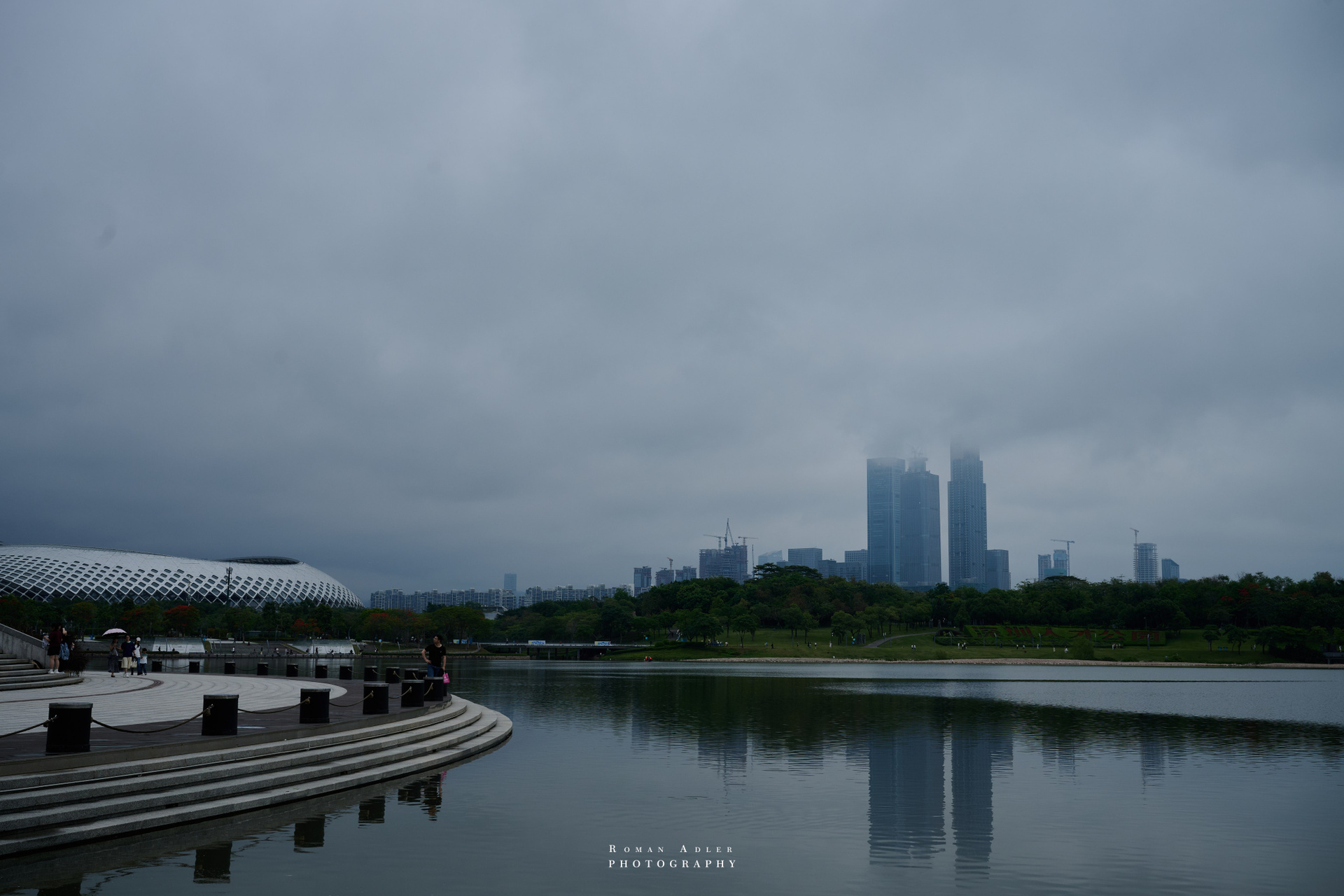
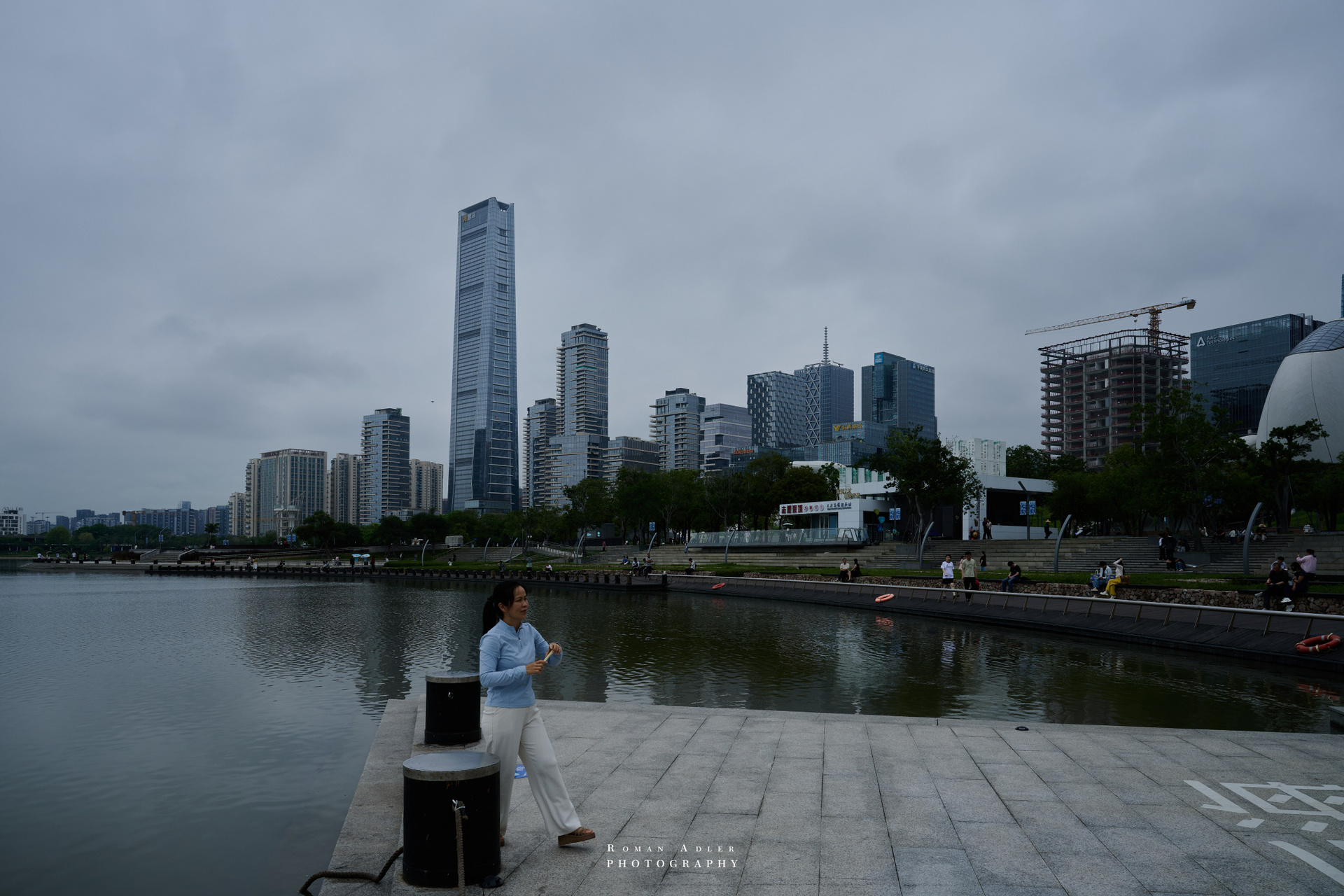
Imagine a city that simply did not exist on maps 50 years ago. Yet today, it is a futuristic megacity with a population of nearly 20 million people, “China’s Silicon Valley,” and a place where construction speed is measured in floors per day. Welcome to Shenzhen — a miracle city, built from scratch within a single human lifetime.

History of the city: From rice paddies to skyscrapers
The history of Shenzhen is not just urbanization, it is a real economic explosion. Back in the 1970s, on the site of the modern metropolis, there was a modest fishing village with a population of about 30 thousand people. The name Shenzhen itself translates from Chinese as “deep boundary” and is associated with a system of irrigation canals in rice fields. That all changed in 1980, when the Chinese government declared Shenzhen the country’s first special economic zone. This decision was part of the policy of reform and opening-up initiated by Deng Xiaoping, who saw Shenzhen not just as an economic platform, but as a “Chinese answer to Hong Kong.”
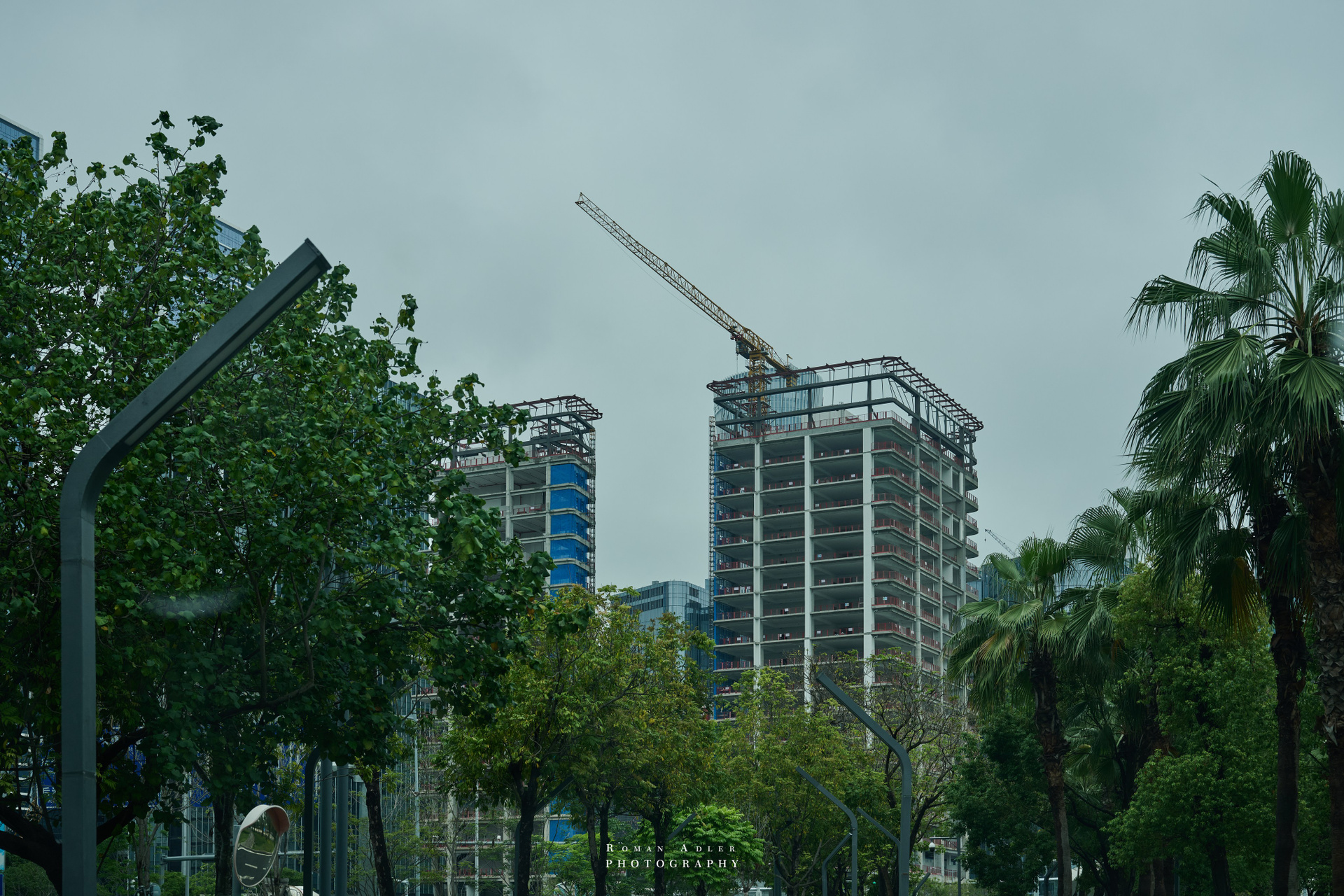
From that moment, a grand construction campaign began: factories, roads, and, of course, skyscrapers. Just five years later, in 1985, the International Trade Center was opened — China’s first multifunctional super-tall building. It was built at a phenomenal speed: one floor was erected in just three days. It was then that the expressions “at Shenzhen speed” and “Shenzhen height” appeared in the Chinese language.
Population: A City of the Young and Ambitious
Shenzhen’s demographics are as unique as its history. Over just a few decades, the population has grown more than 600-fold — from 30,000 to approximately 18 million people today.
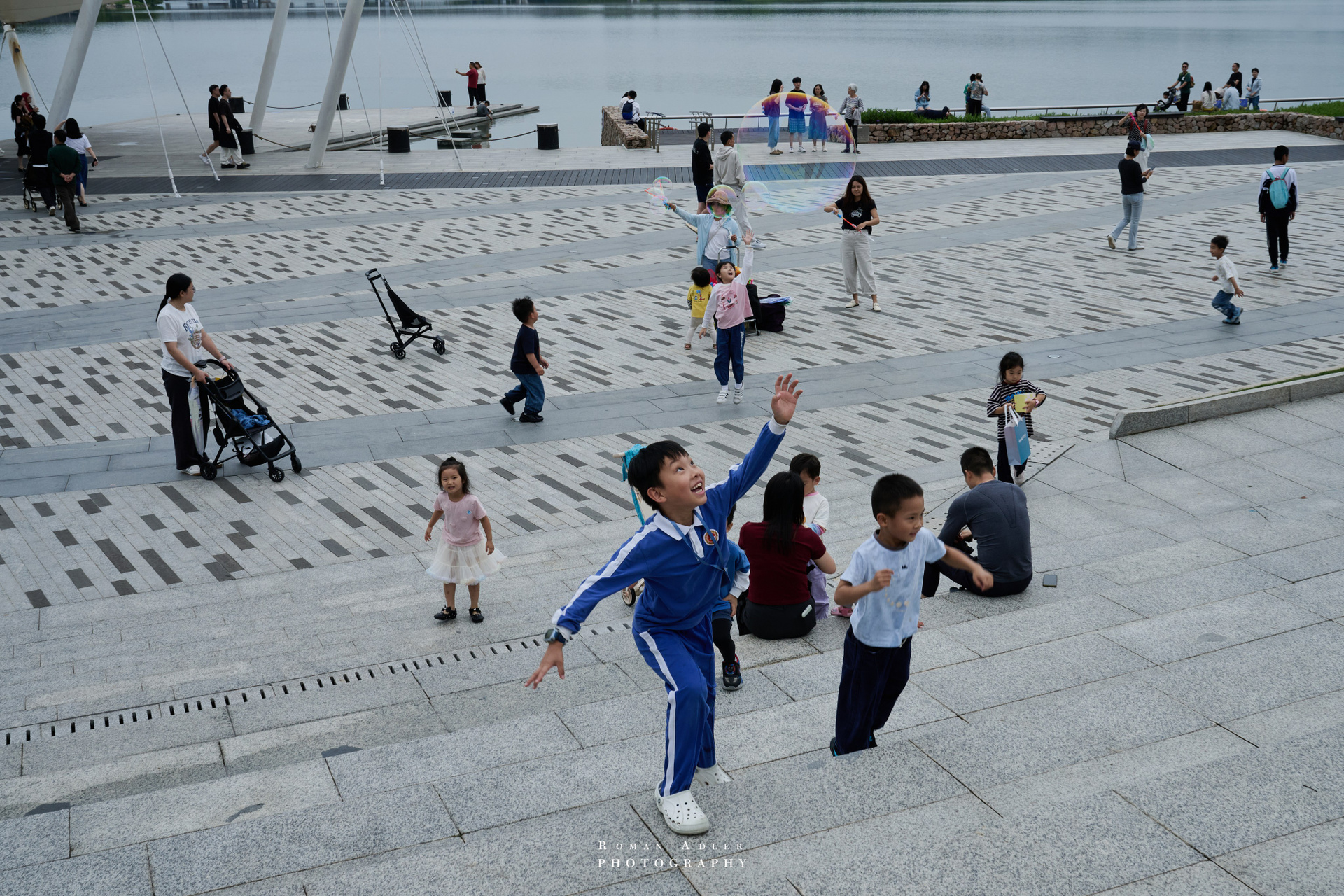
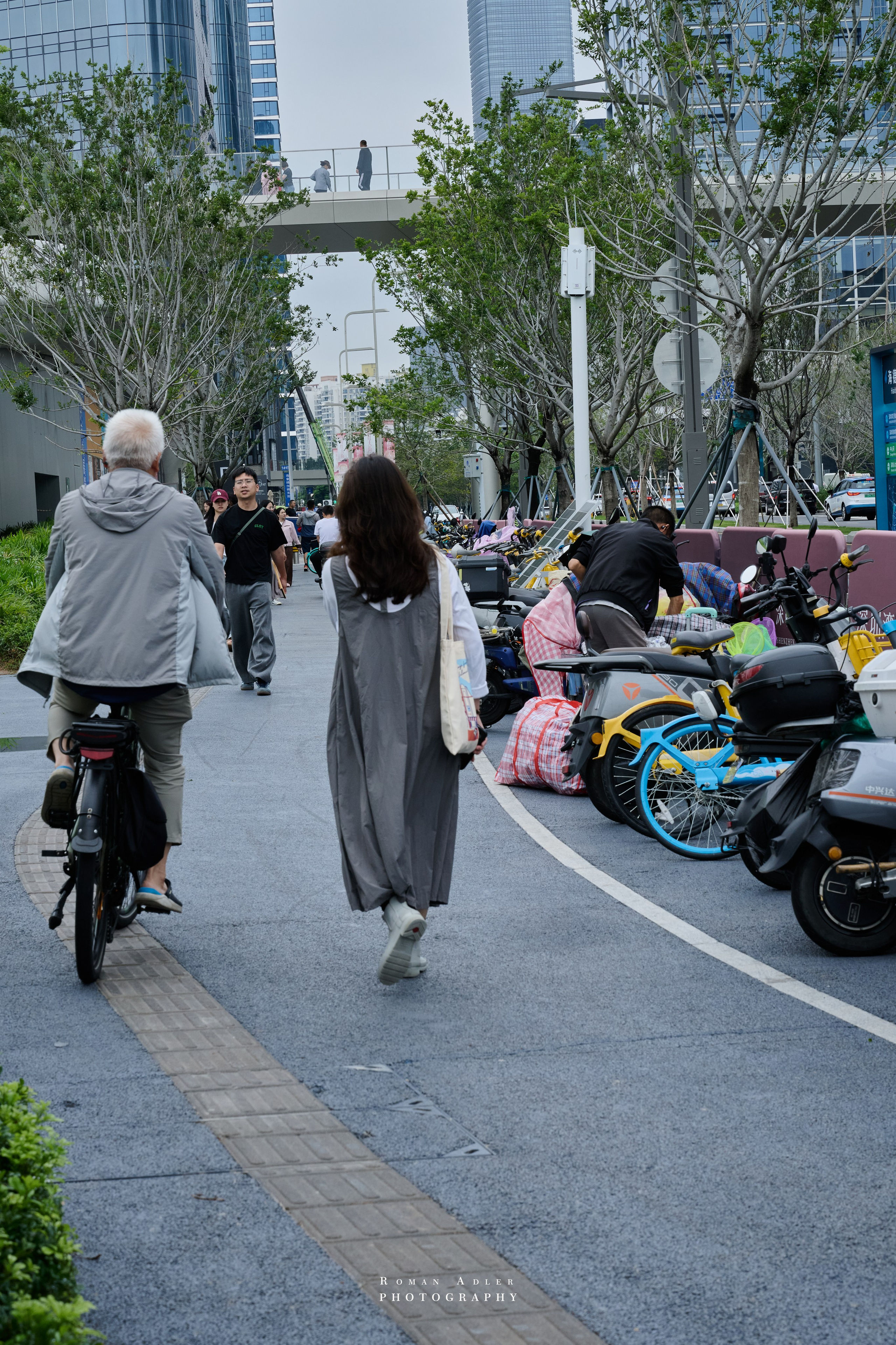
What makes Shenzhen special is that it is an incredibly young city. The average age of its residents is only about 30–32 years. Ambitious professionals and entrepreneurs come here from all over China to pursue their dreams. Moreover, over the past 10 years, the number of wealthy individuals in the city has grown by 142% — one of the highest rates in the world.
A City of Records
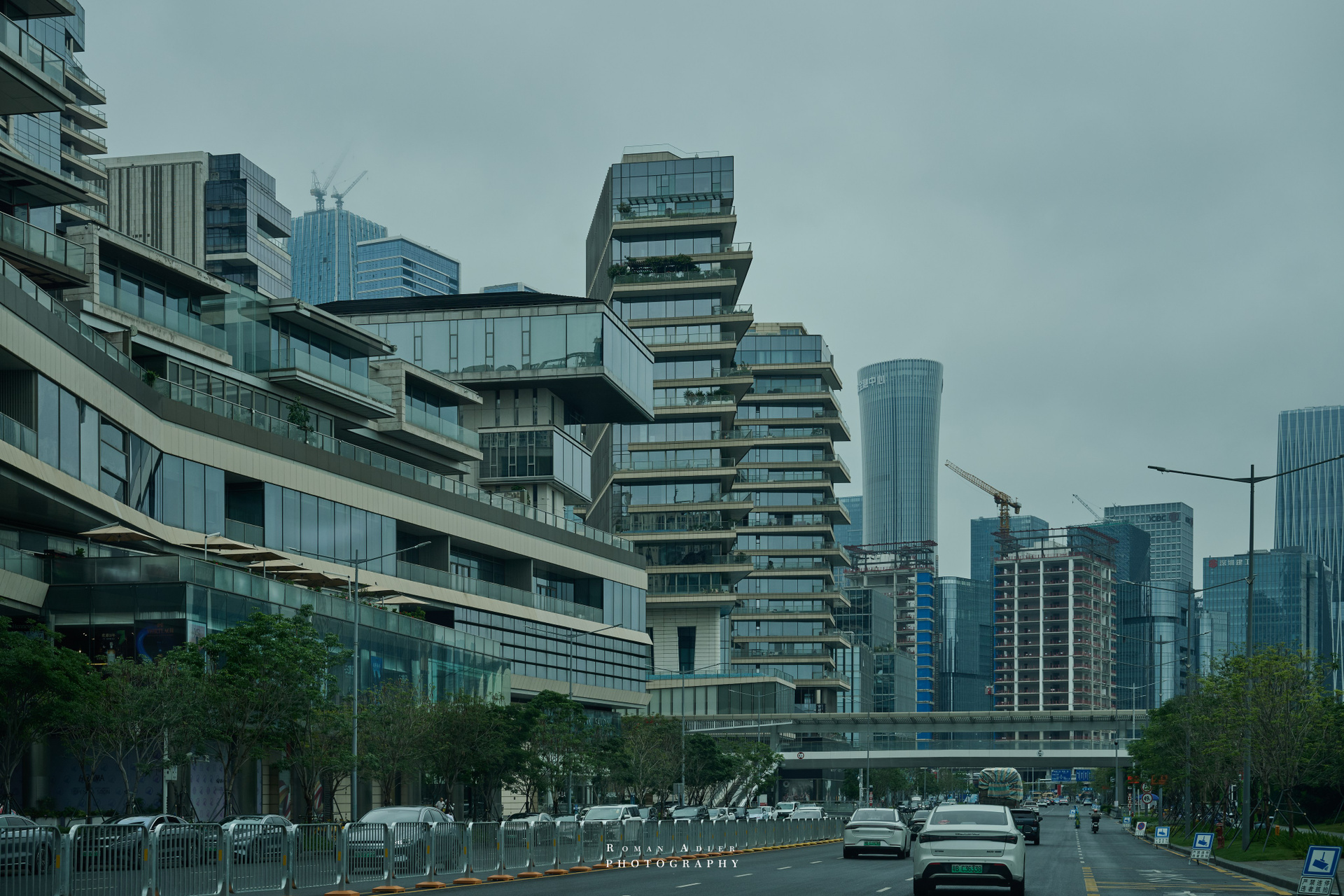
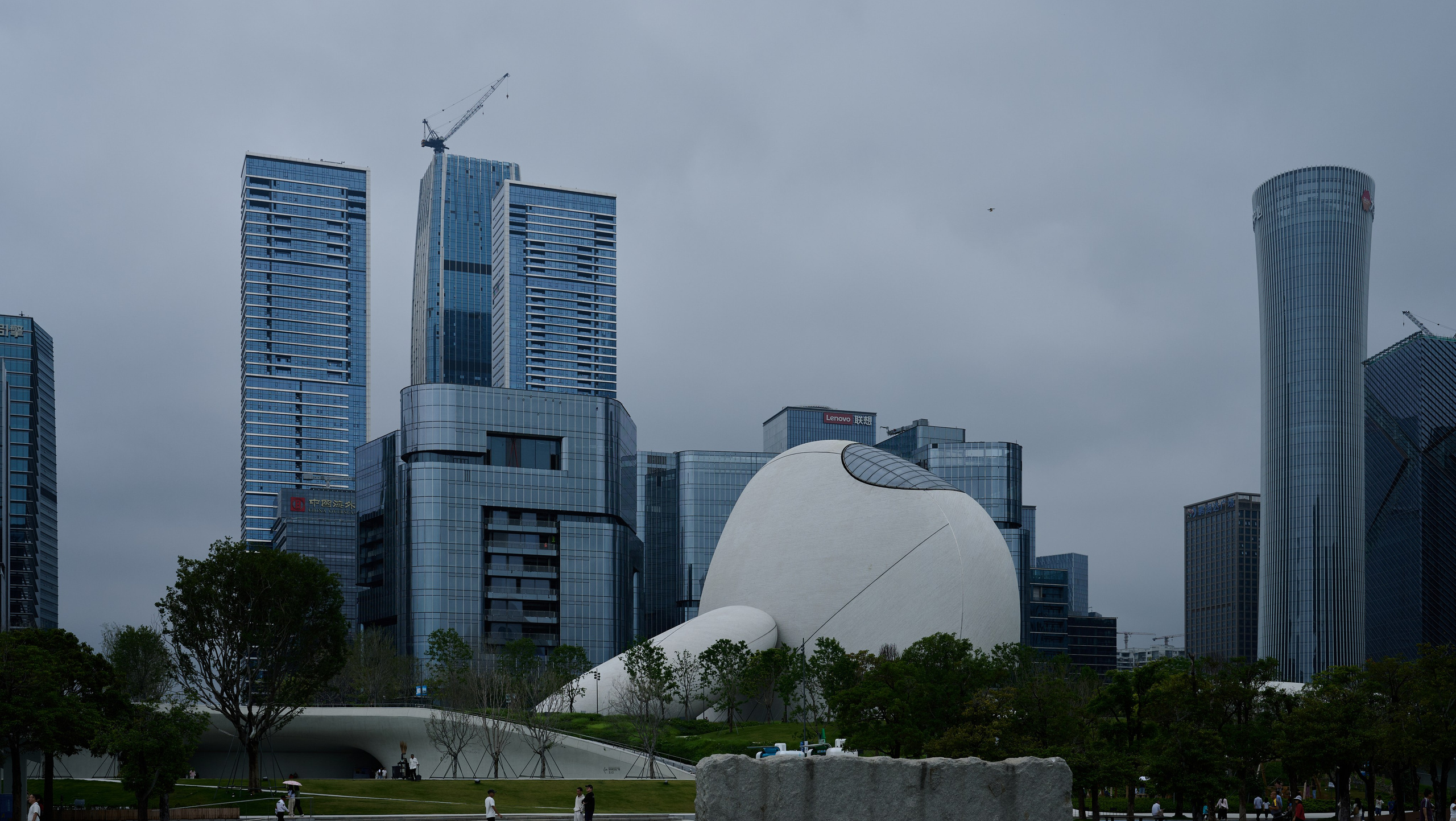
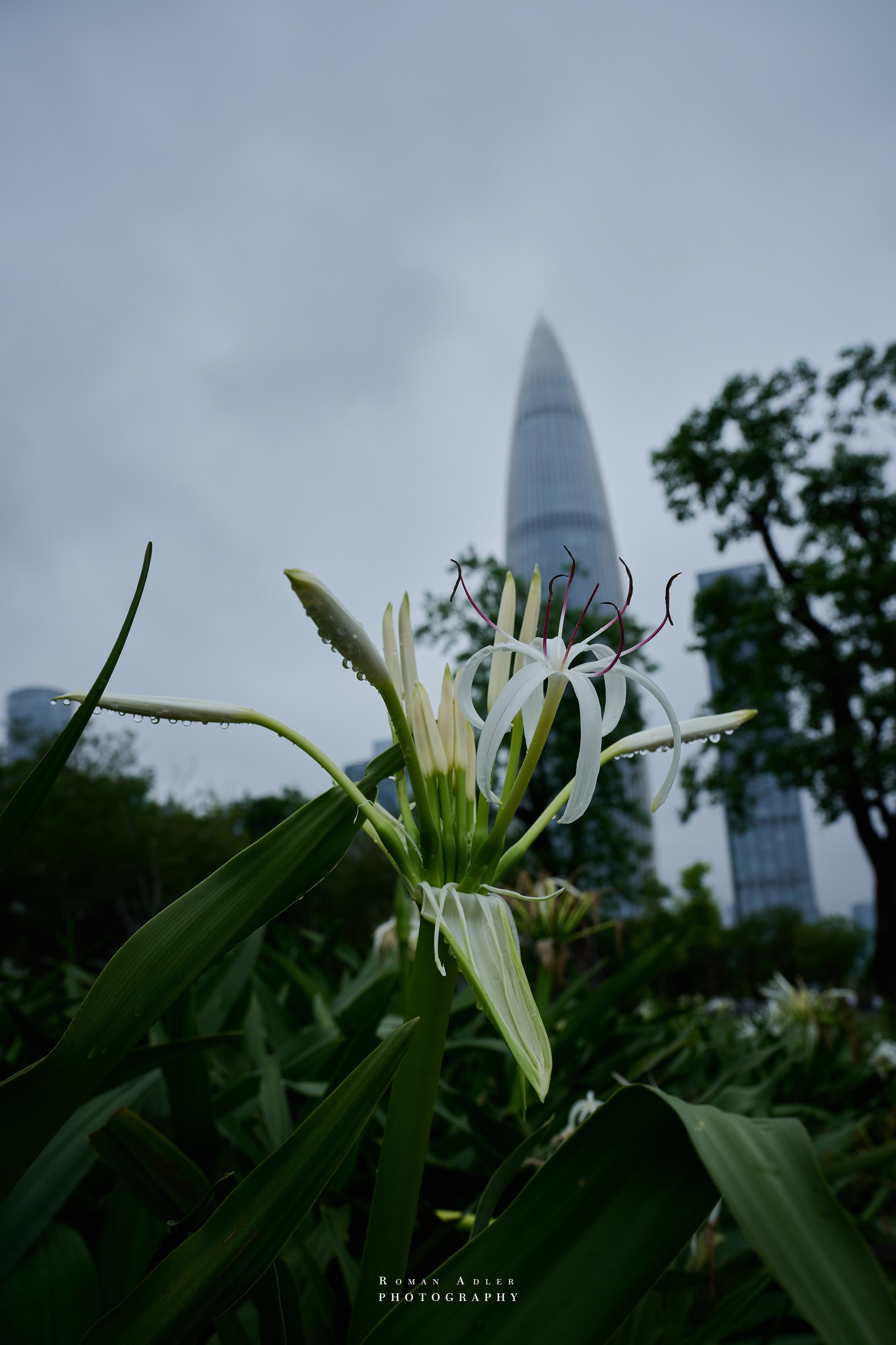
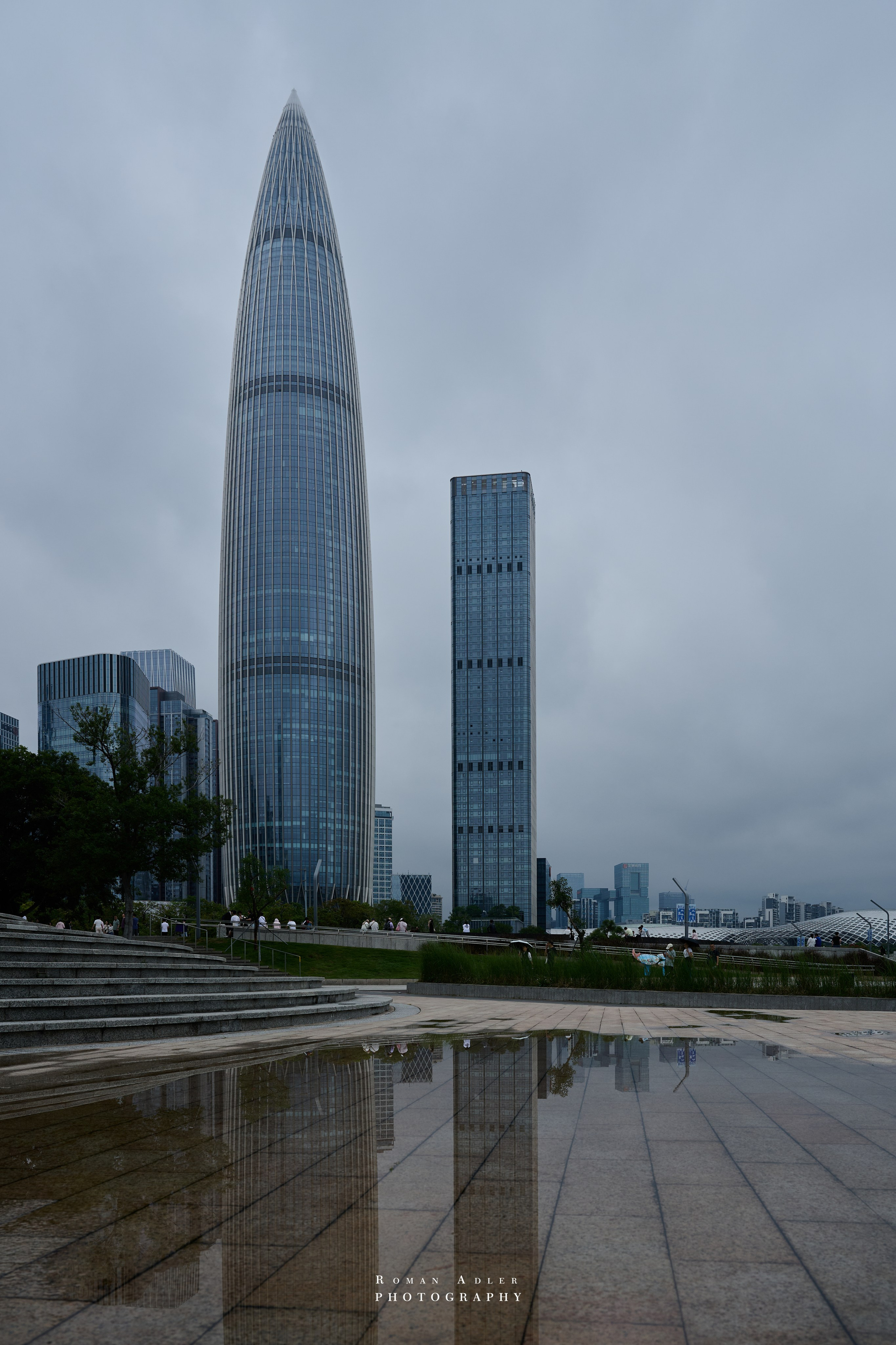
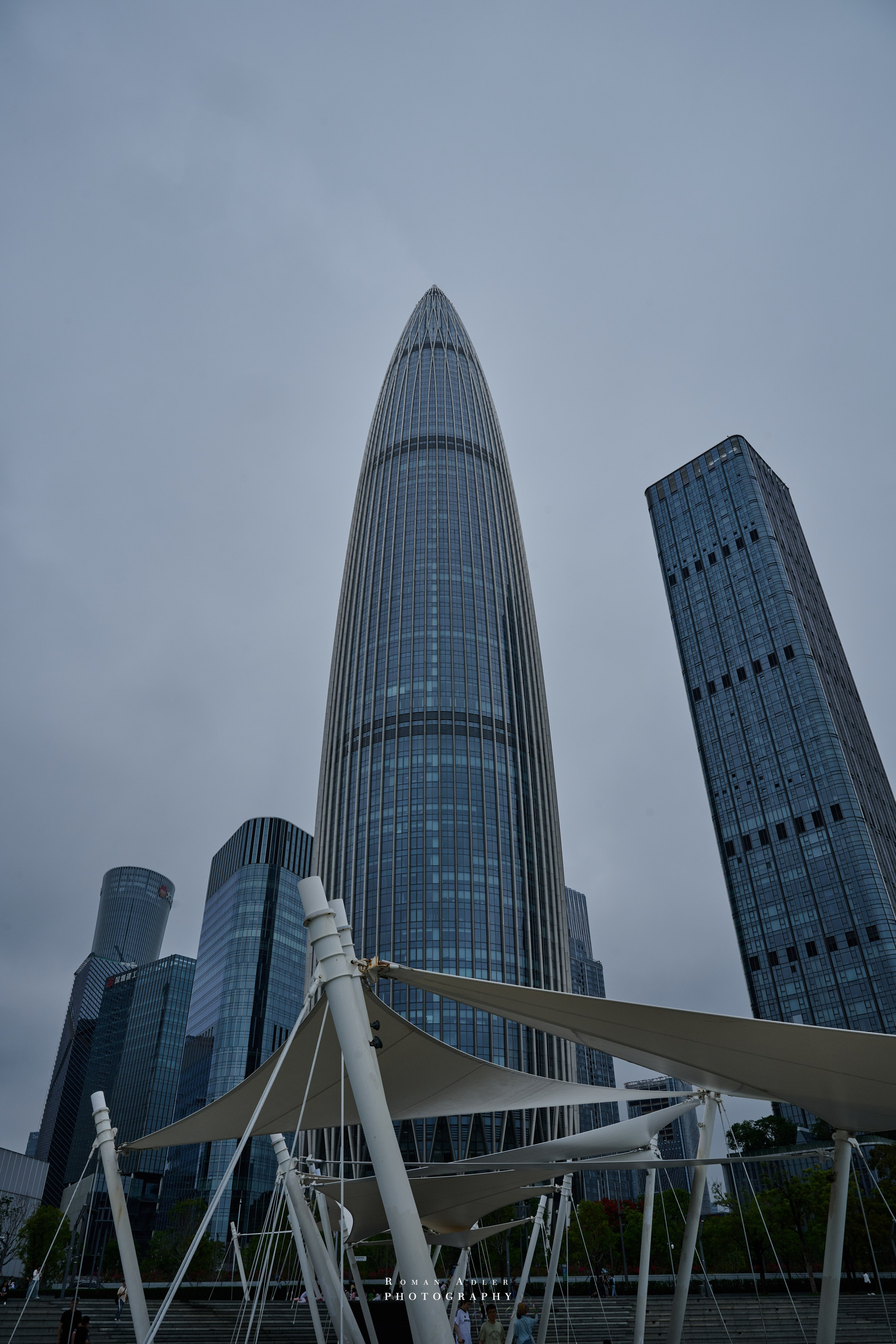
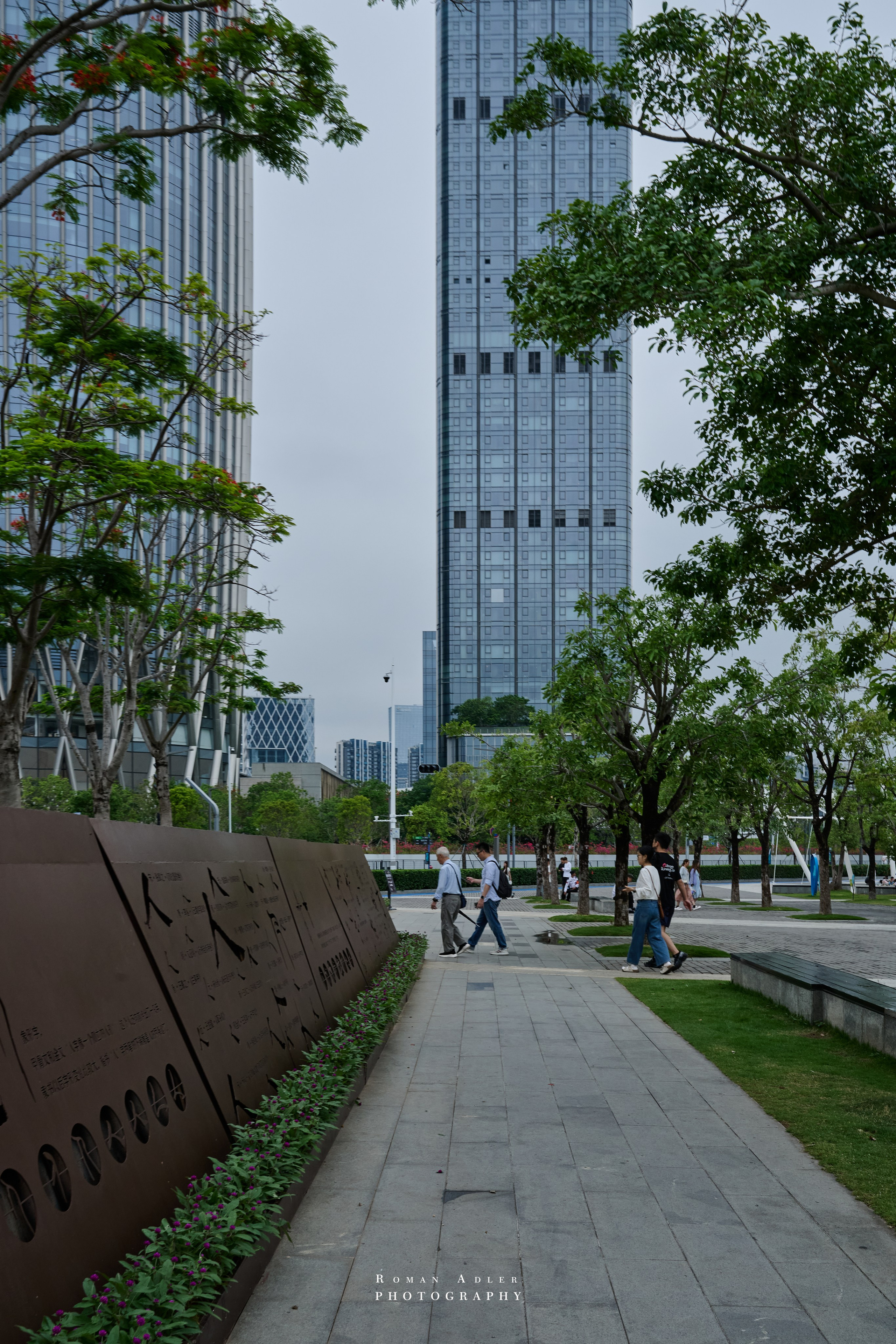
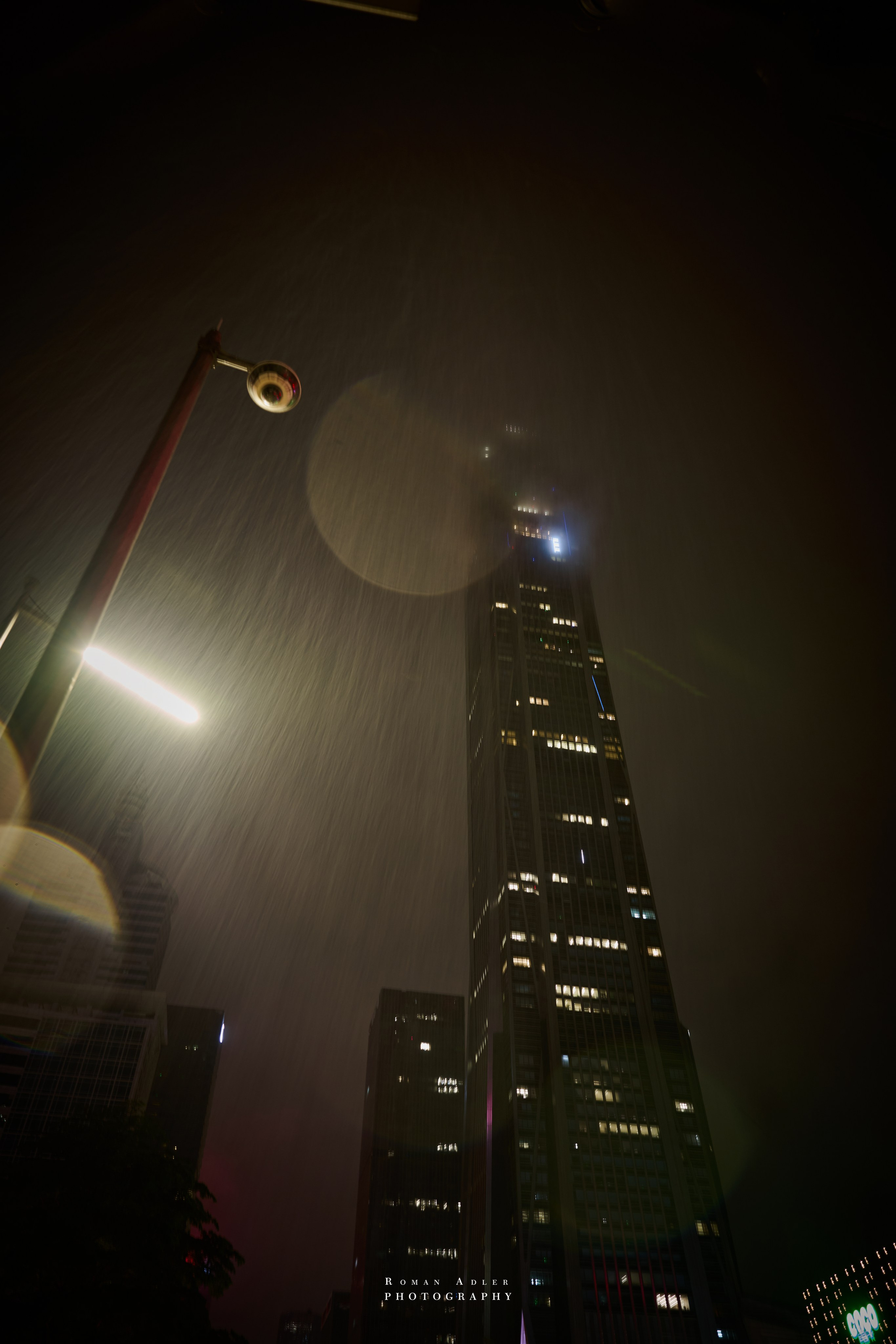
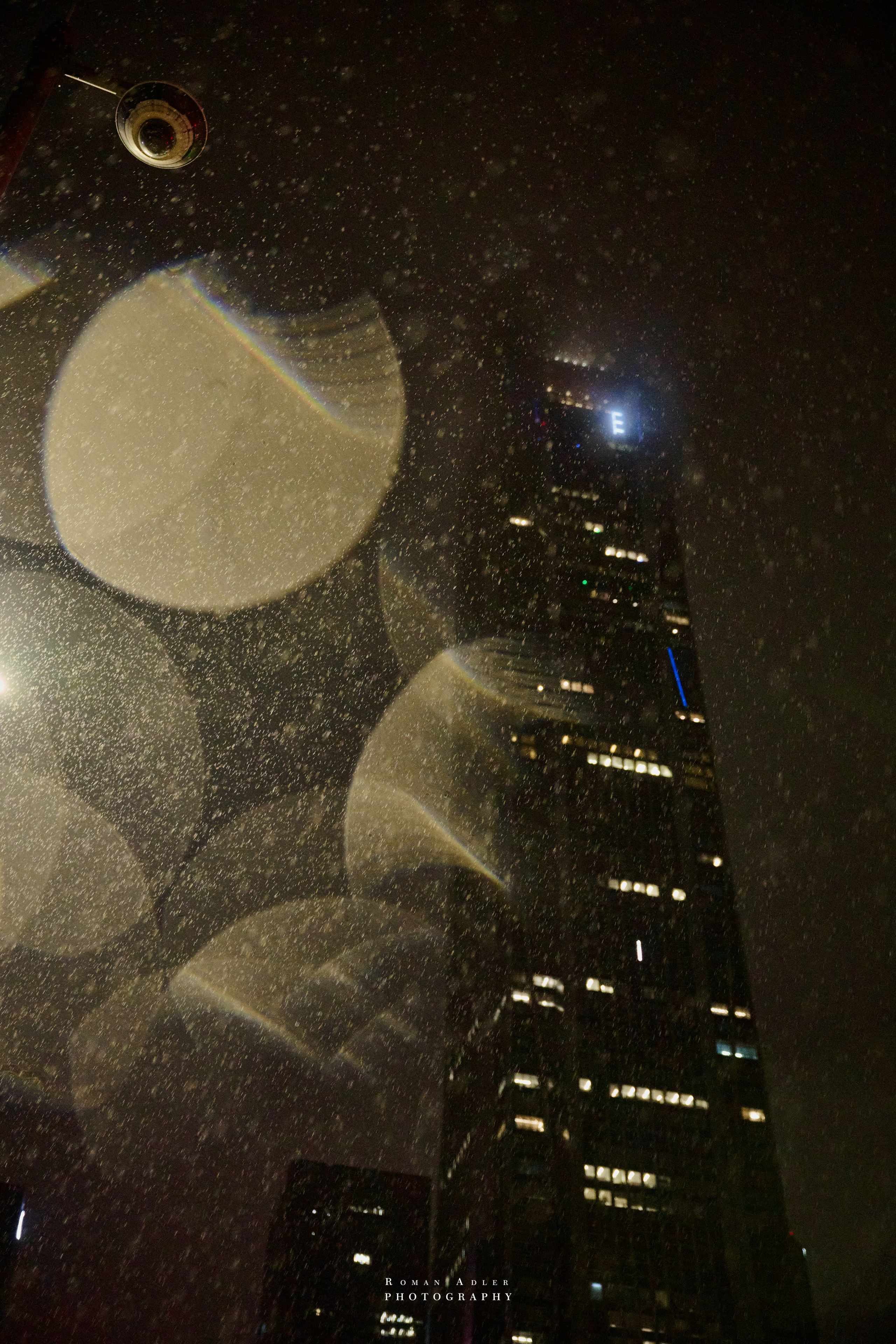
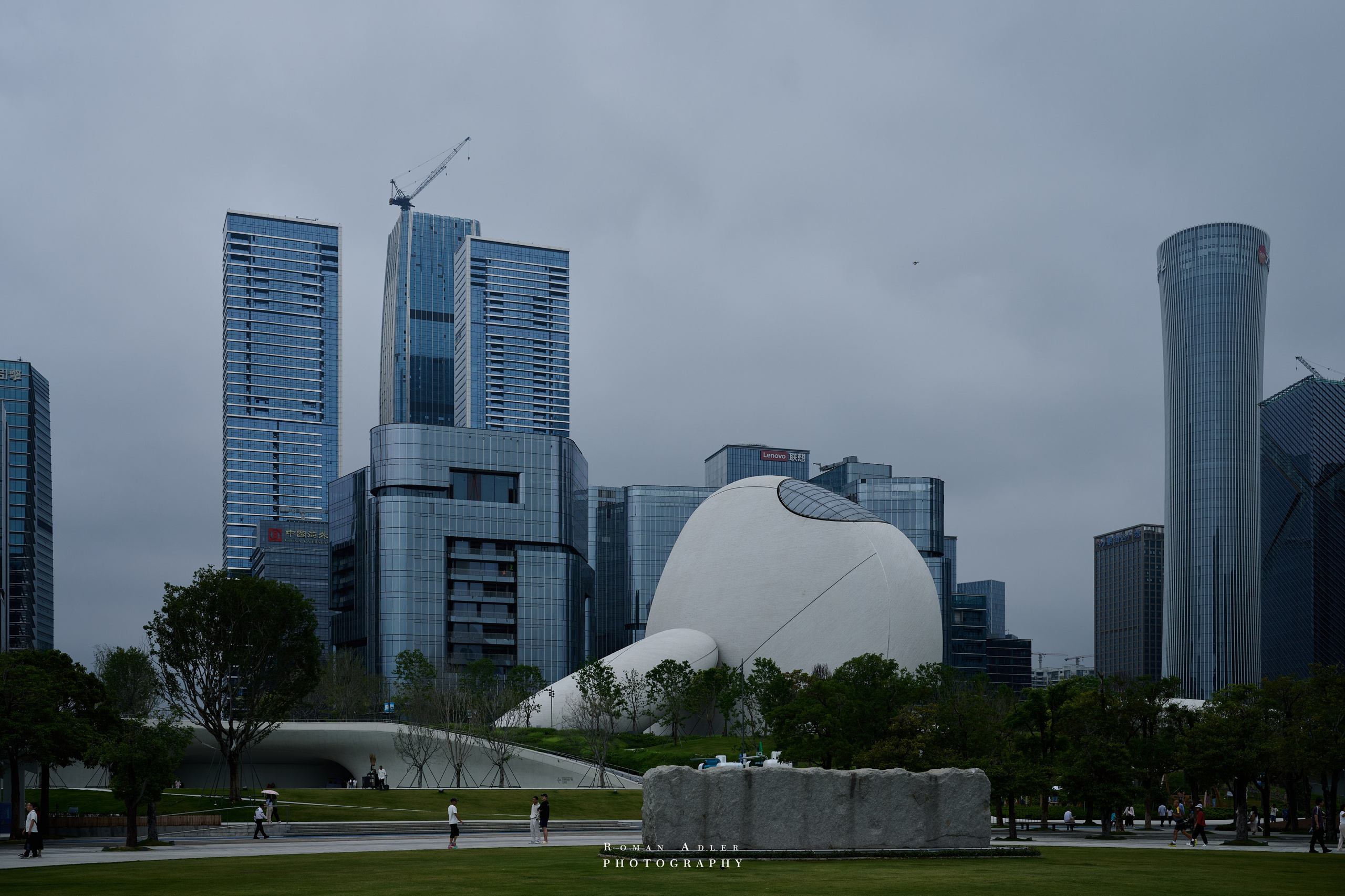
Shenzhen is not just a megacity — it is a veritable open-air museum of modern architecture. In terms of the number of skyscrapers, it ranks second in the world, trailing only Hong Kong but surpassing New York. The main architectural gem is the Ping An International Finance Centre. Standing at 599 meters, it is the tallest office building in the world. From its observation deck at 580 meters, breathtaking views of the city and the Pearl River Delta unfold before you.
The main architectural gem is the Ping An International Finance Centre. Standing at 599 meters, it is the tallest office building in the world. From its observation deck at 580 meters, breathtaking views of the city and the Pearl River Delta unfold before you.
A City of Technology and Parks
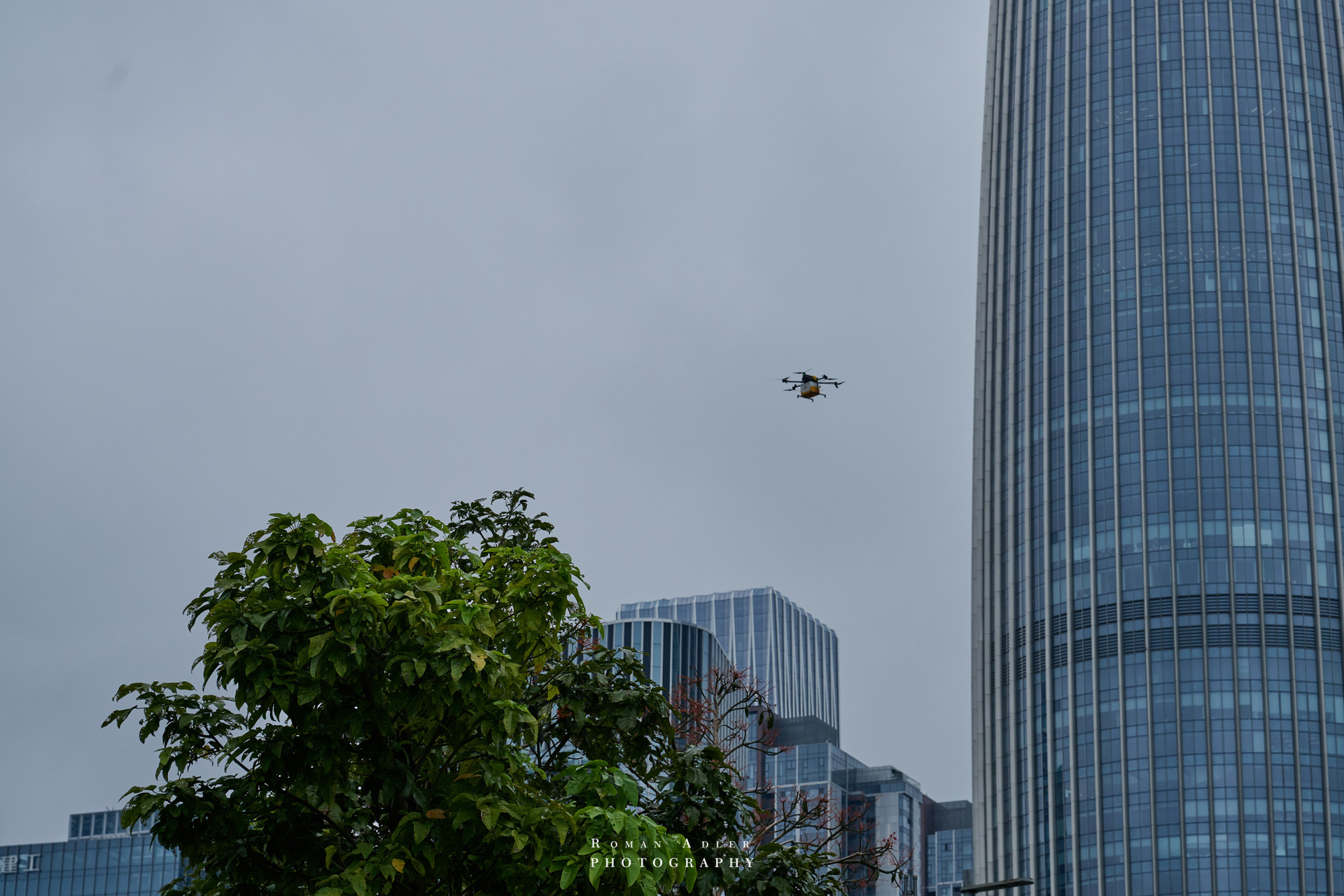
Shenzhen is often called “China’s Silicon Valley.” It is home to the headquarters of giants such as Huawei, Tencent (the creators of WeChat), ZTE, and BYD (one of the world’s largest electric vehicle manufacturers). It is also where most iPhone models are assembled, and the famous Huaqiangbei electronics market is a place where you can find any components and gadgets imaginable.
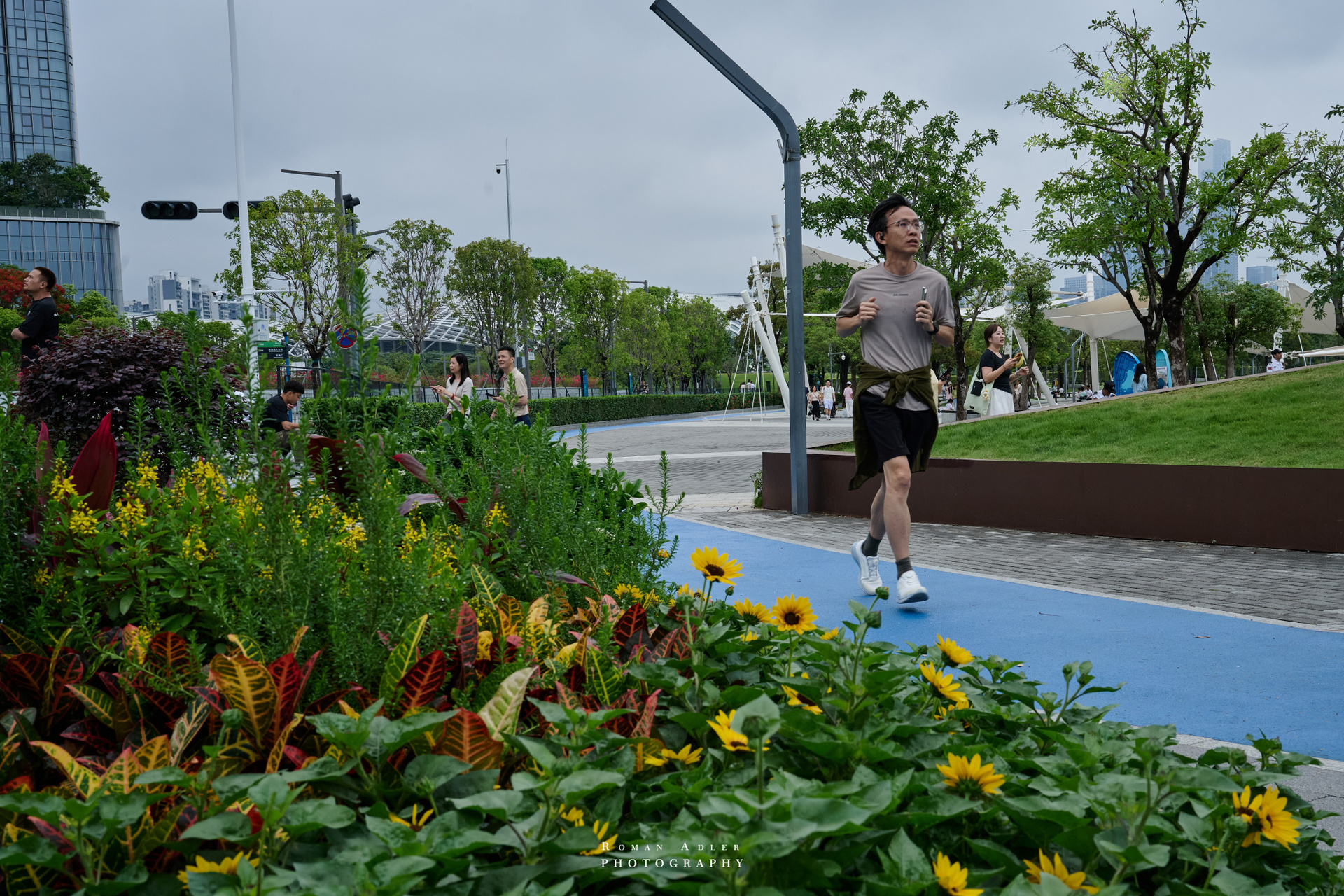
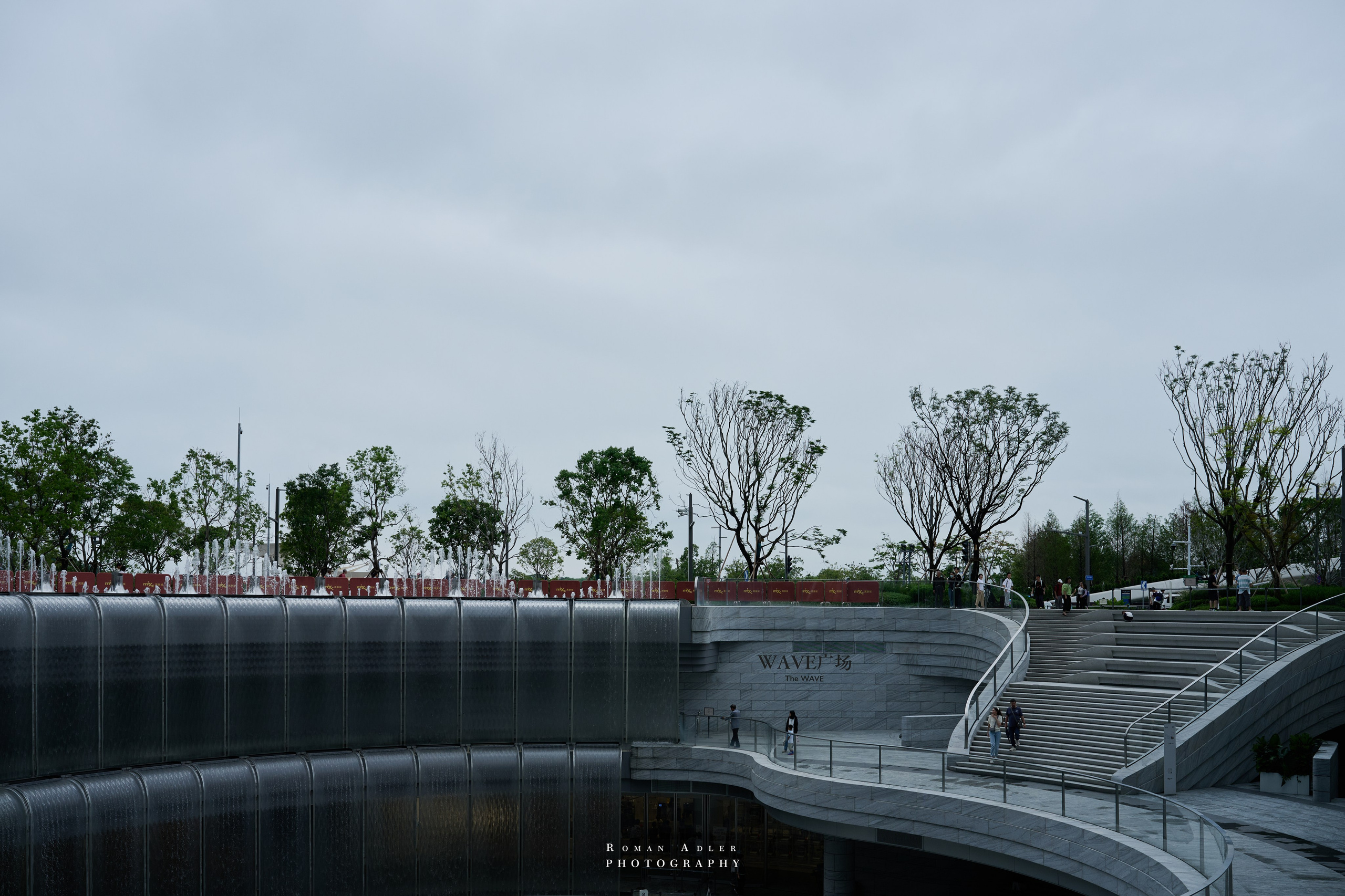
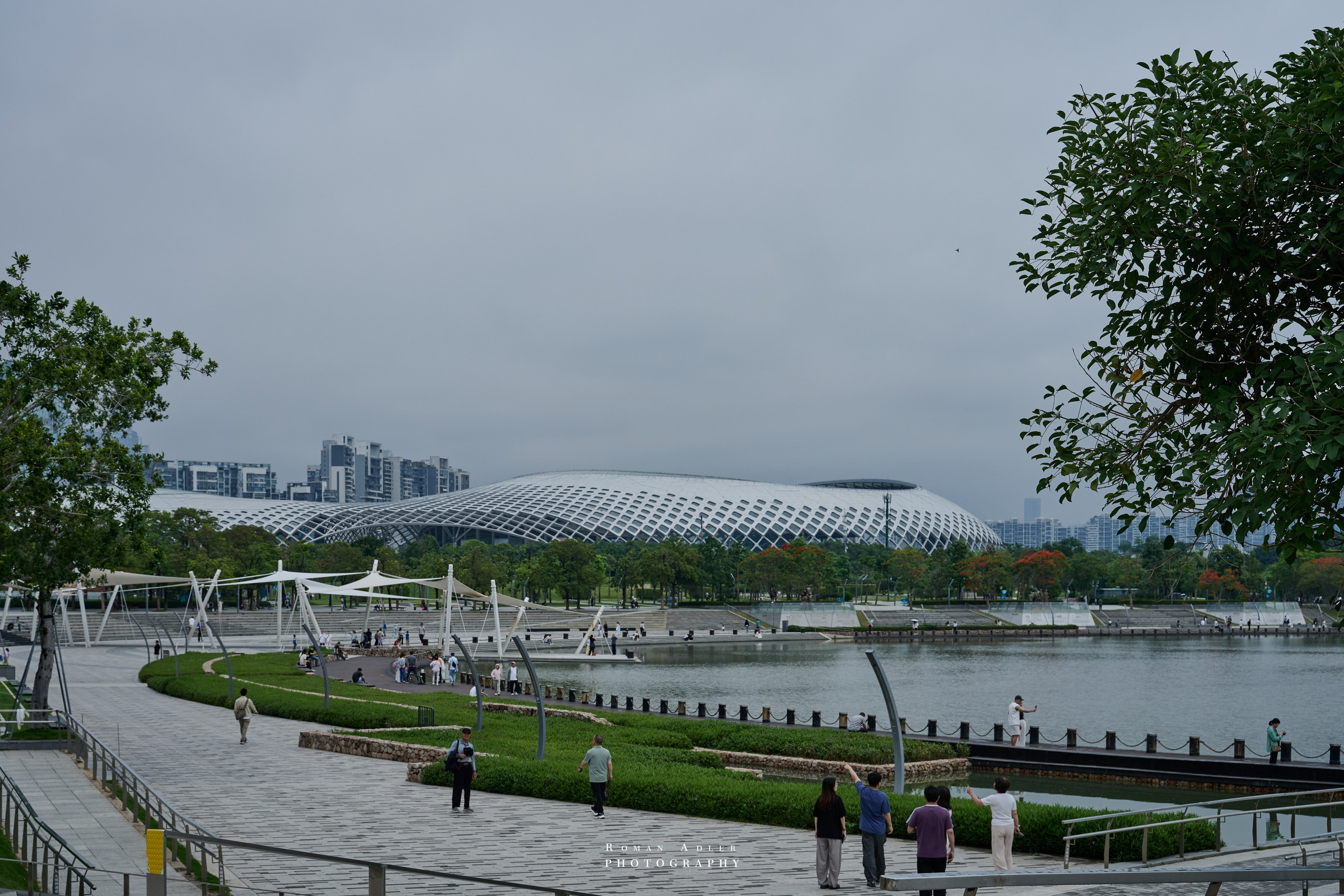
At the same time, Shenzhen is a surprisingly green city. It has numerous parks where you can take a break from the futuristic cityscape. Among the most interesting are the theme park “Window of the World, ” which features miniature replicas of famous landmarks from around the planet, and the China Folk Culture Village, which introduces visitors to the architecture and daily life of China’s various ethnic groups.
And if you want to see a different, historical side of China, Shenzhen has preserved ancient fortresses, such as Dapeng Fortress, built in the 14th century to defend against pirates, or the Guanyu Temple, dating back to 1612.
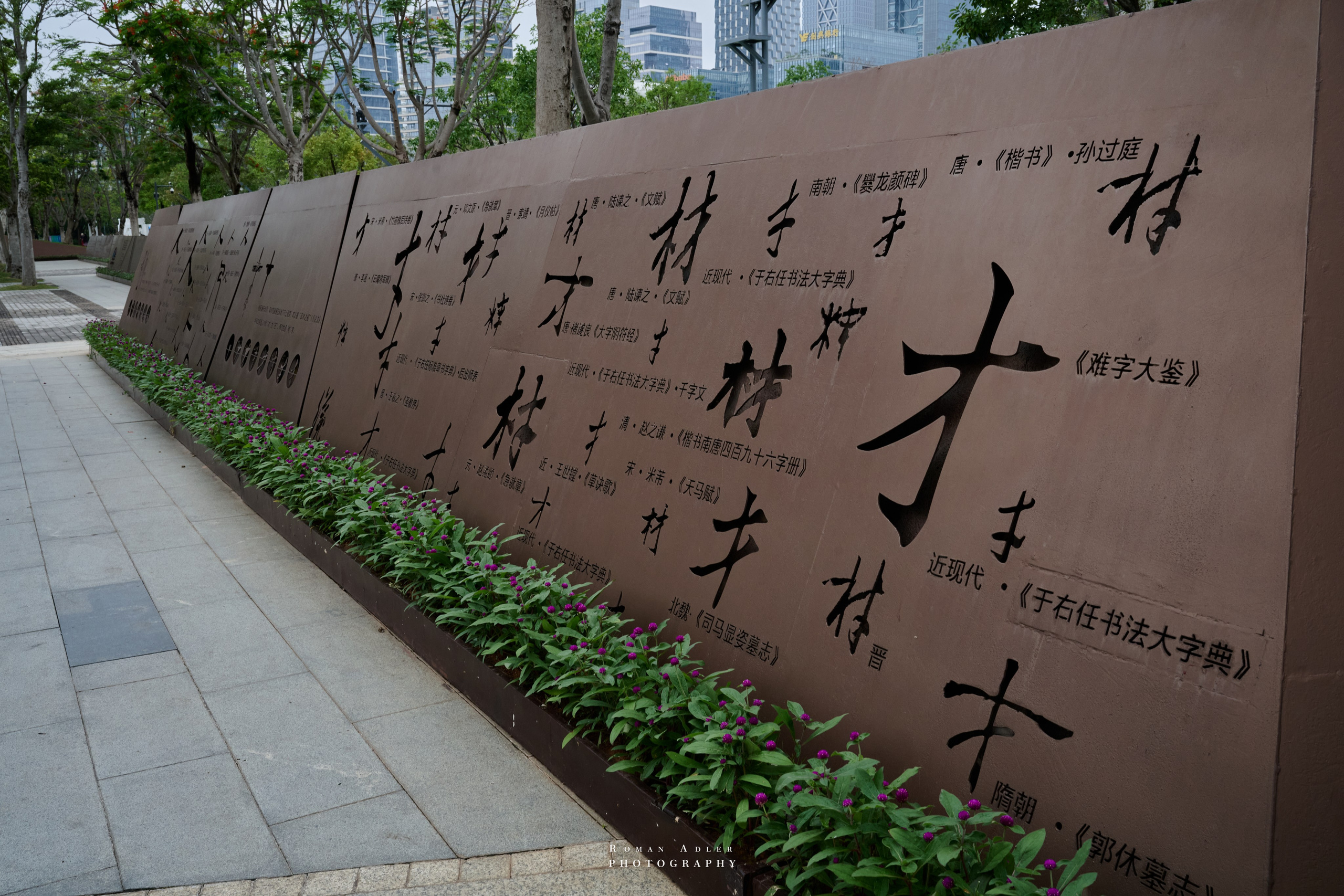
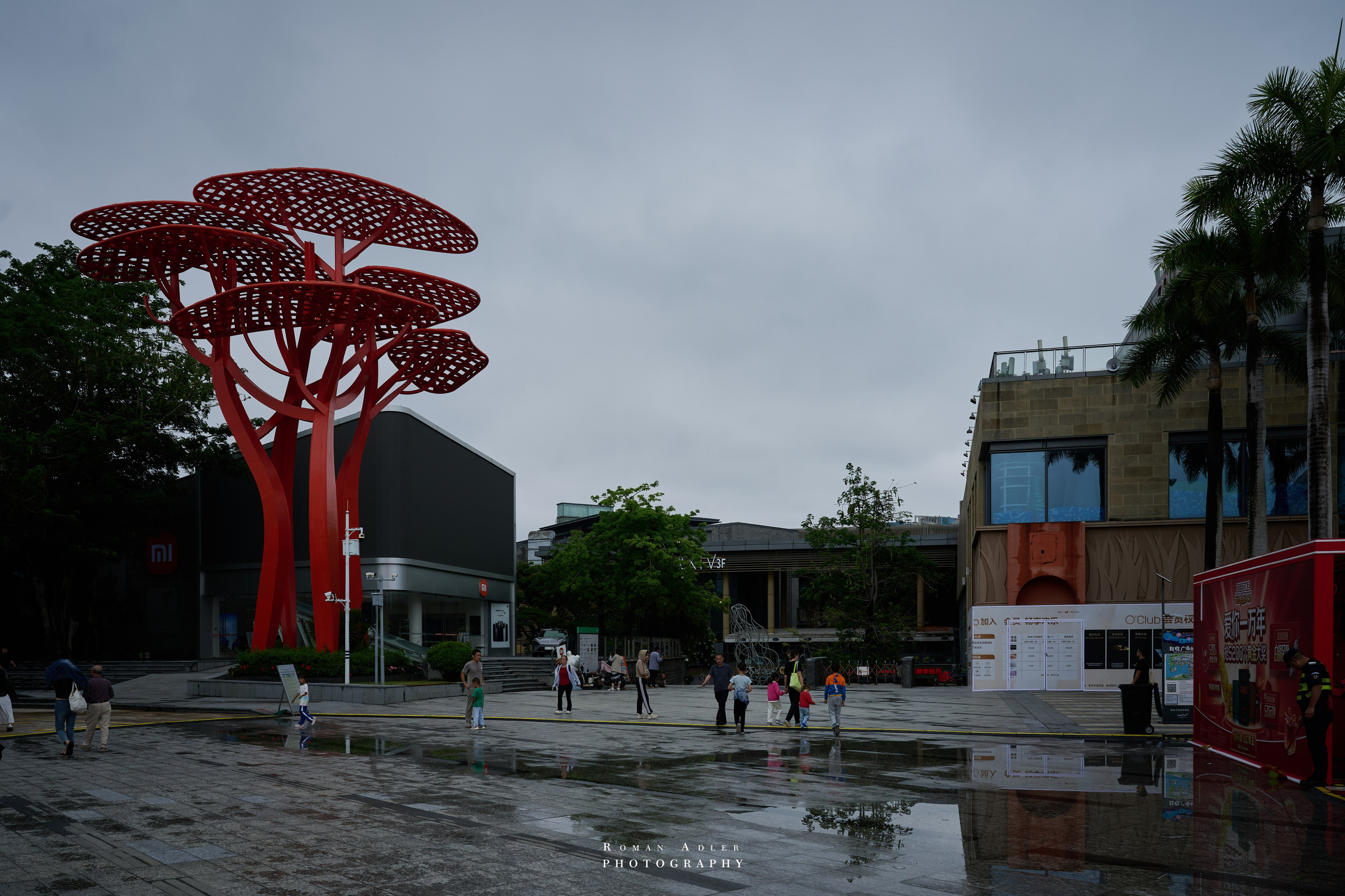
Shenzhen is perhaps the best example of the transformation a country can undergo within a single generation. It is not just a city — it is a symbol of the future, built on the site of the past.