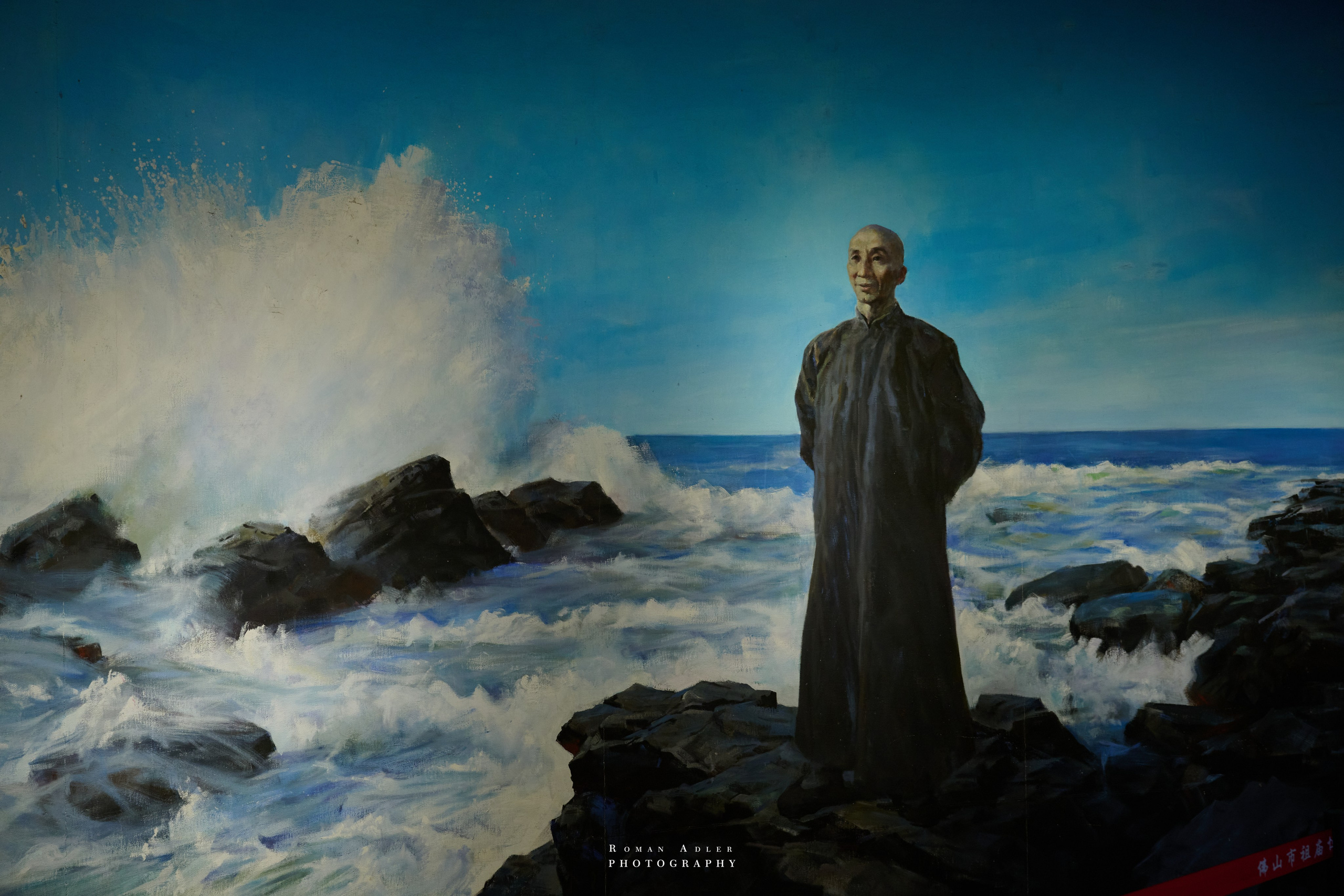

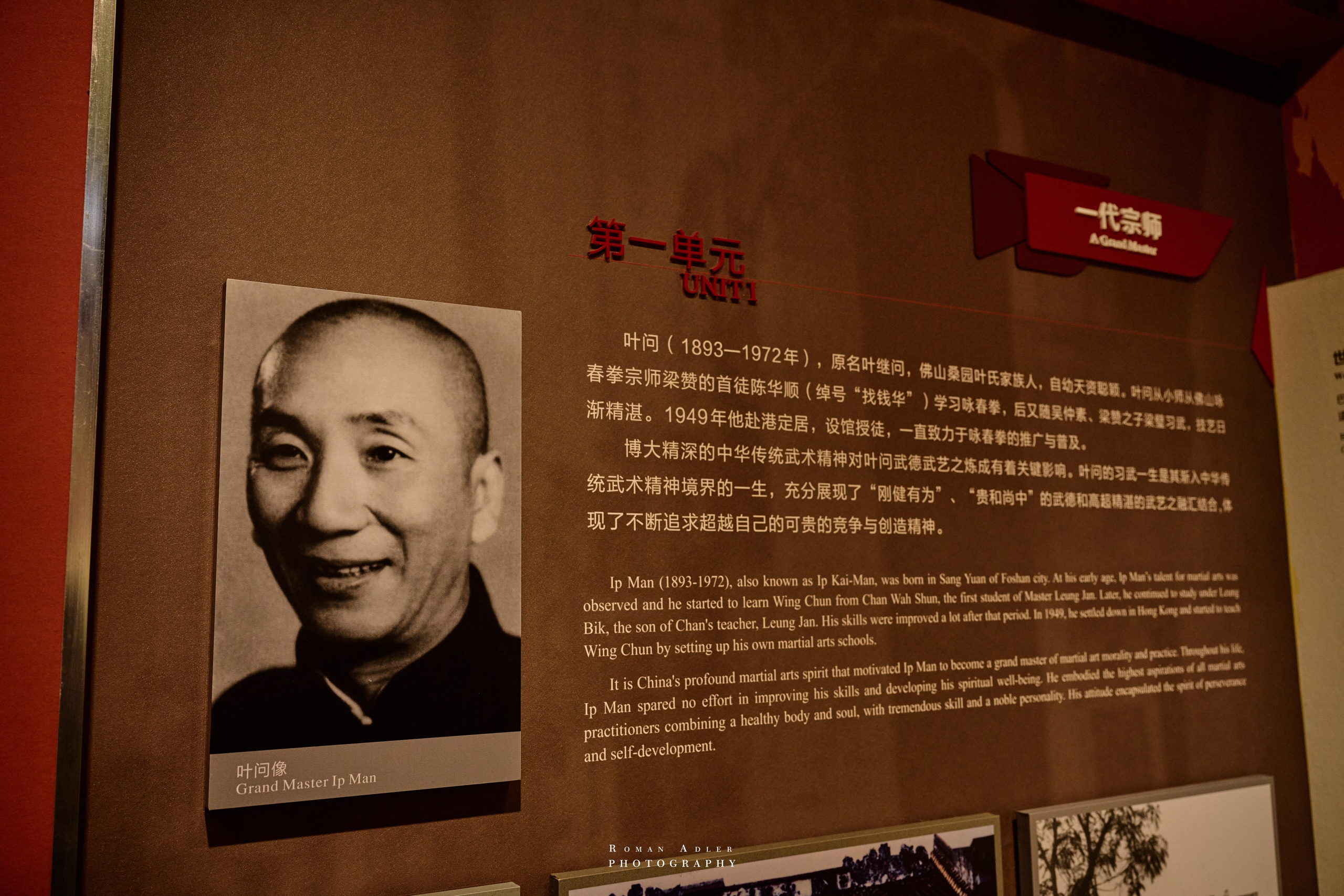

A Legend Comes to Life in Foshan
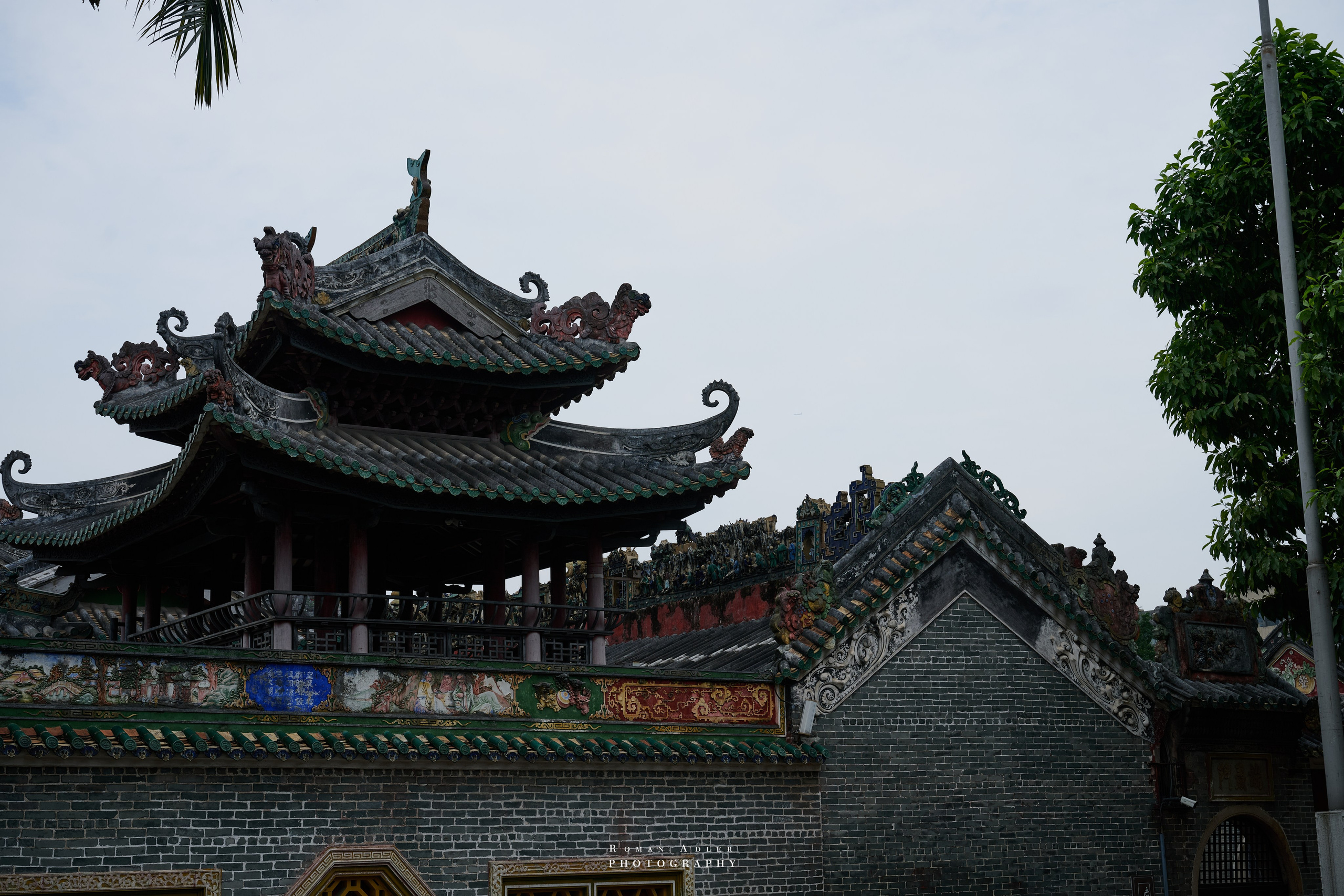
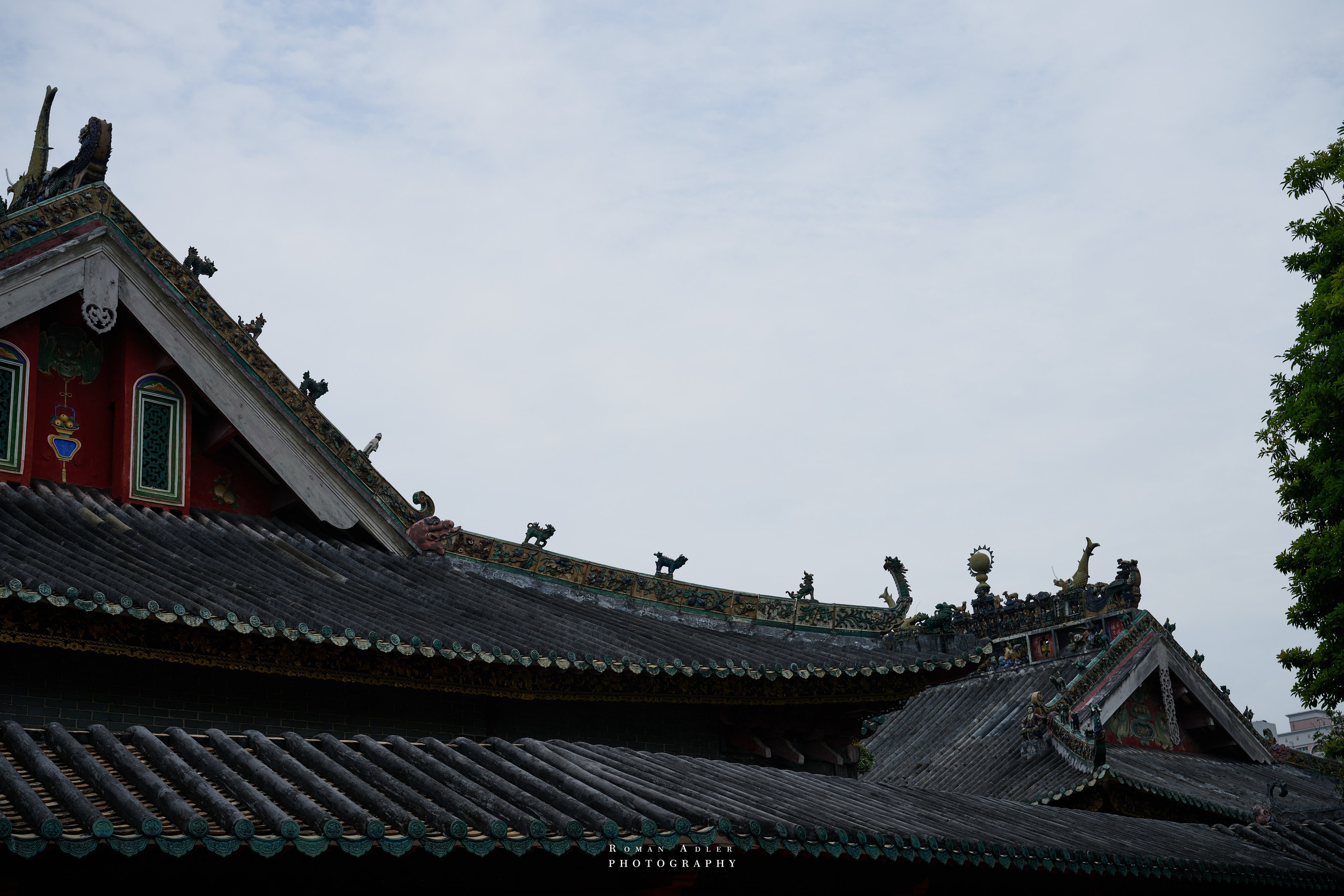
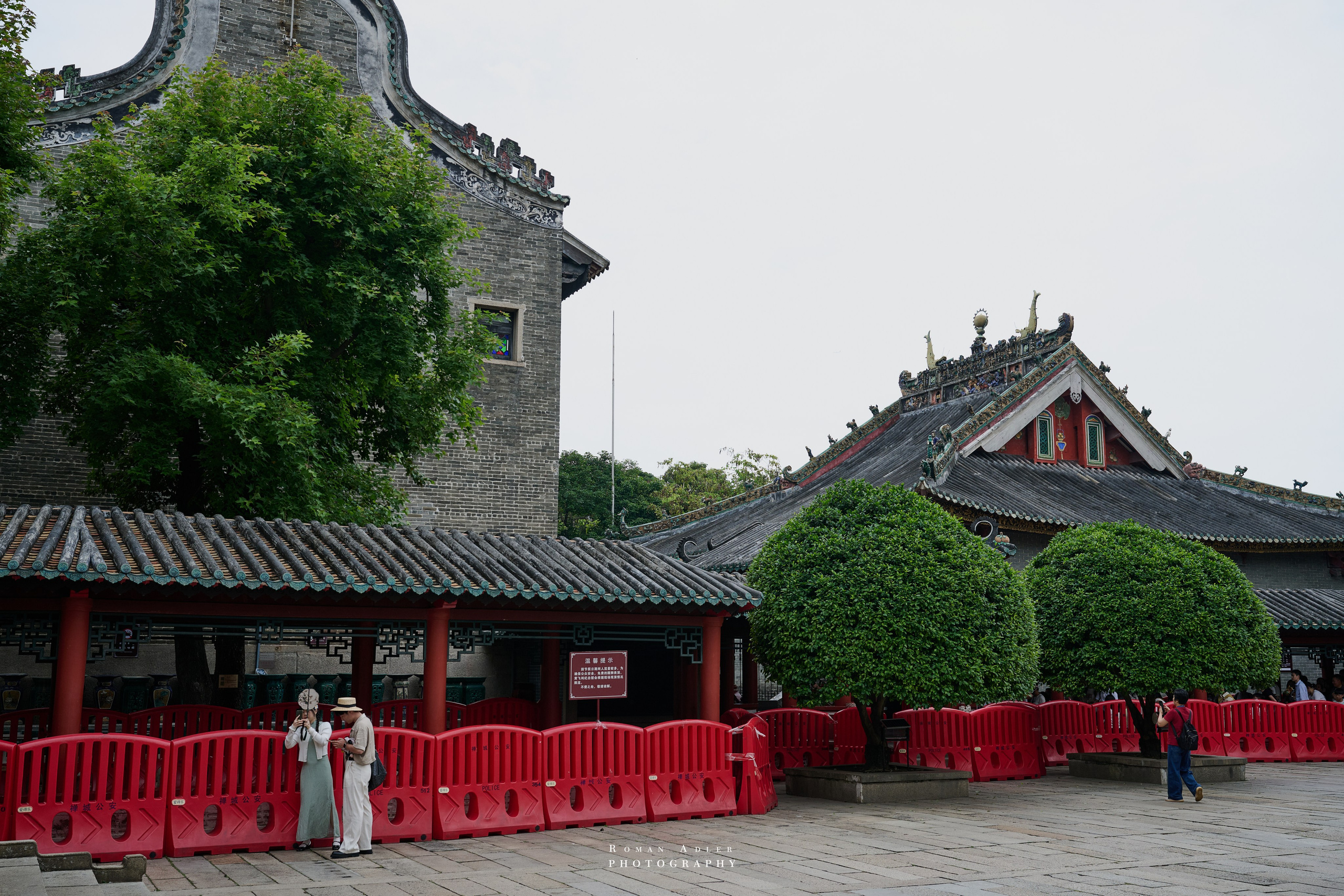
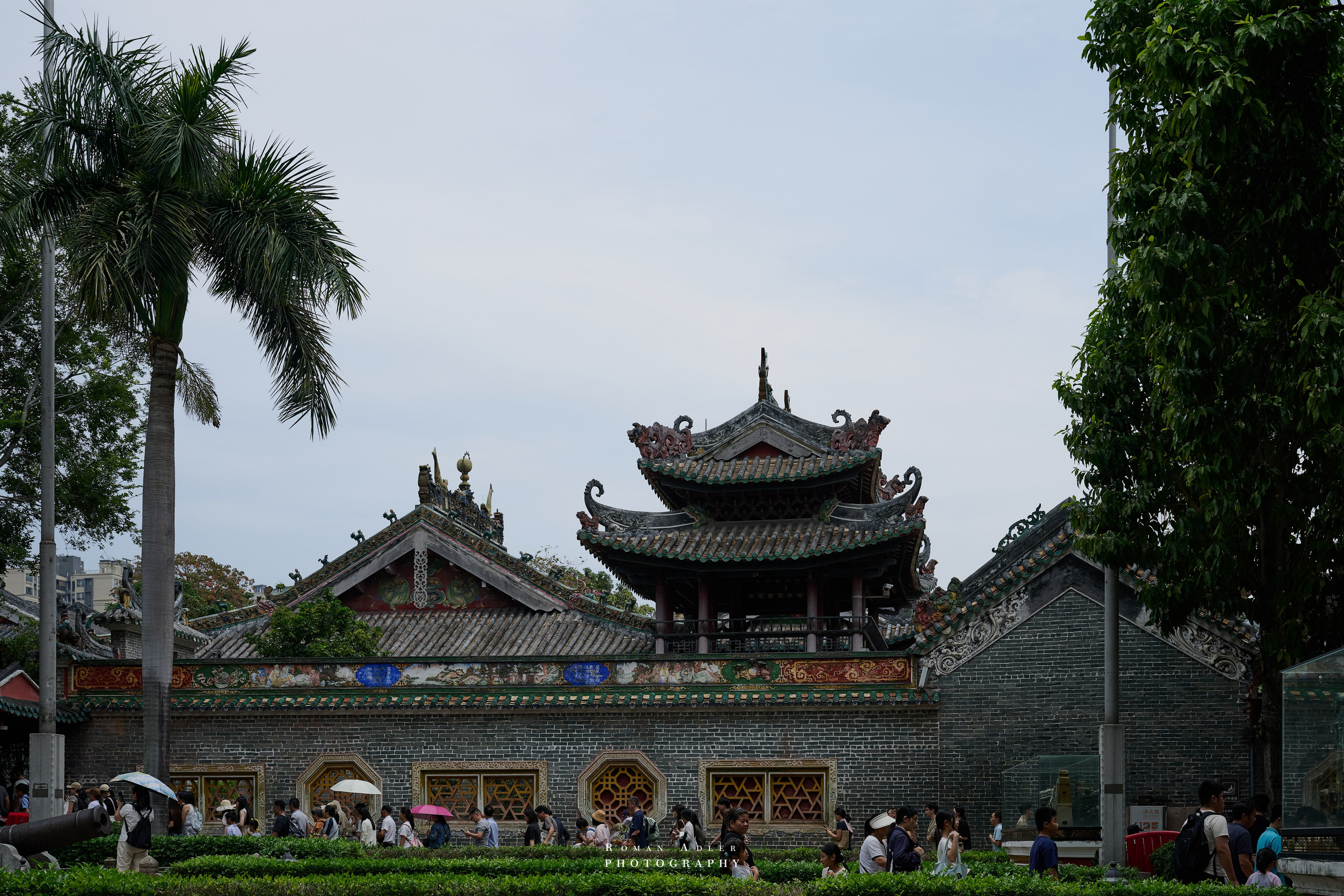
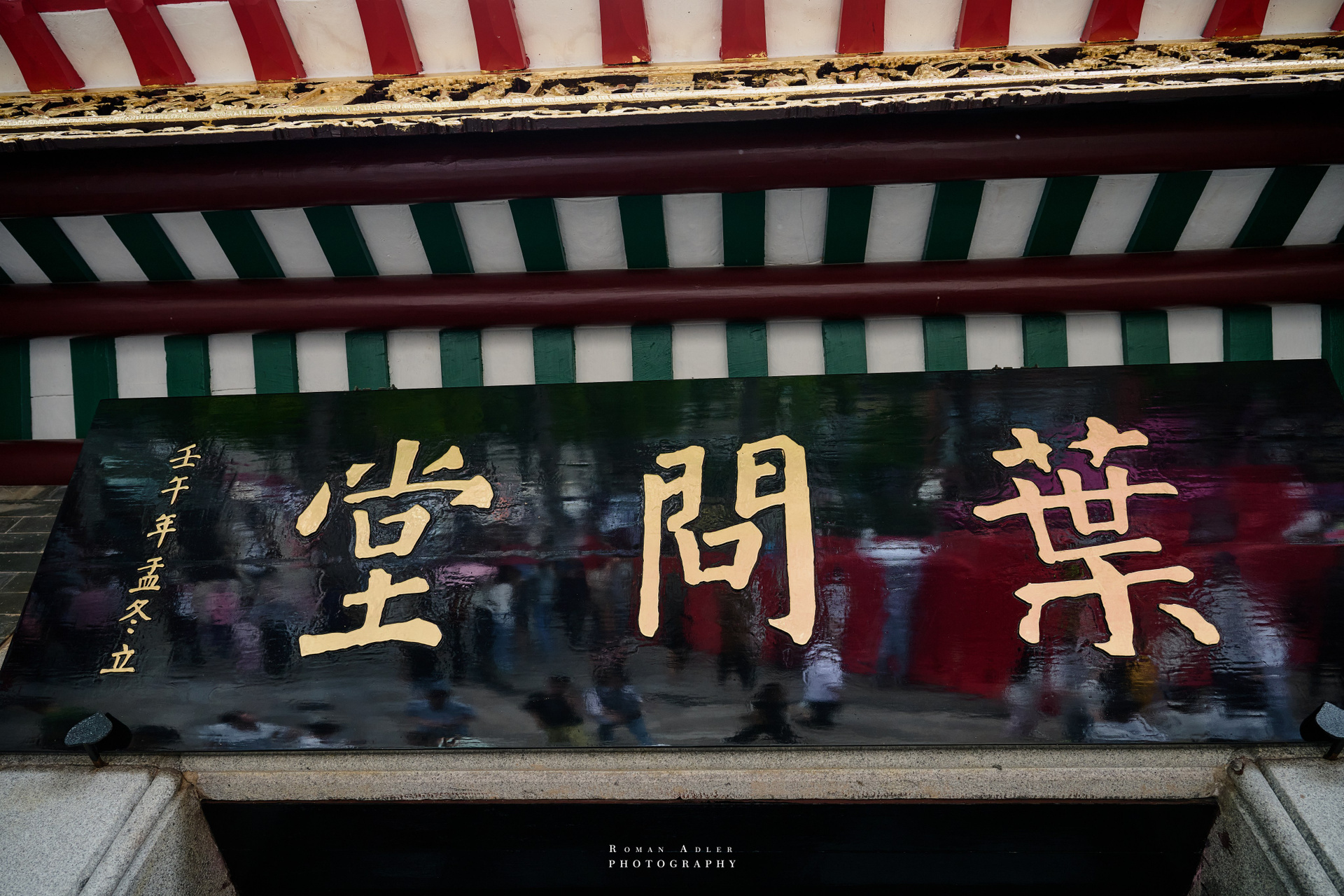
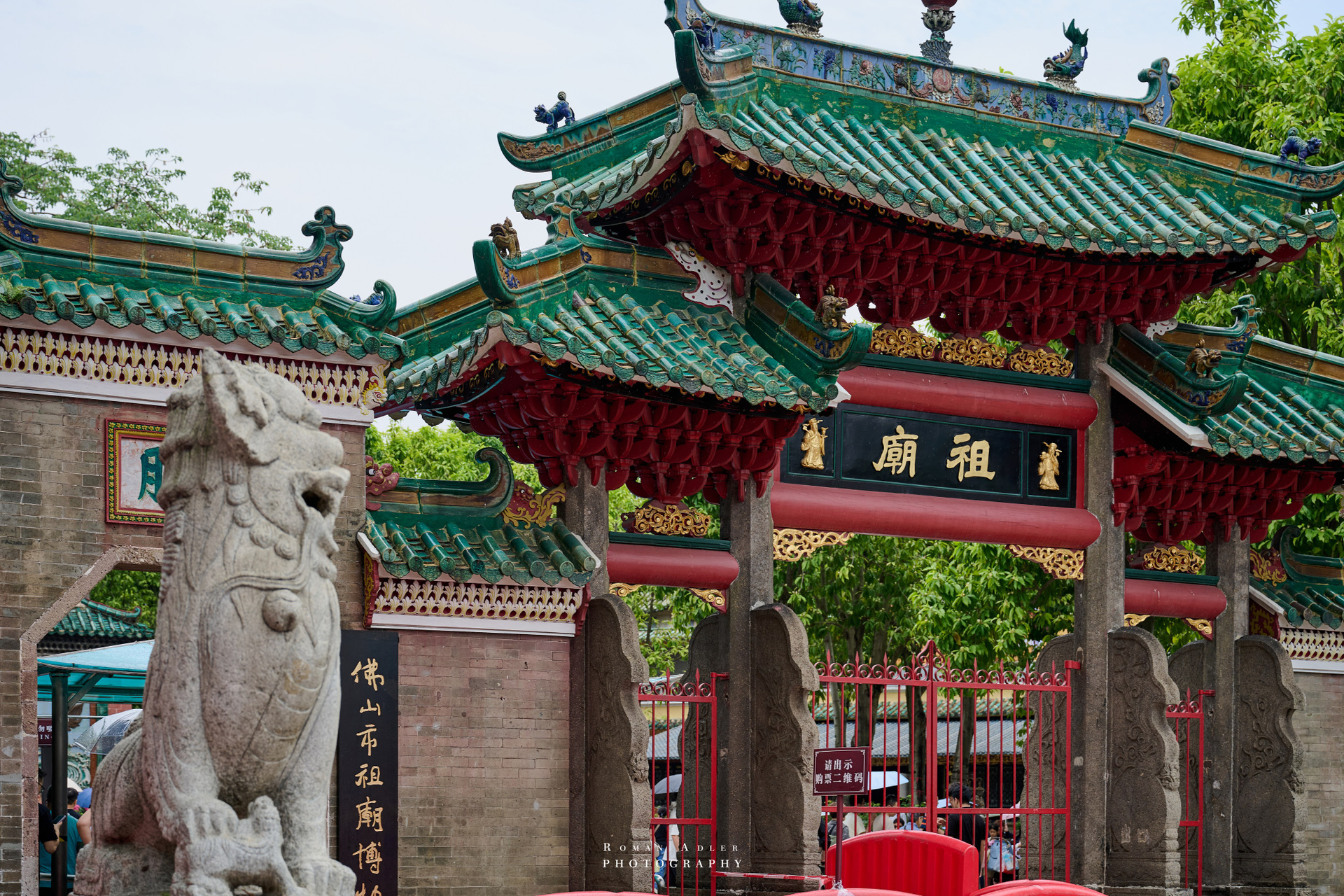
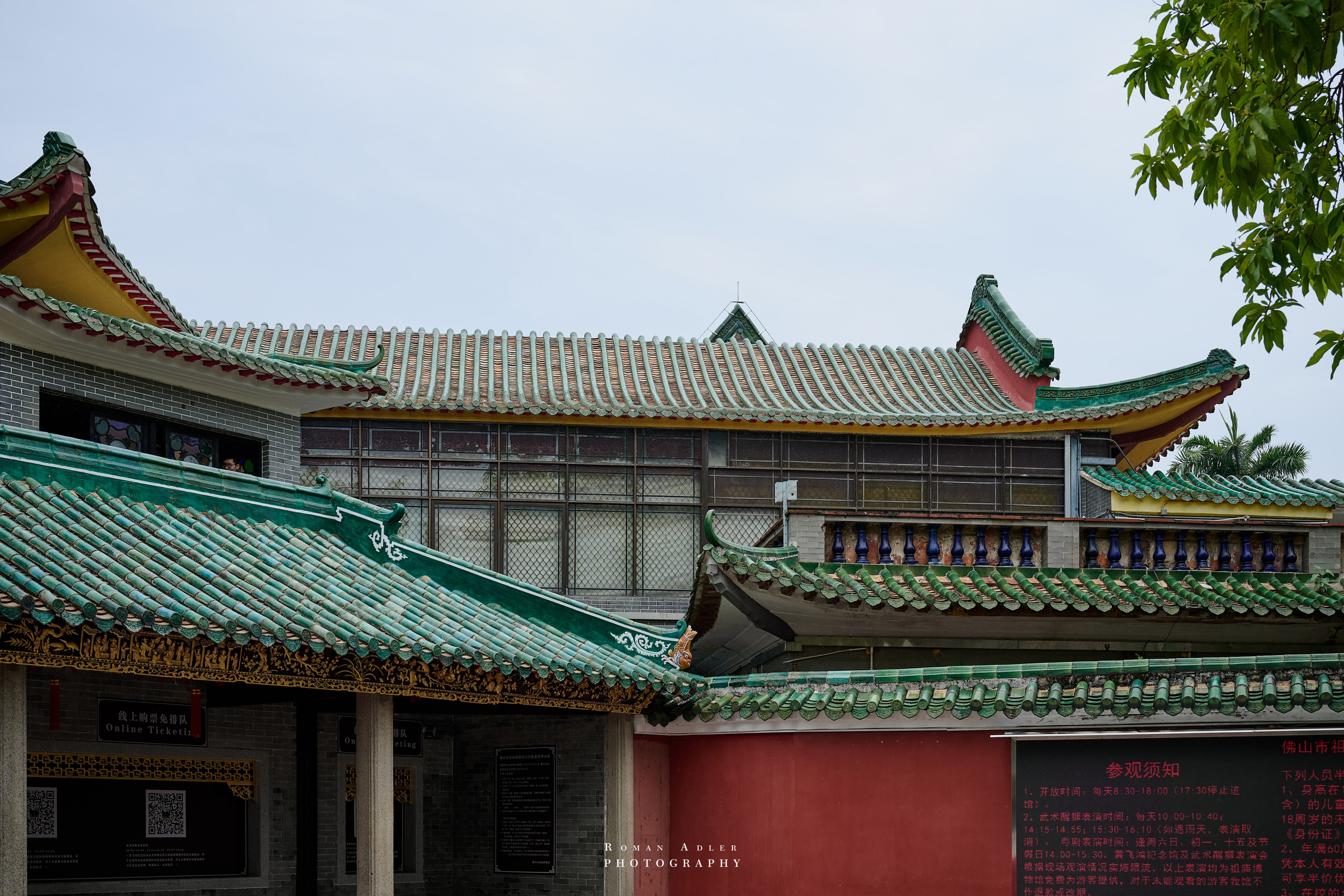
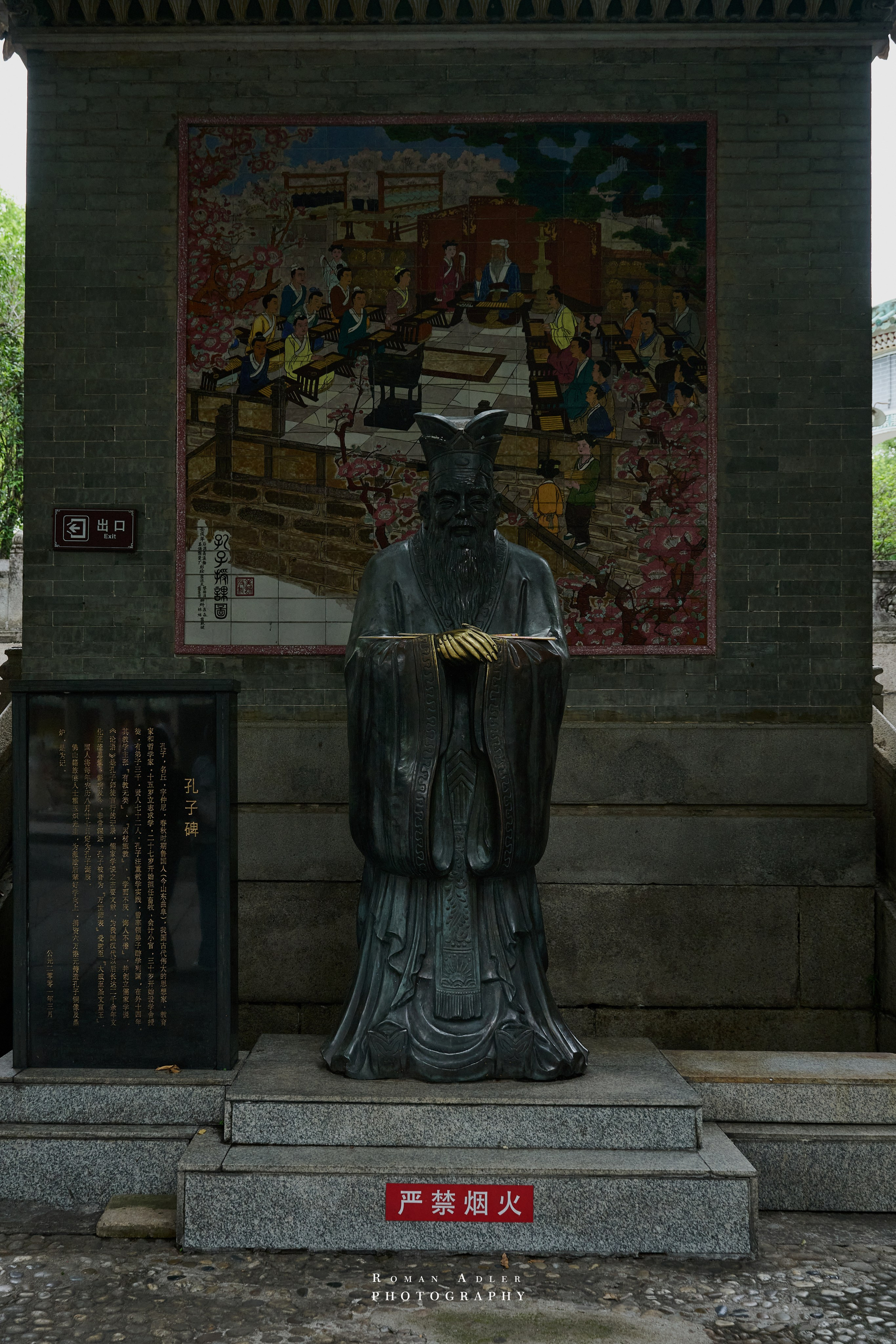
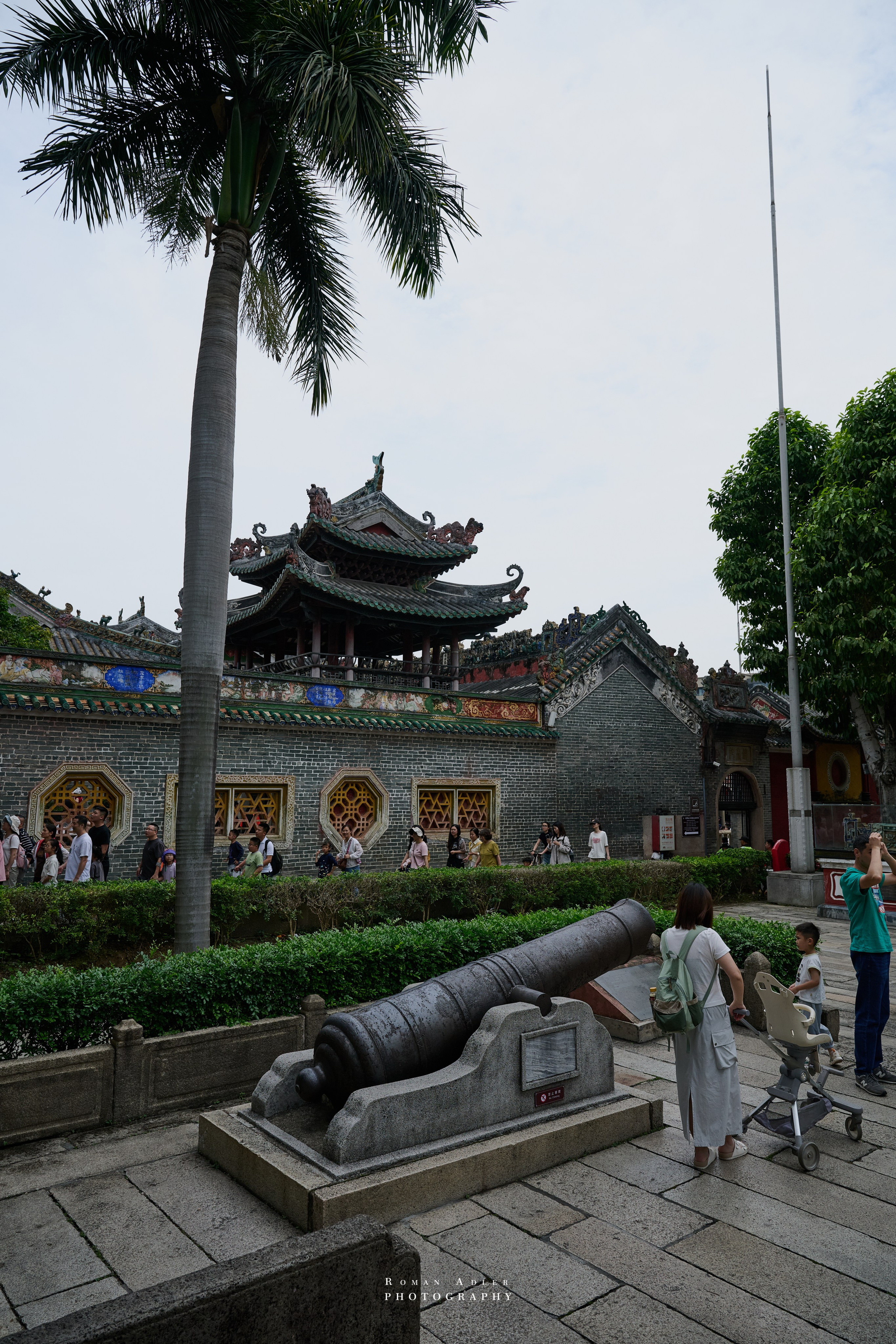
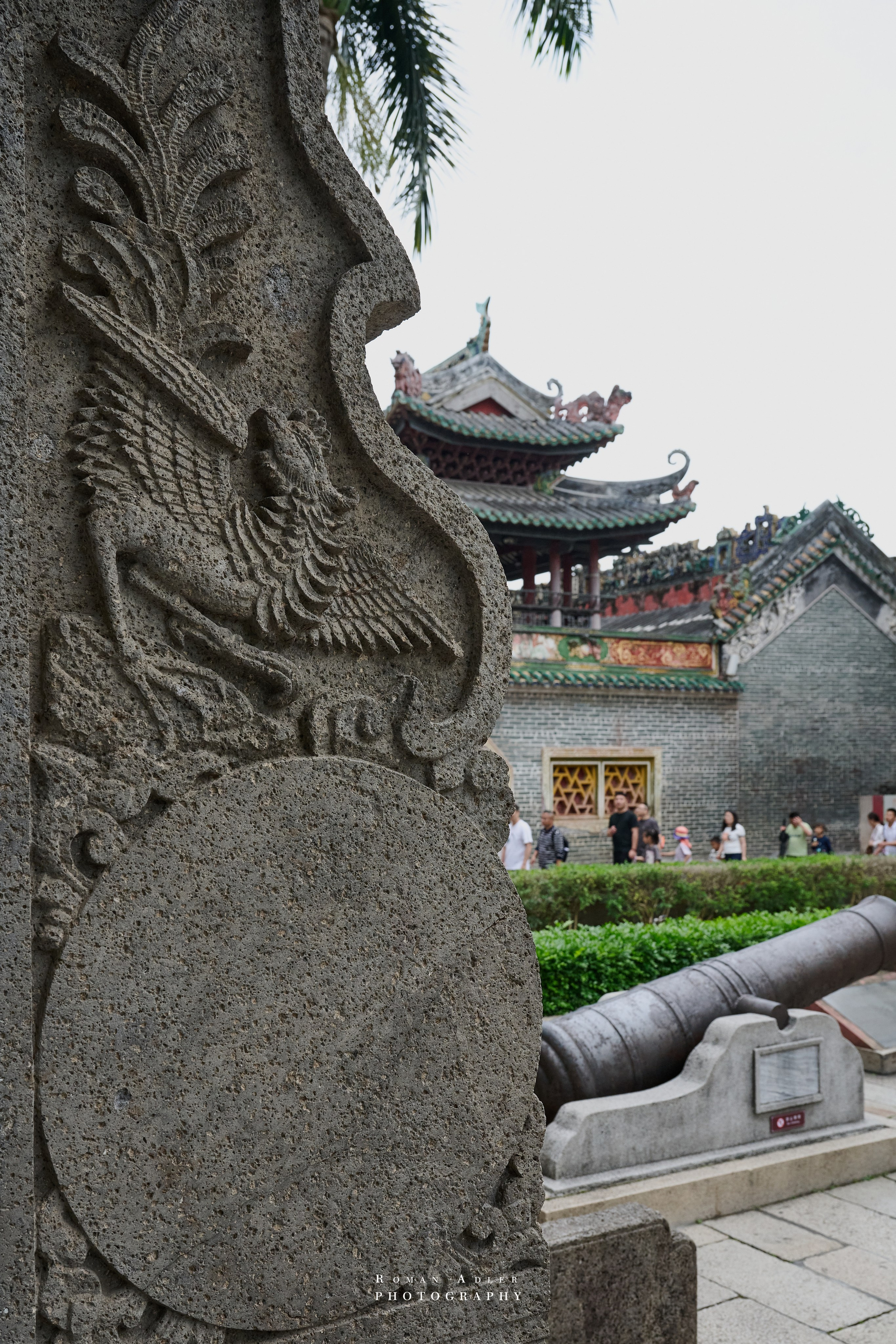
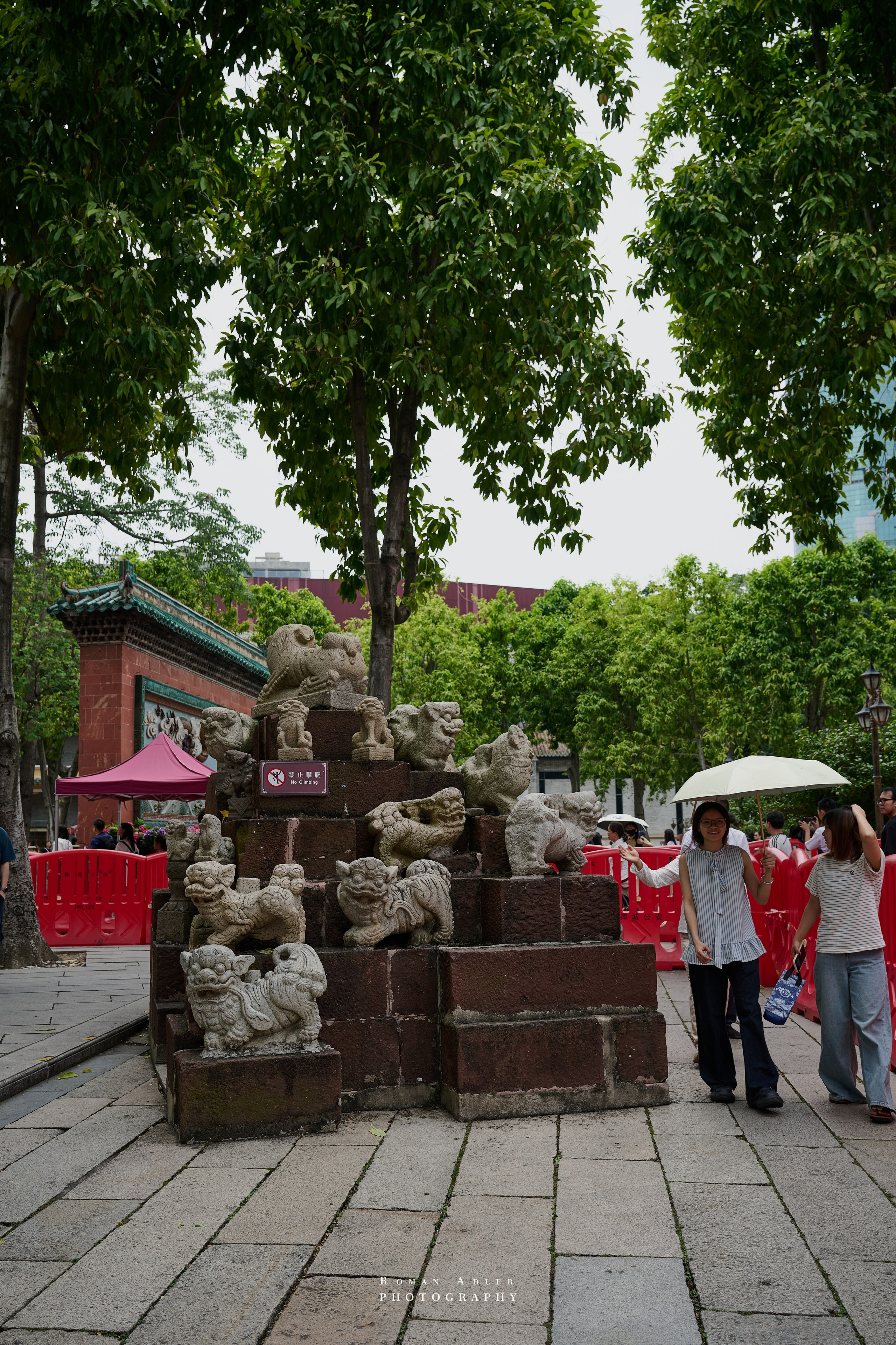
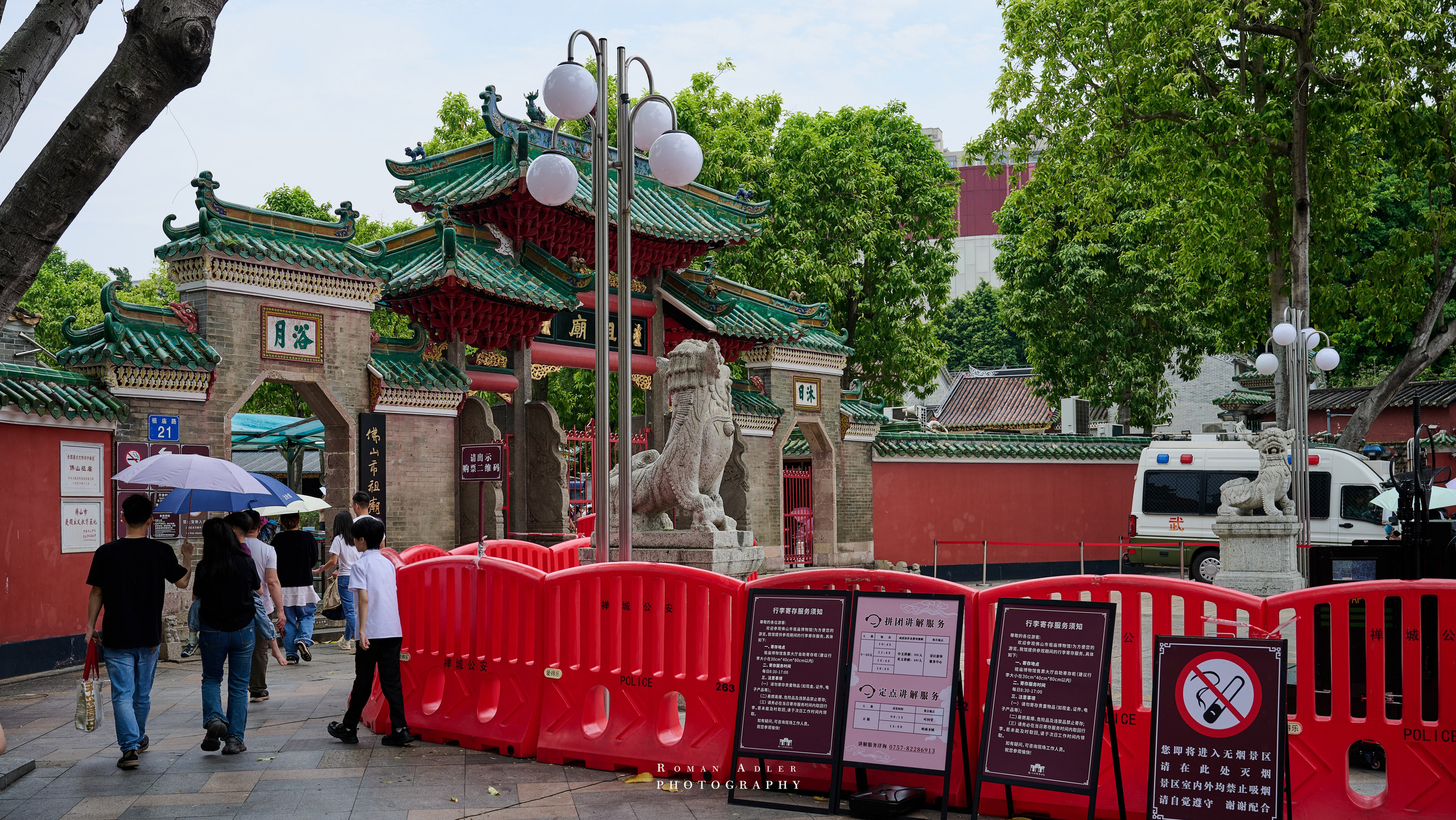
If you’ve ever watched Donnie Yen’s movies and dreamed of tracing the roots of Wing Chun, this is the place for you. Forget about flashy Hollywood sets — here, everything is authentic. In the very heart of Foshan, inside the ancient ancestral temple (Zumiao), lies the Ip Man Memorial Hall (叶问堂) — a place that every martial arts enthusiast simply must visit.
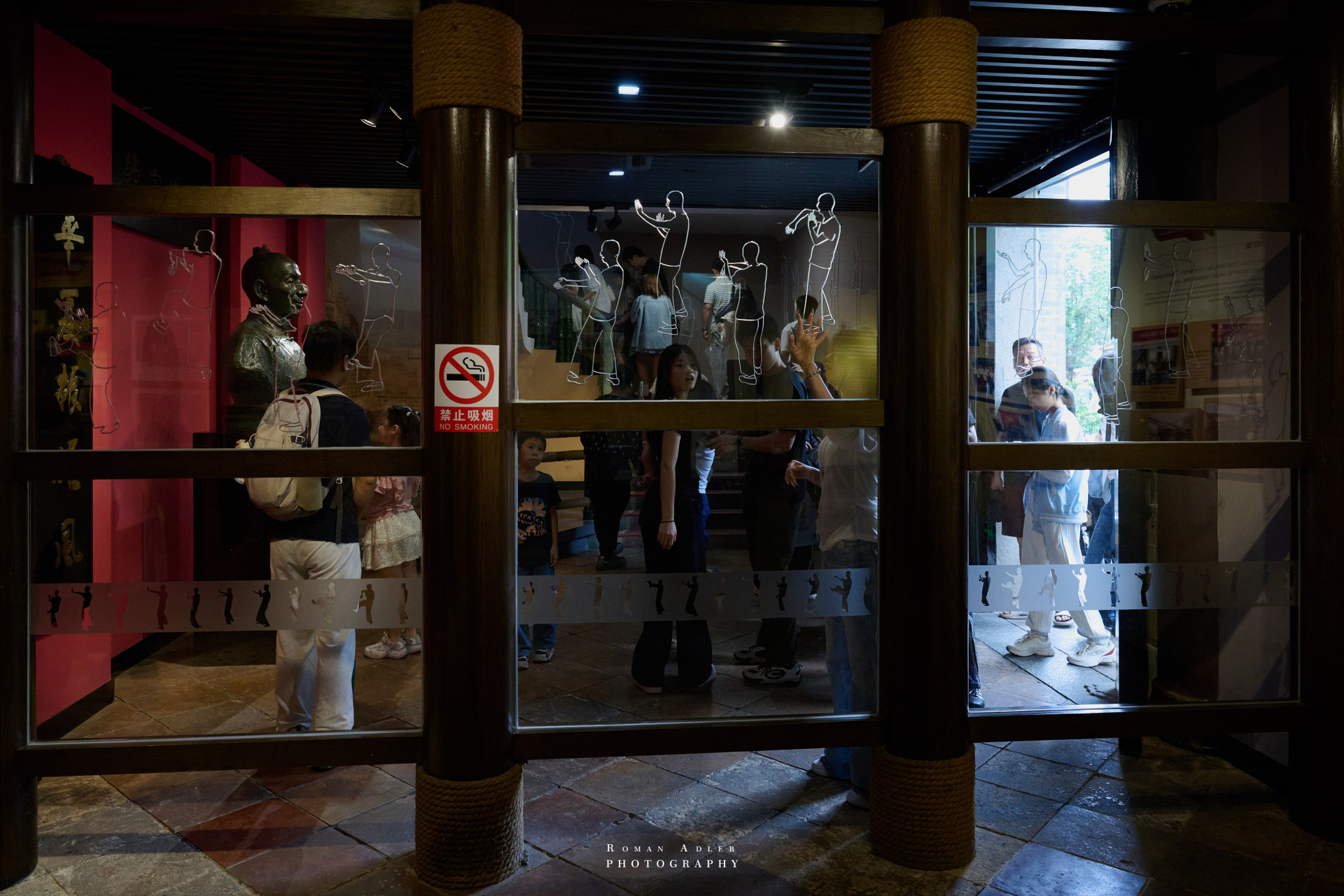
📜 What Is It and Where Is It Located?
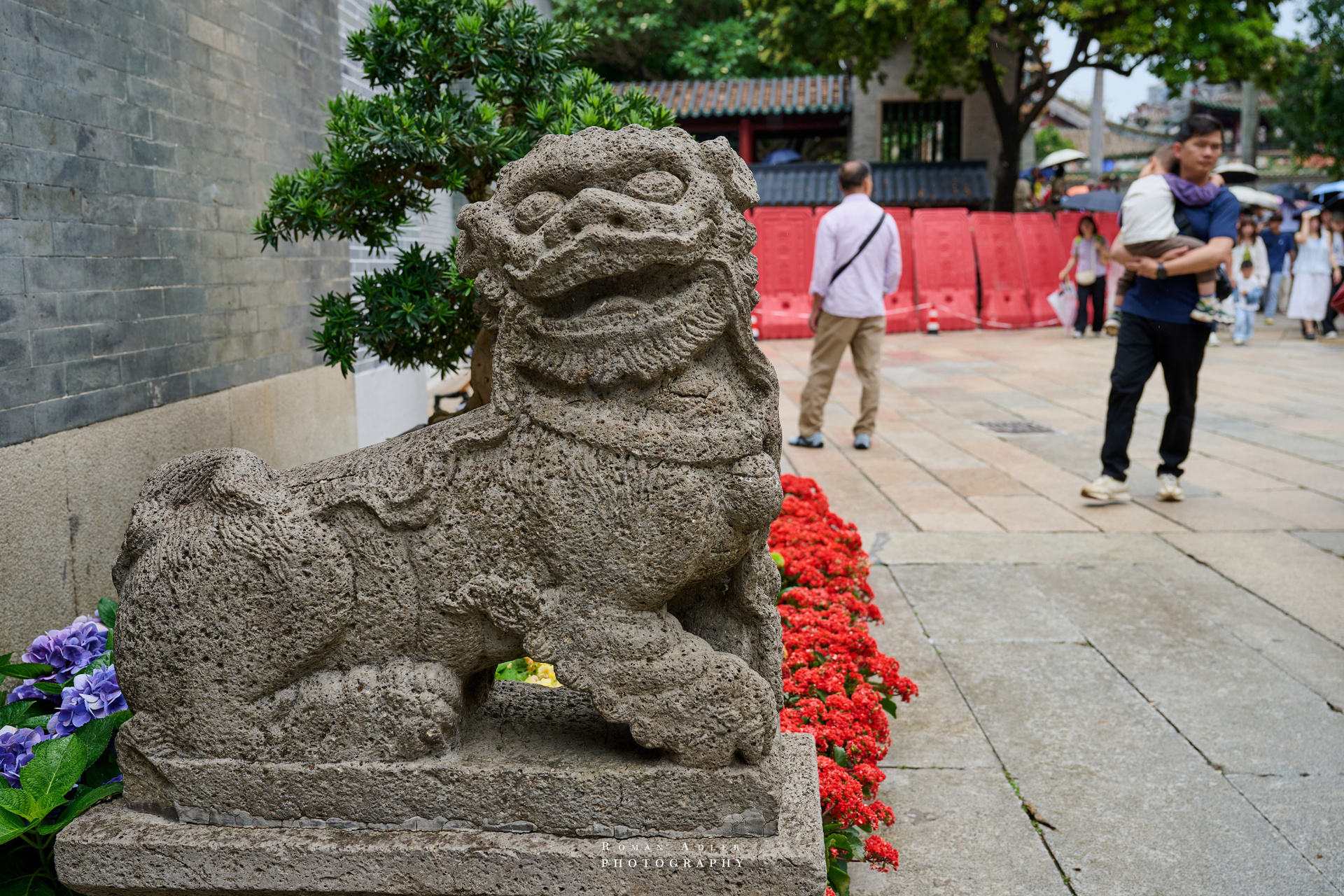
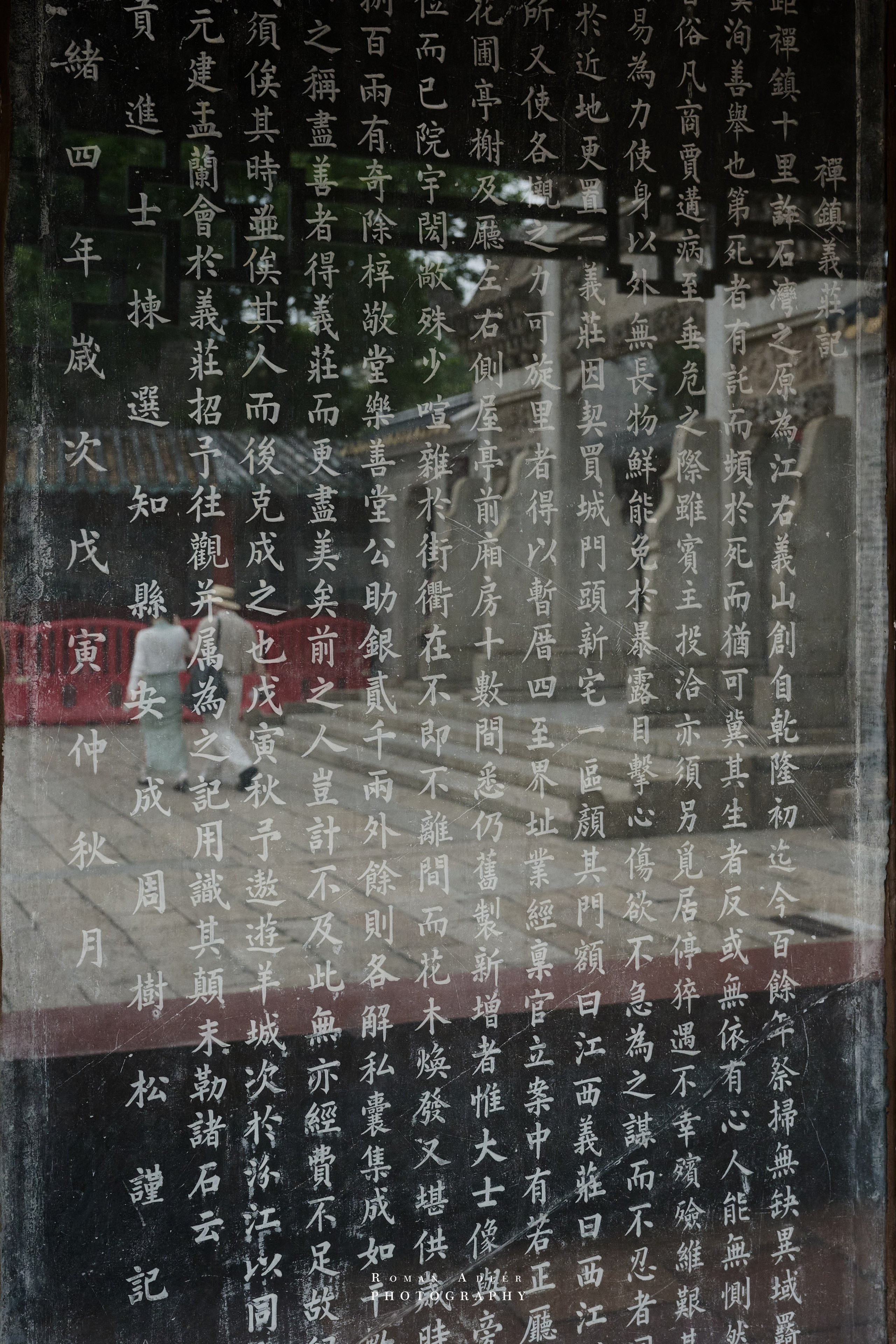
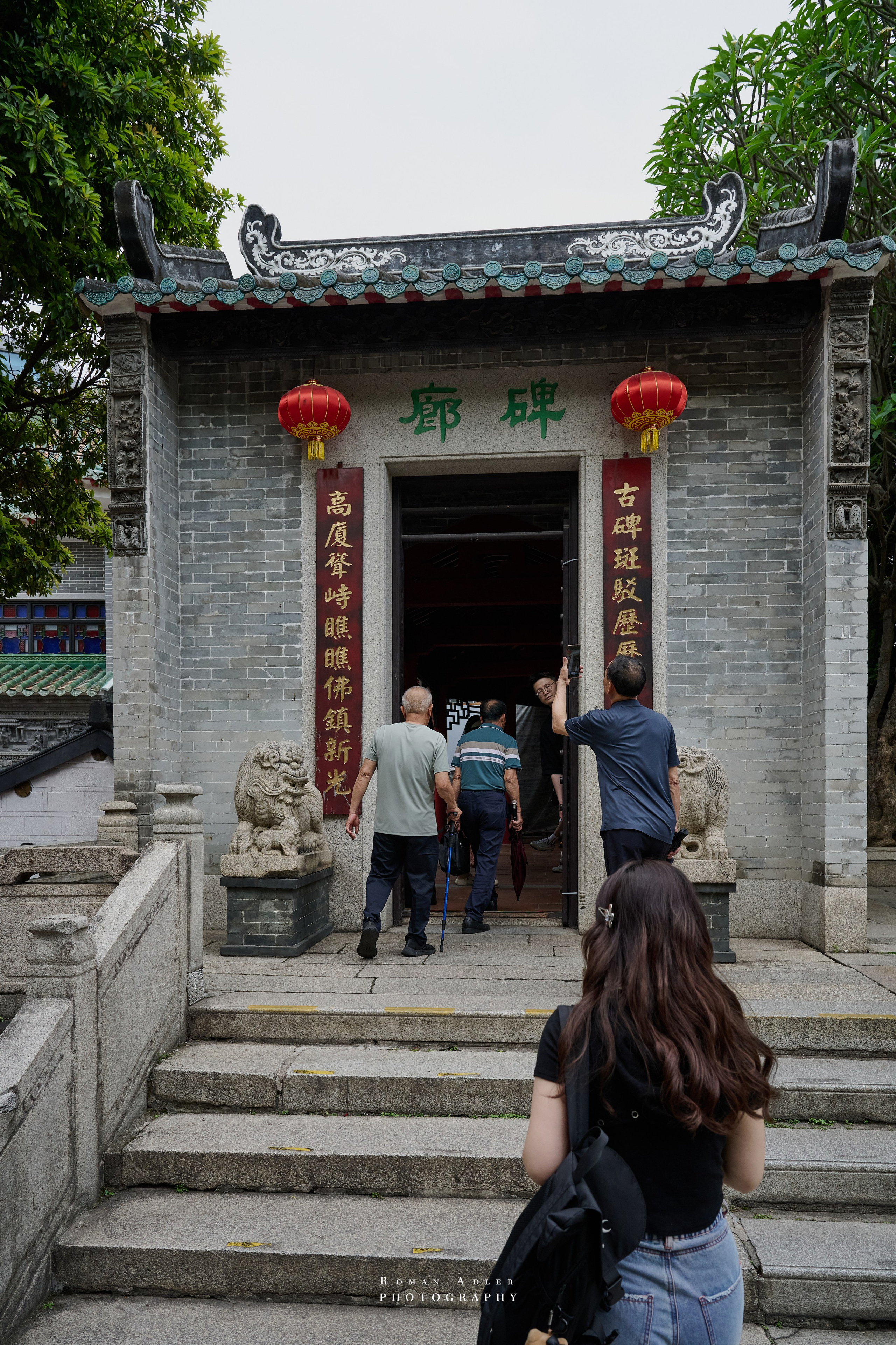
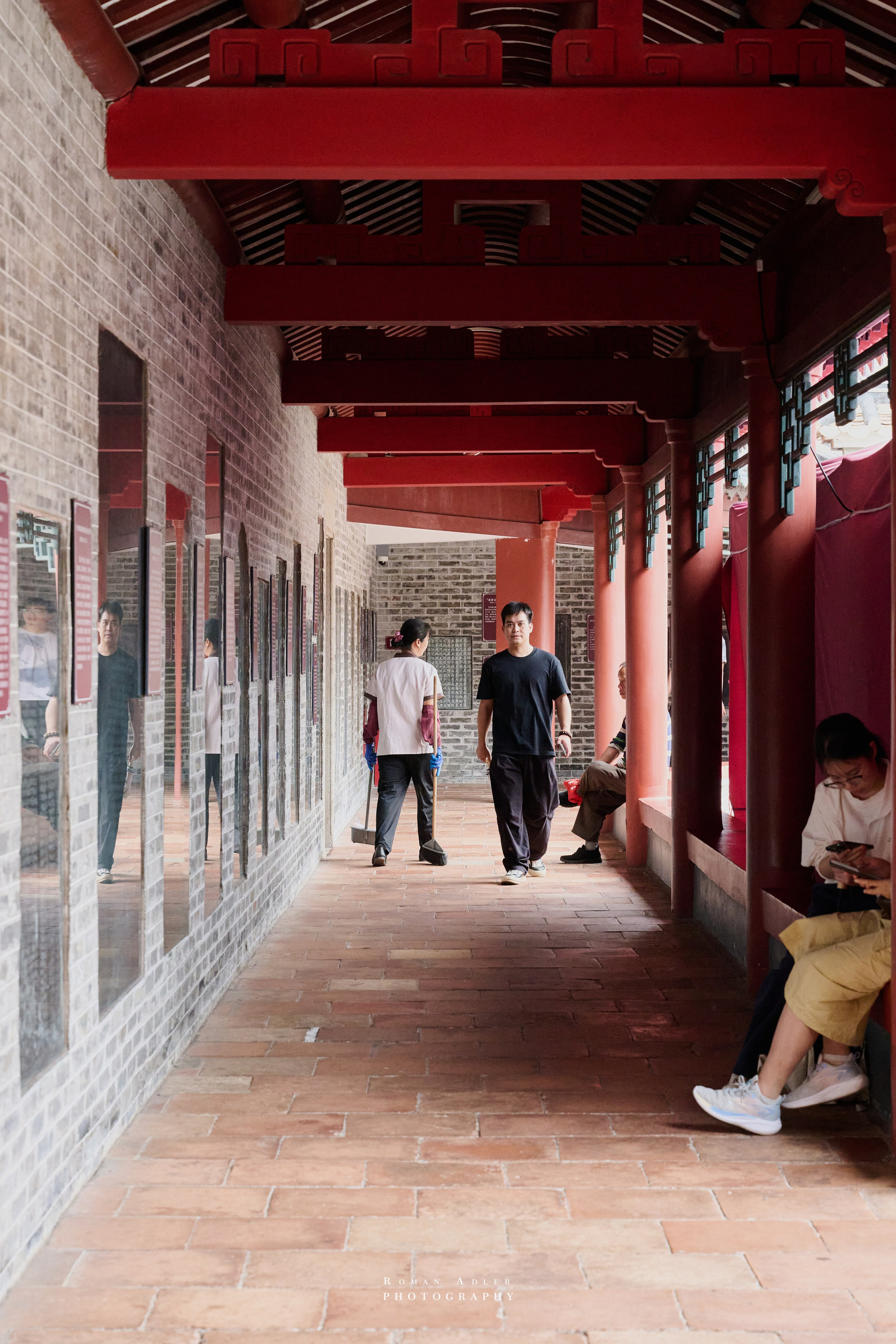
Despite the name, there is no separate “Wing Chun Temple” in the city. The main point of interest is the Ip Man Hall inside the Ancestral Temple Museum (address: Zumiao Road, No. 21, Chancheng District). It first opened back in 2002 and was completely renovated in 2018, transforming it into a modern museum with a historical soul.
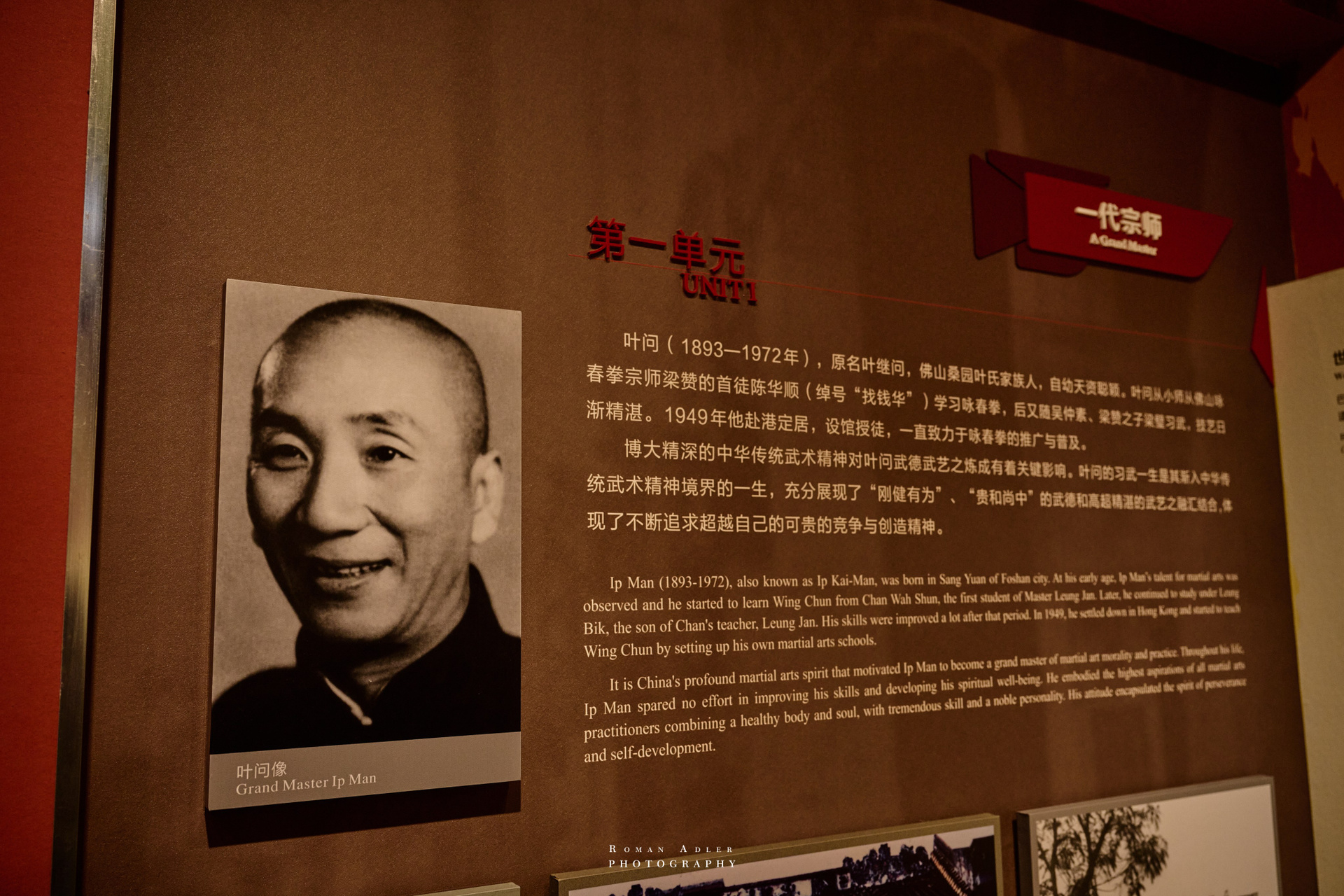
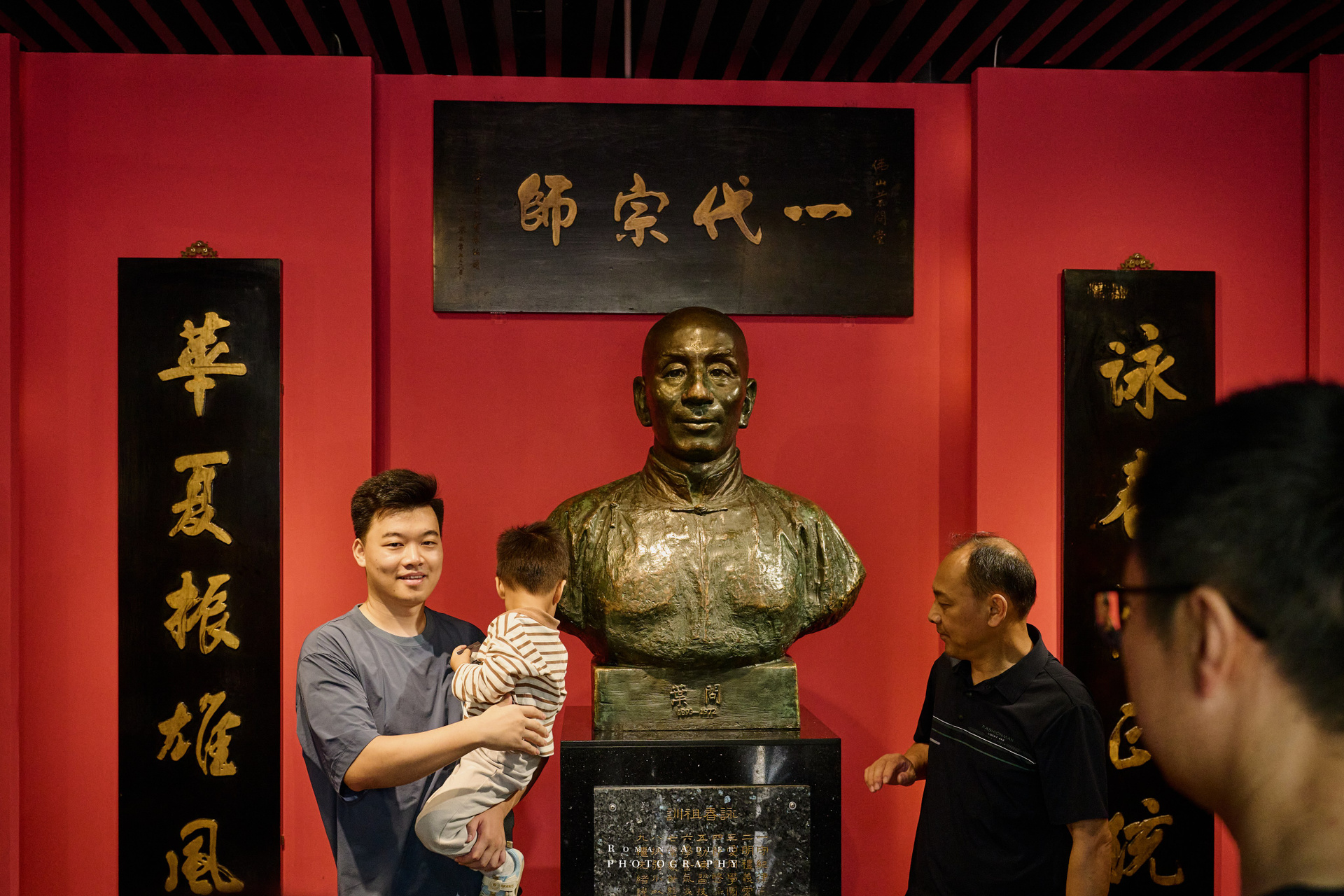
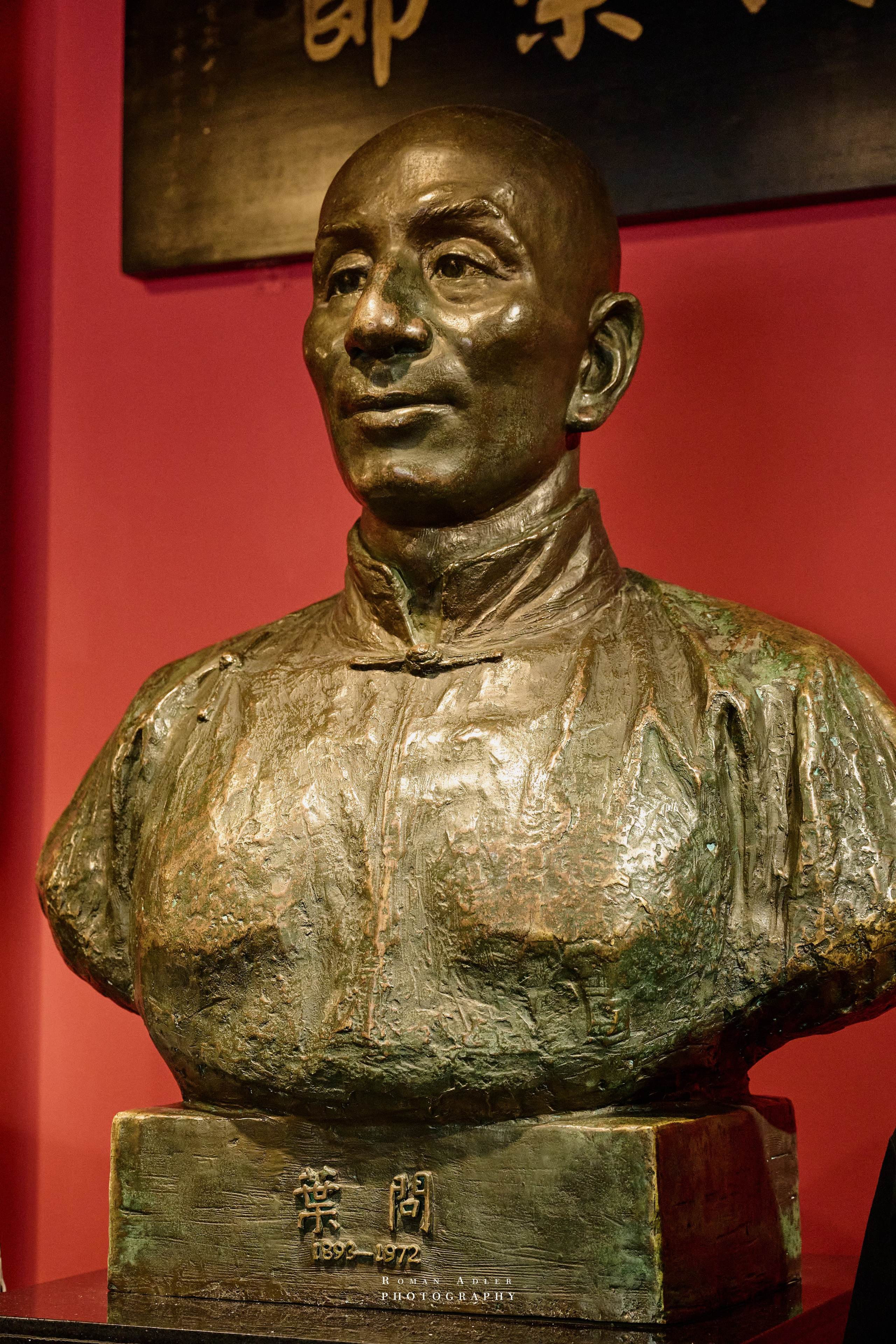
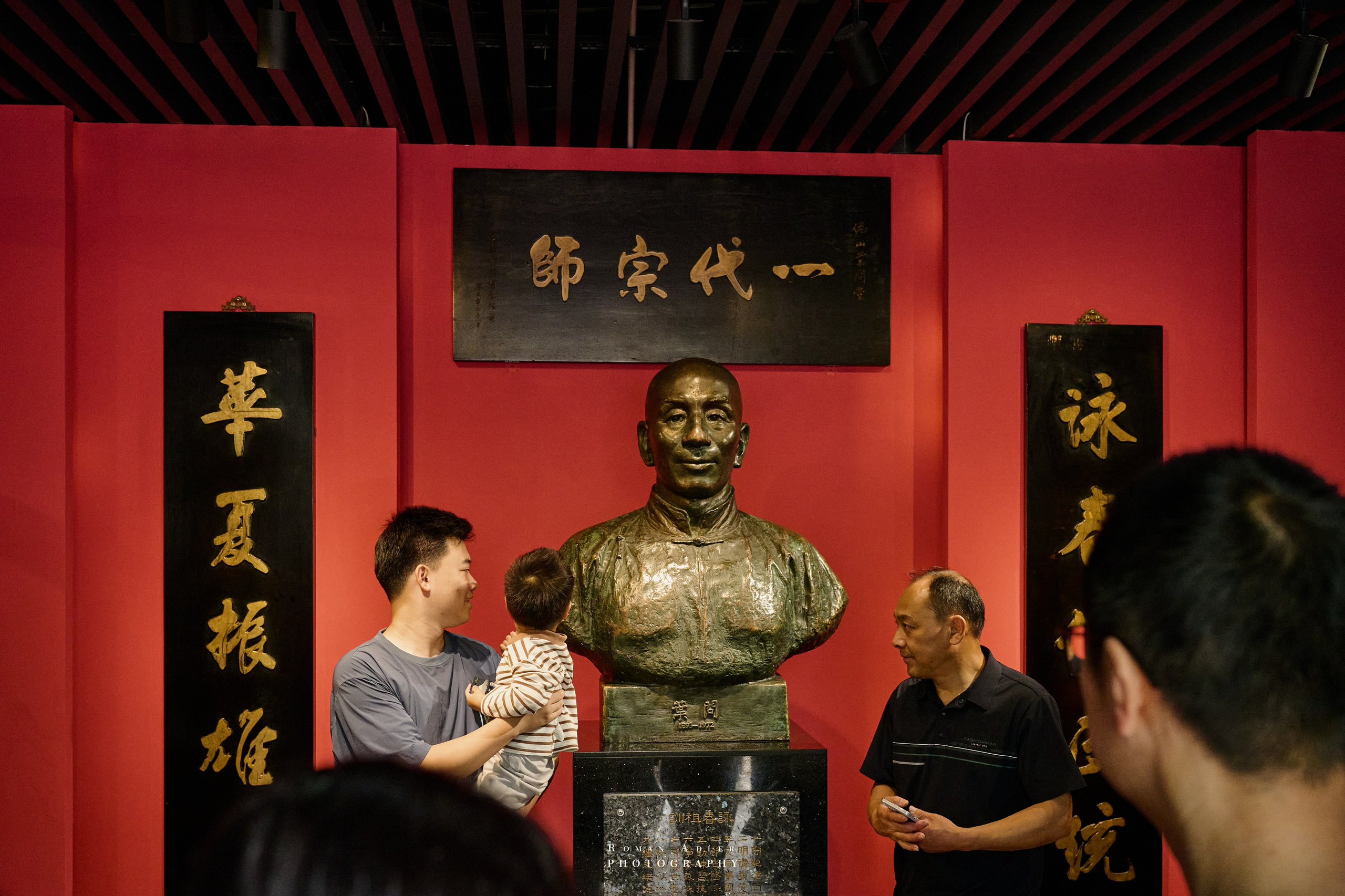
This is not just a hall with photographs. It is a two‑level space of nearly 600 square metres, styled after Qing dynasty architecture. Right at the entrance, you are greeted by a bronze bust of the master and the characters “一代宗师” (The Great Master).
👊 What to See First?
1. Personal Belongings and “That Very” Wooden Dummy
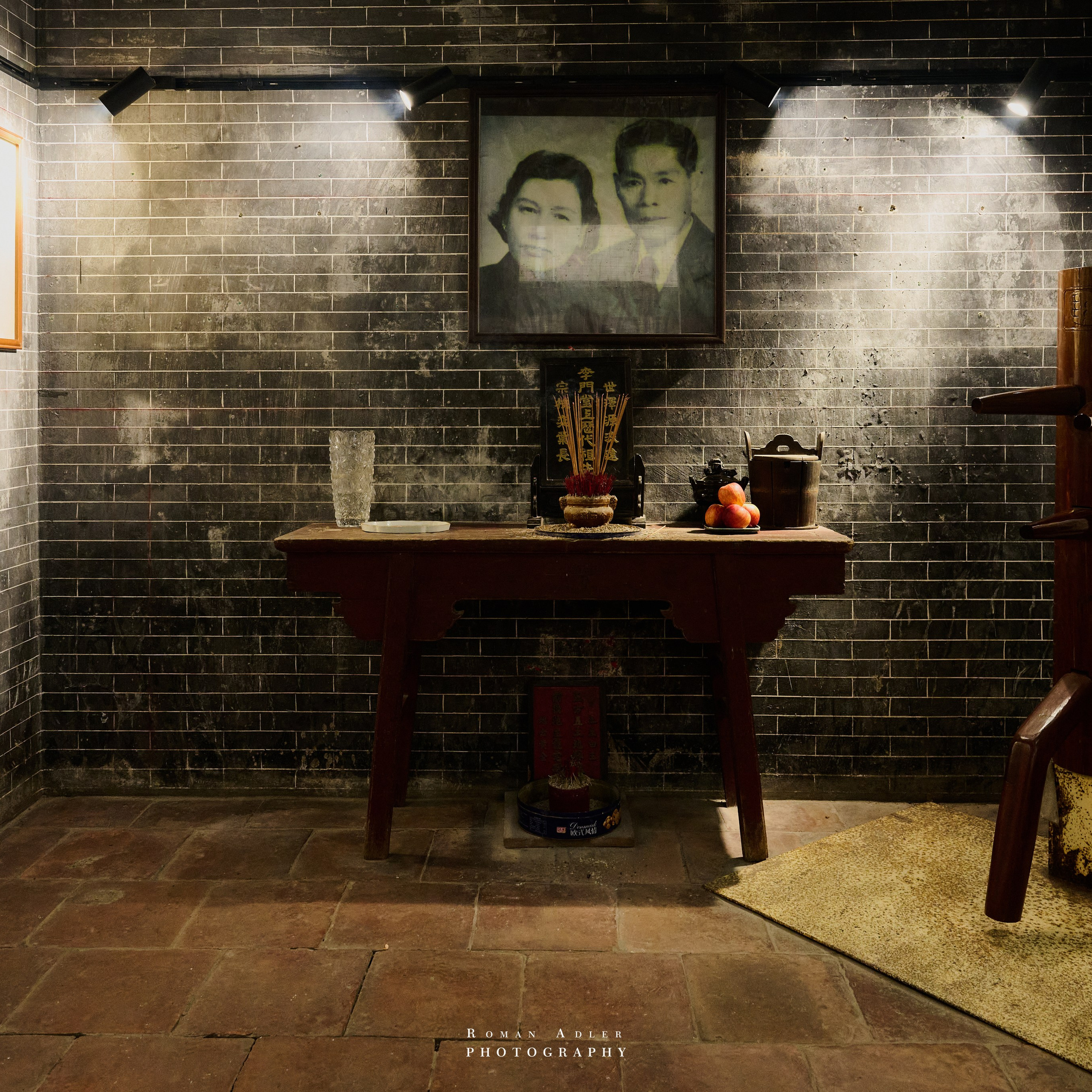
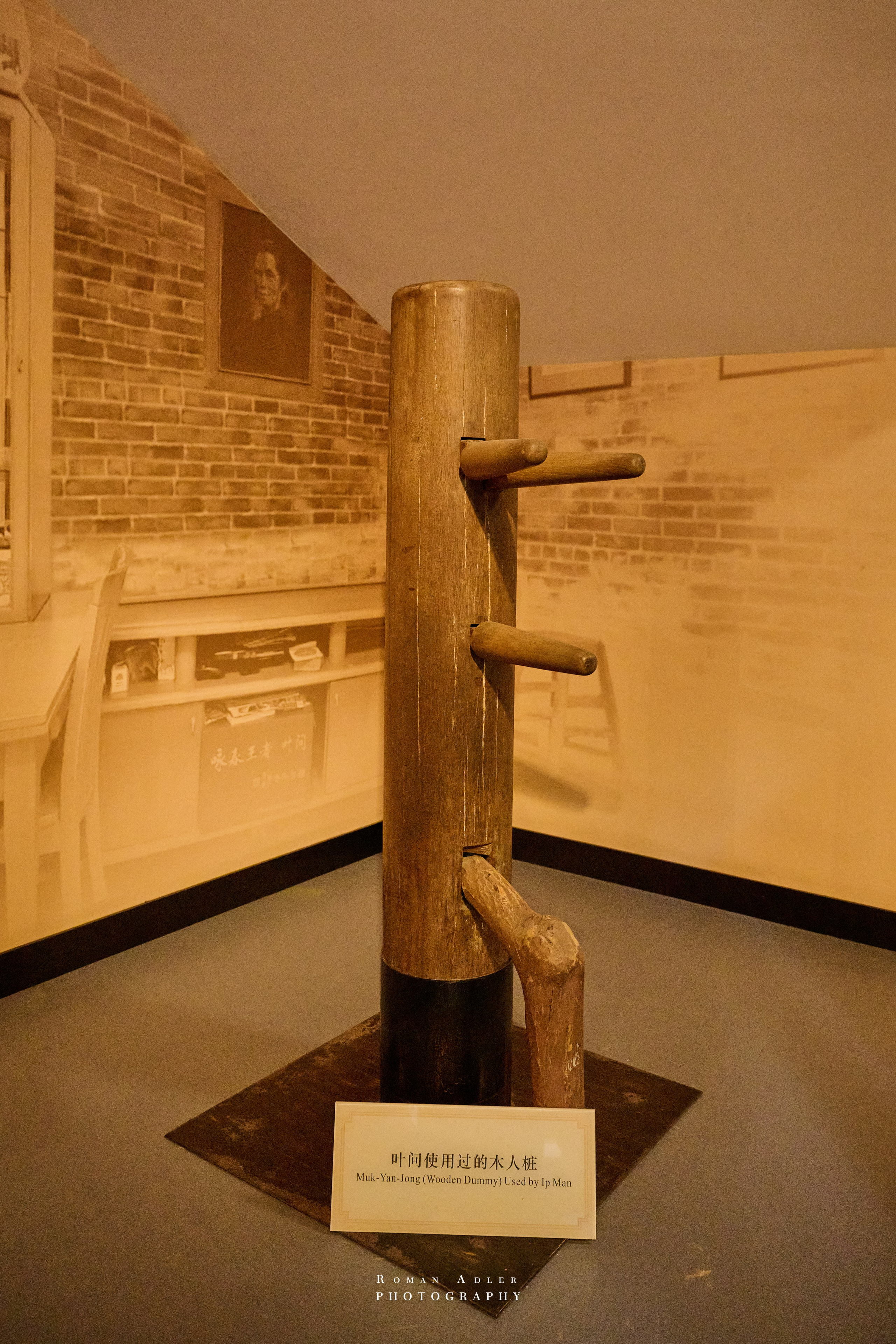
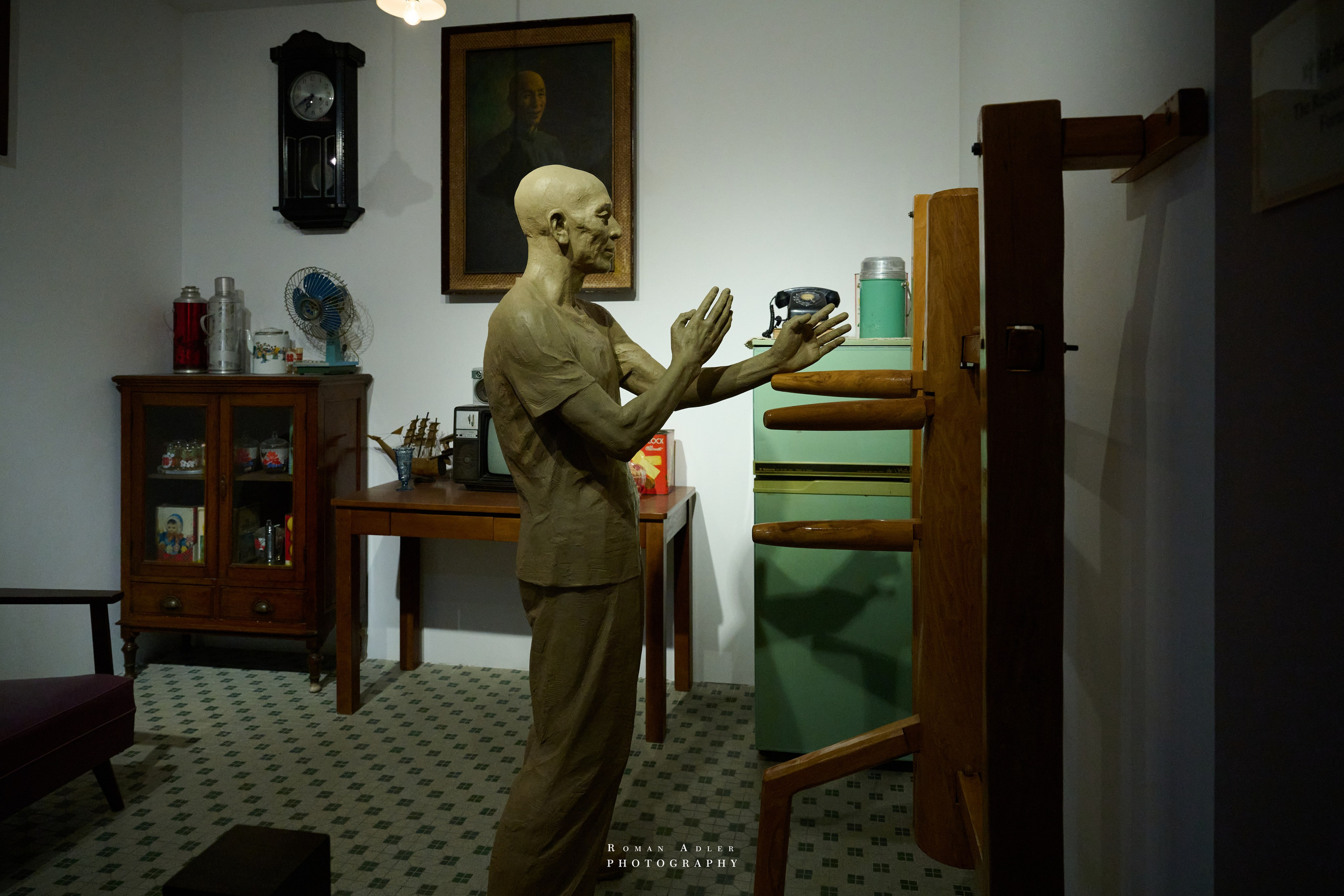
In the display cases are authentic items belonging to Ip Man: his shoes, training bag, and most importantly — the legendary wooden dummy (Muk Yan Jong). You can see the marks left by thousands of strikes on it — this is the very energy of old-school kung fu that cannot be replicated.
2. The 1960s Hong Kong Studio
Head upstairs to the second floor. There, an exact replica of the master’s 1960s Hong Kong room has been recreated — the place where he lived and taught. The interior was reconstructed based on the memories of Ip Man’s son, Ip Chun, which gives it an incredibly vivid atmosphere.
3. Secret Weapons and Rare Footage
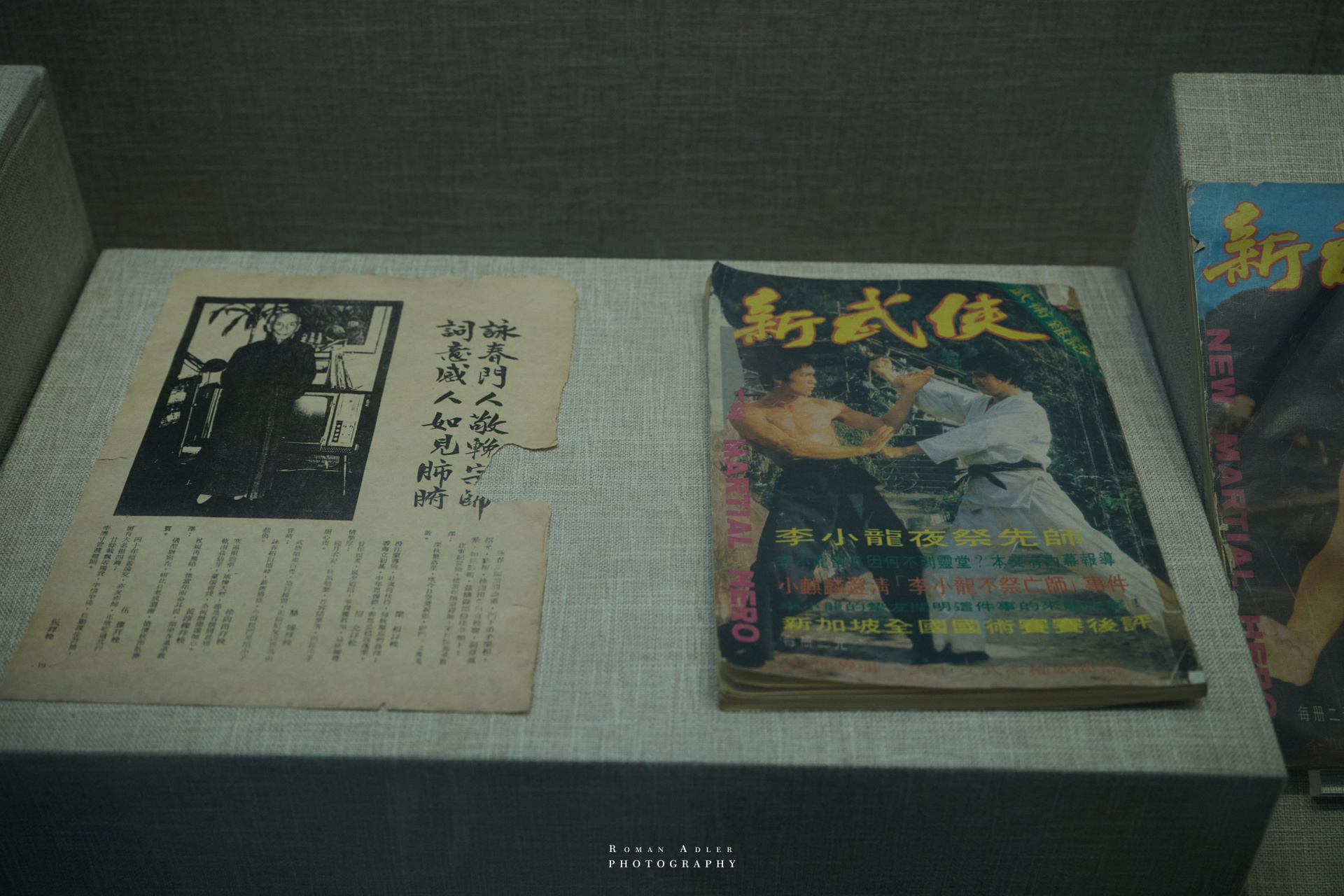
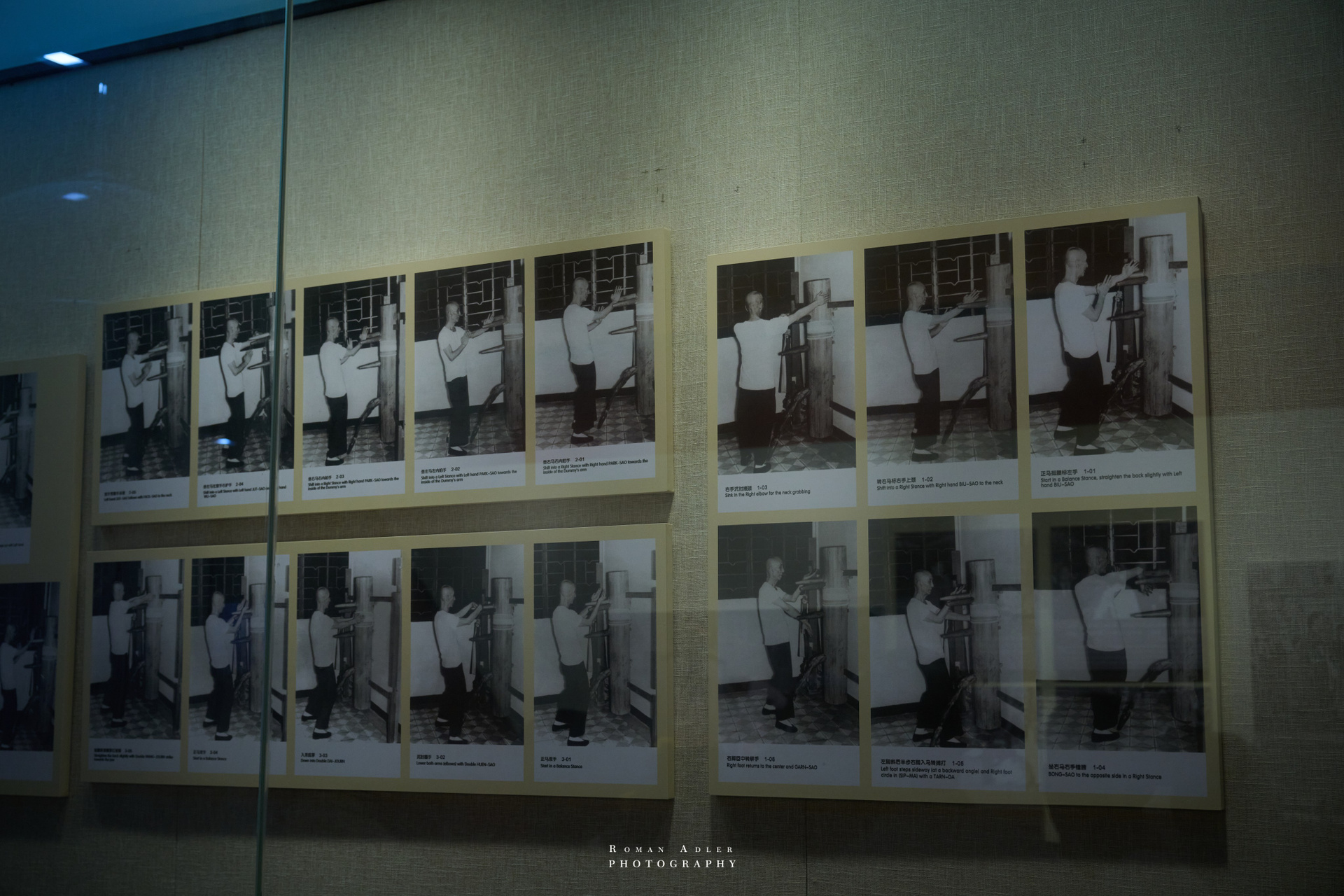
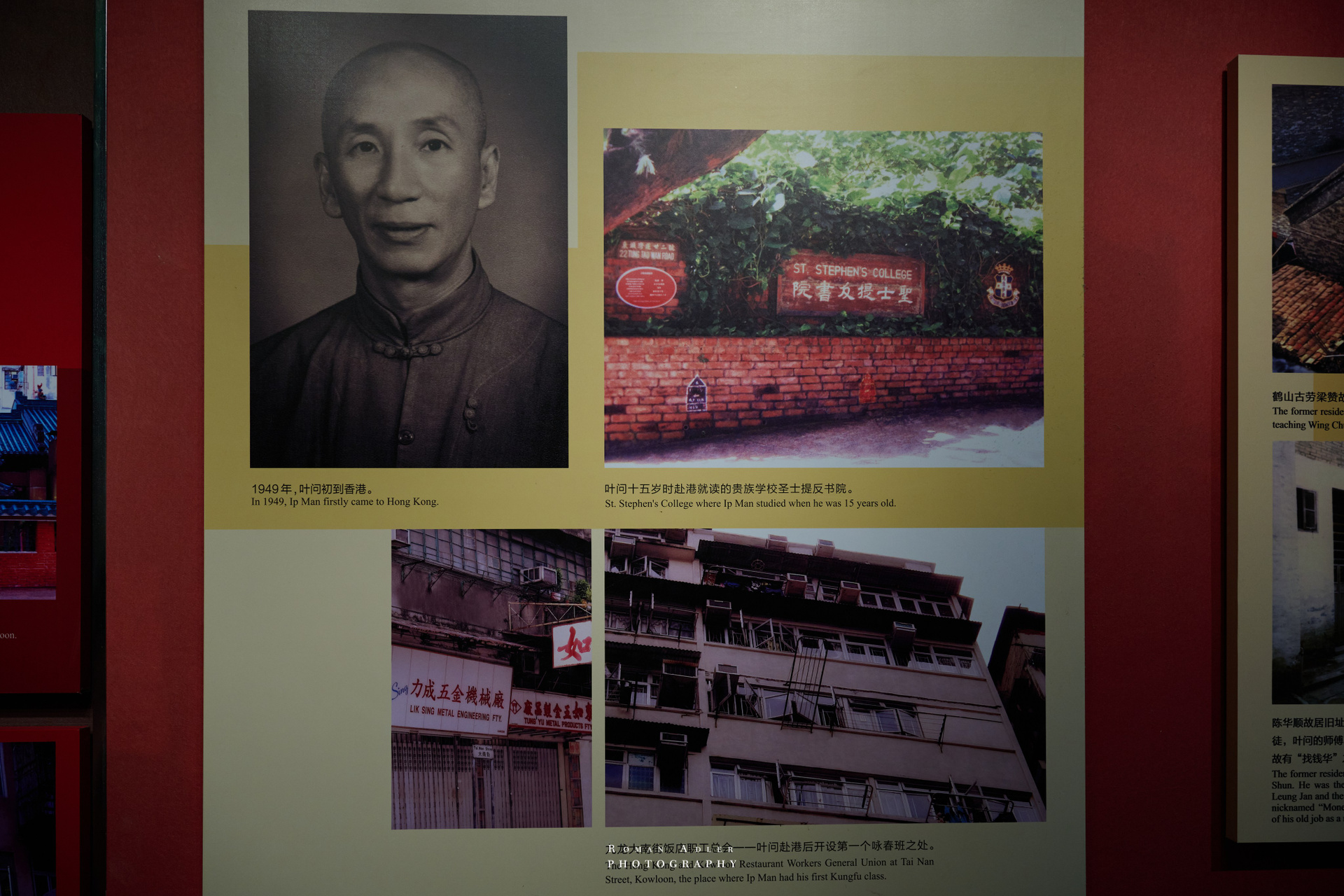
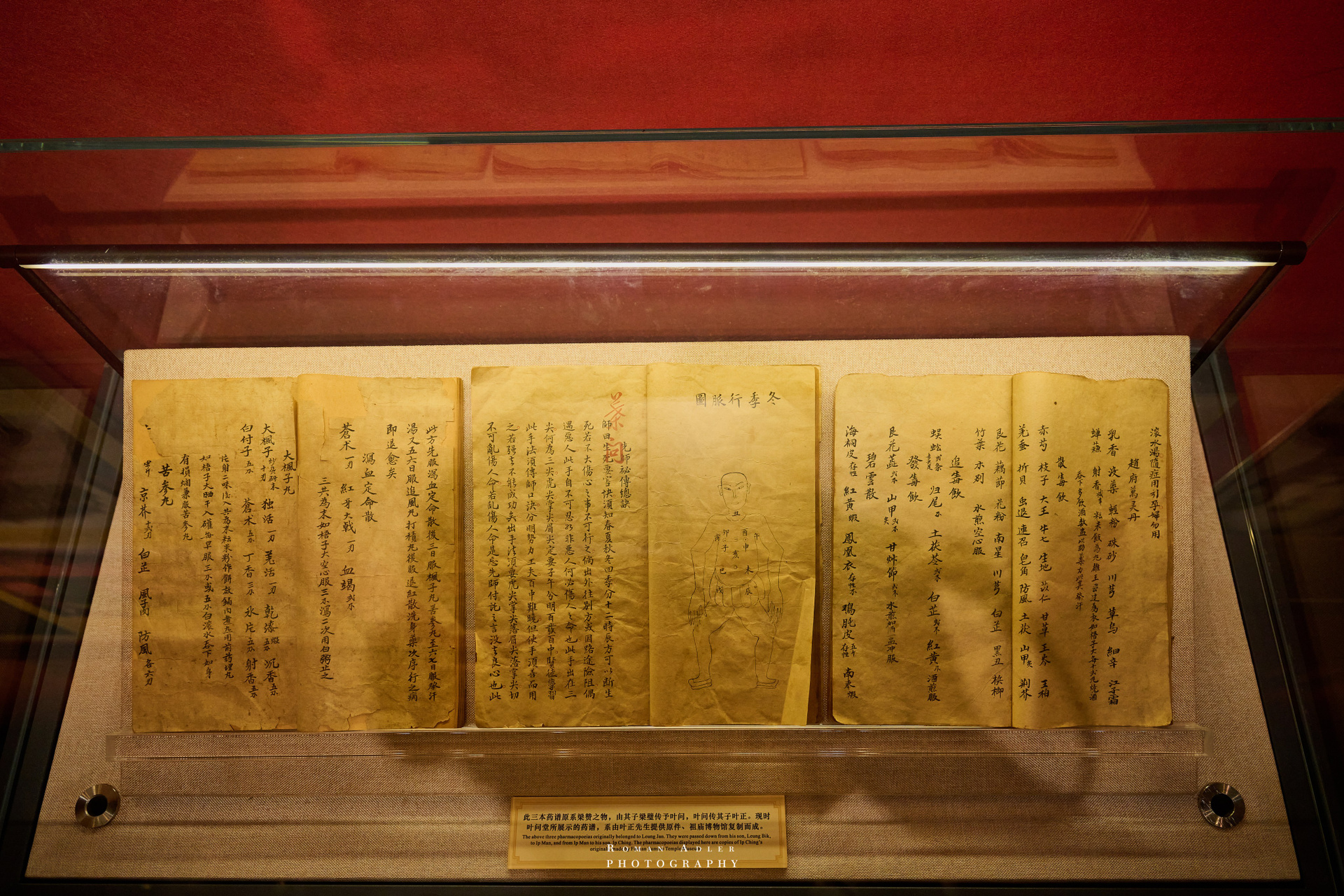
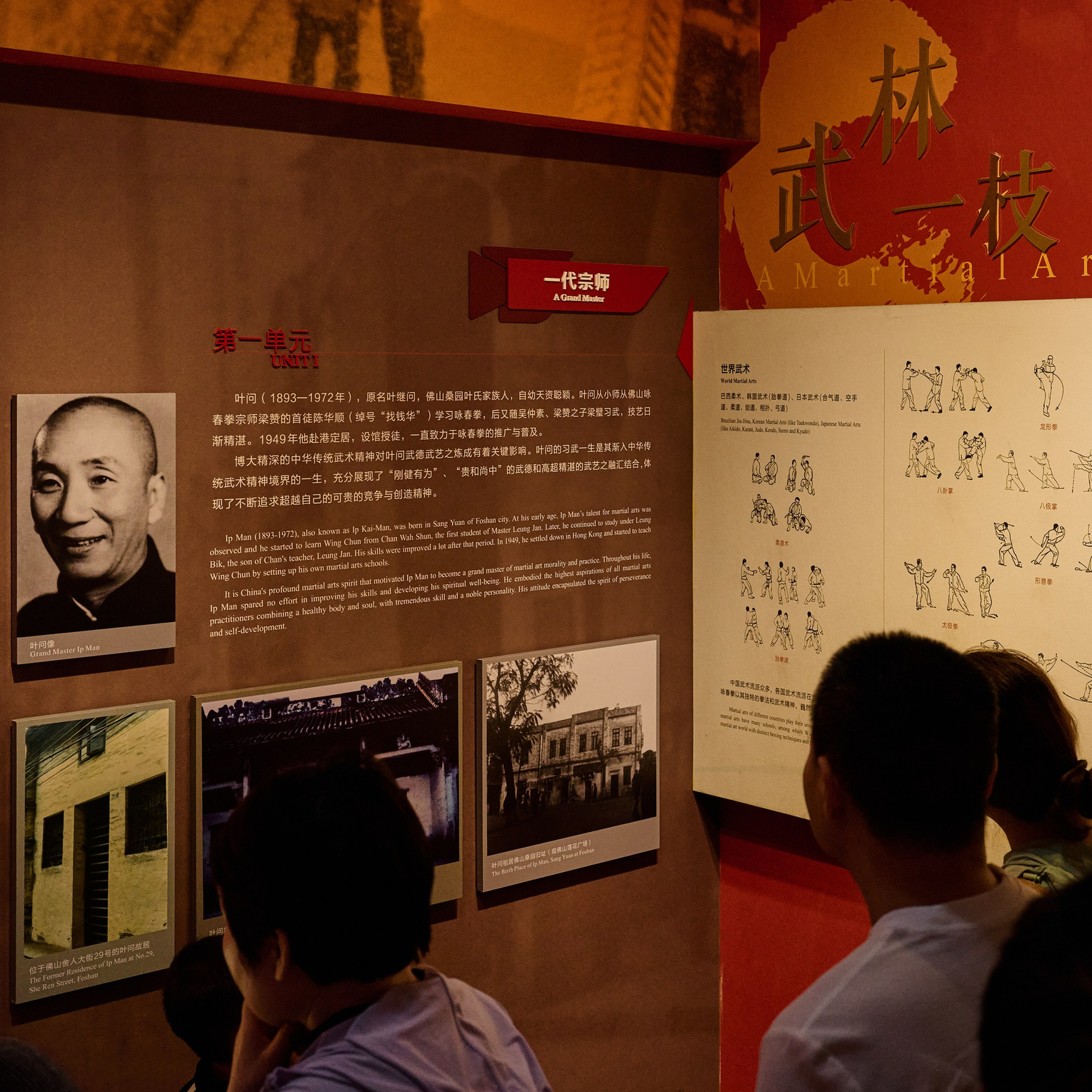
Here you can also see the famous butterfly knives (Baat Jaam Do) and the long pole (Luk Dim Boon Gwun), complete with detailed application diagrams. In addition — over 250 rare photographs and documents, including complete Wing Chun technique charts that were once passed on by the master’s family.
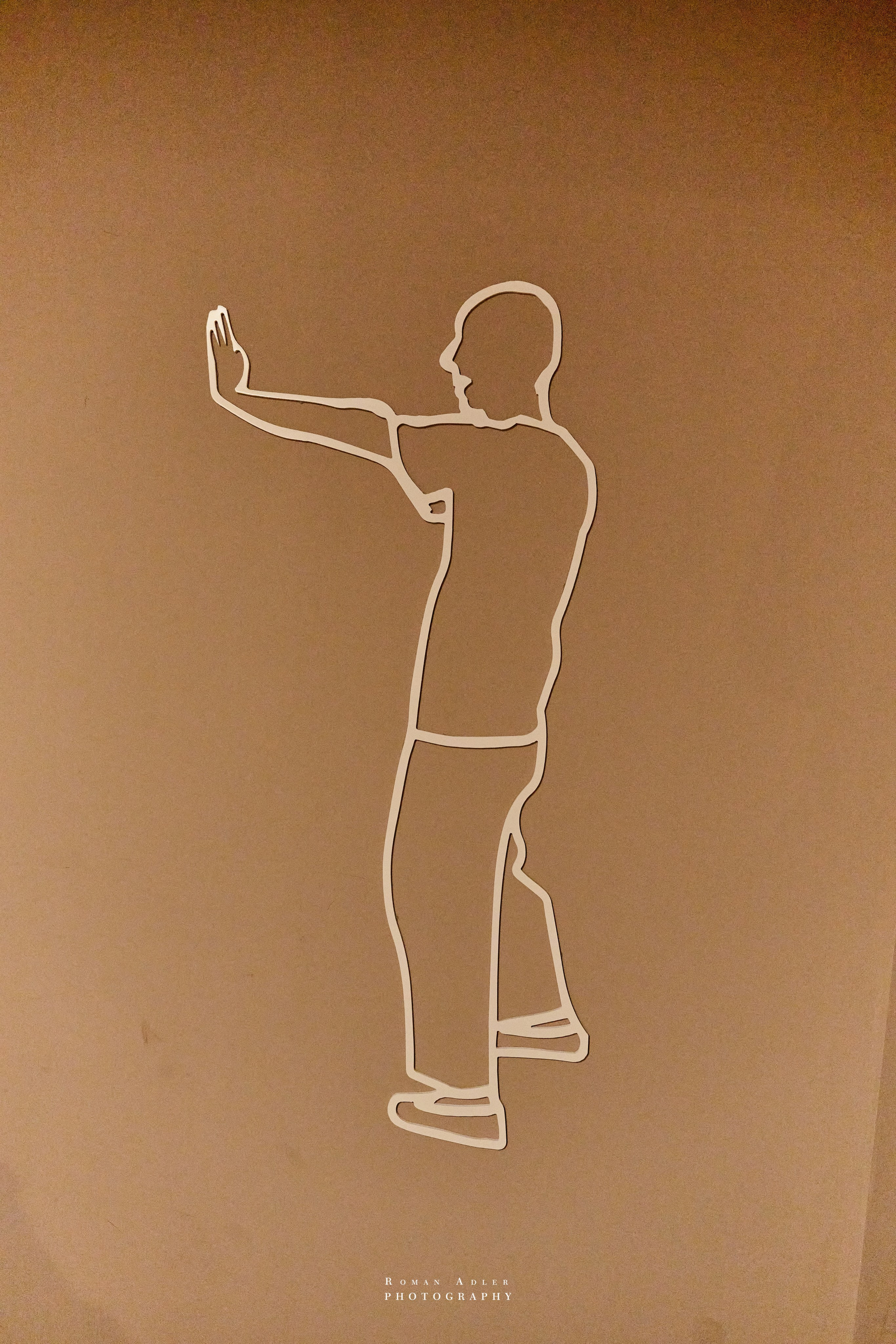
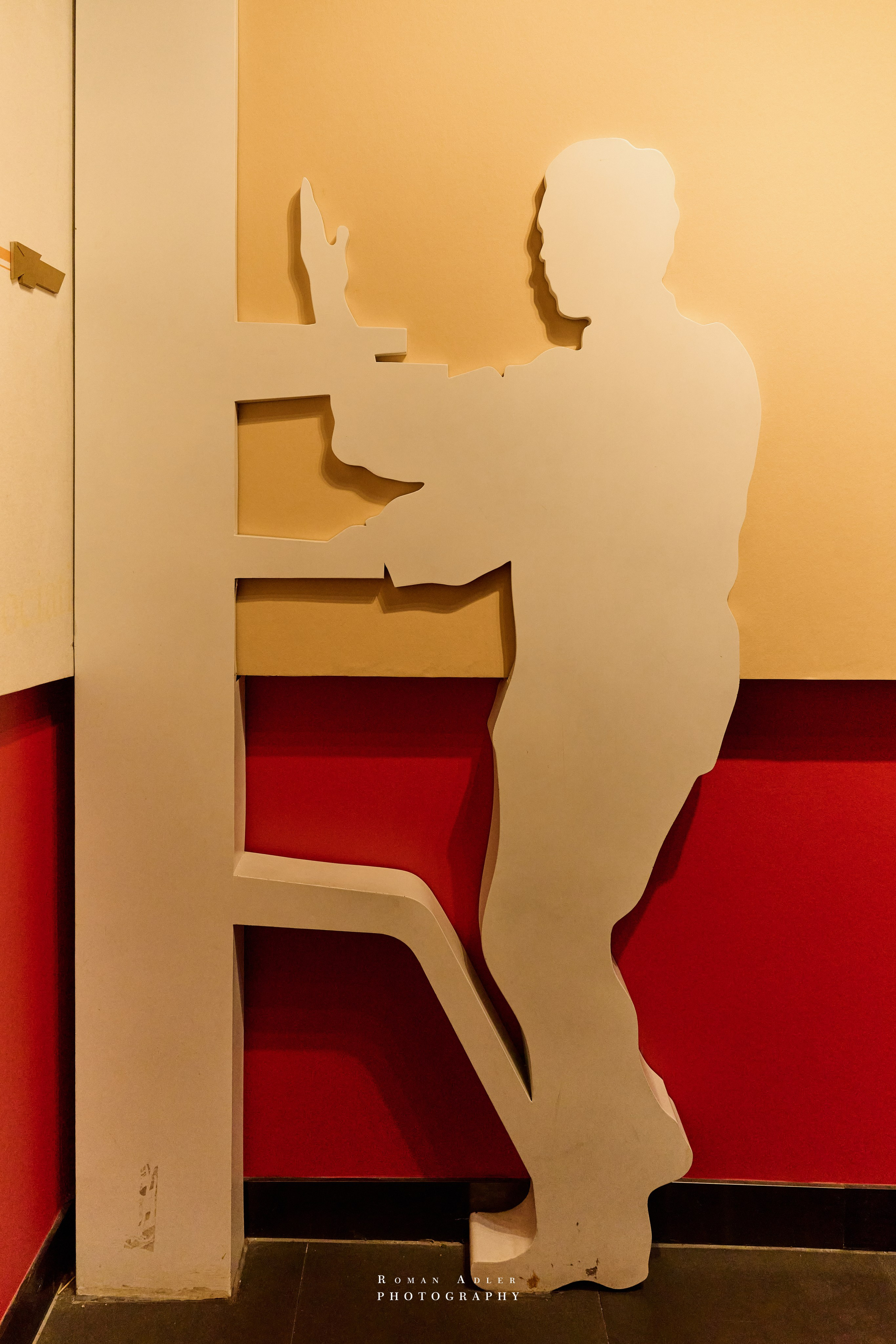
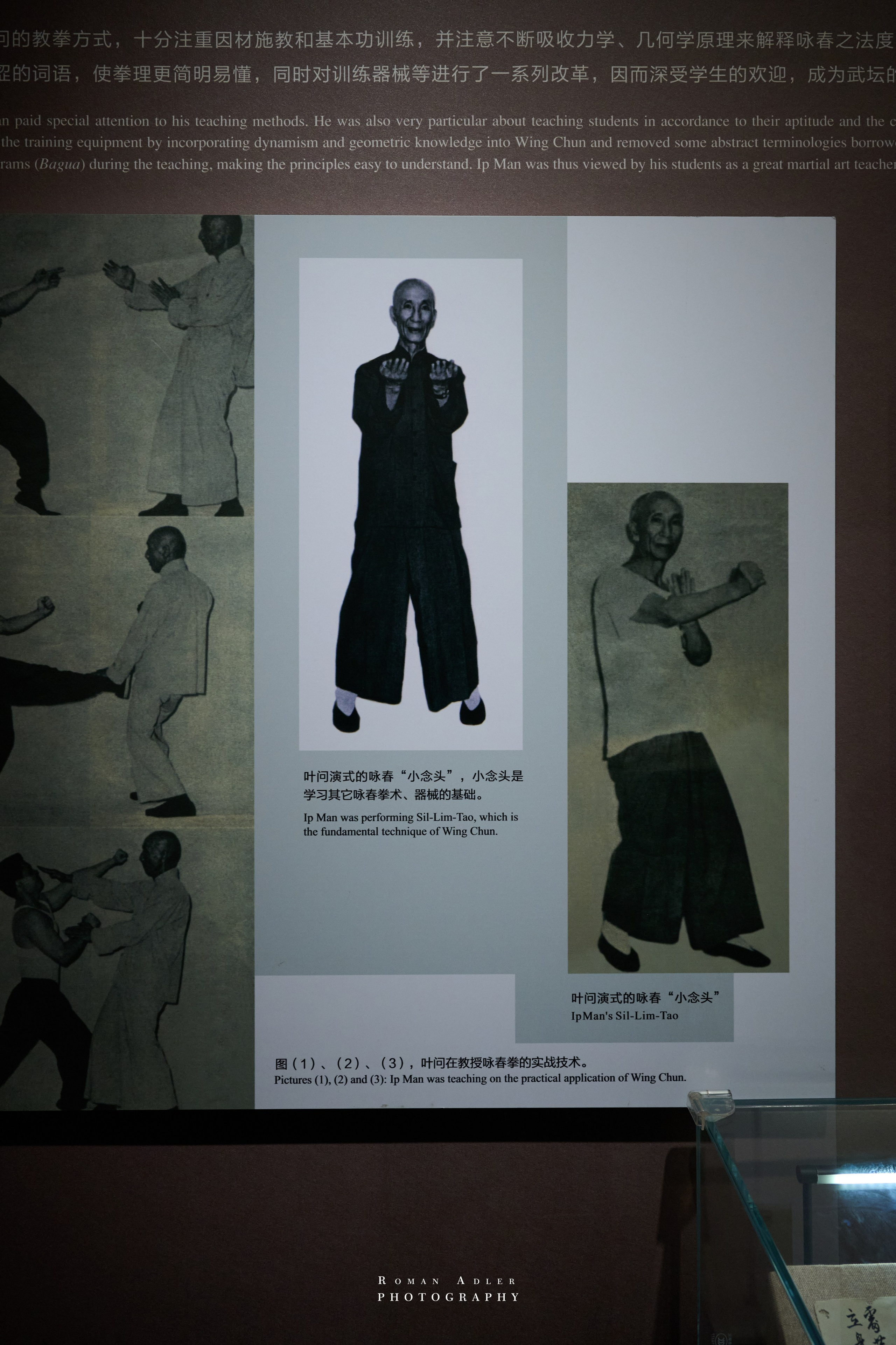
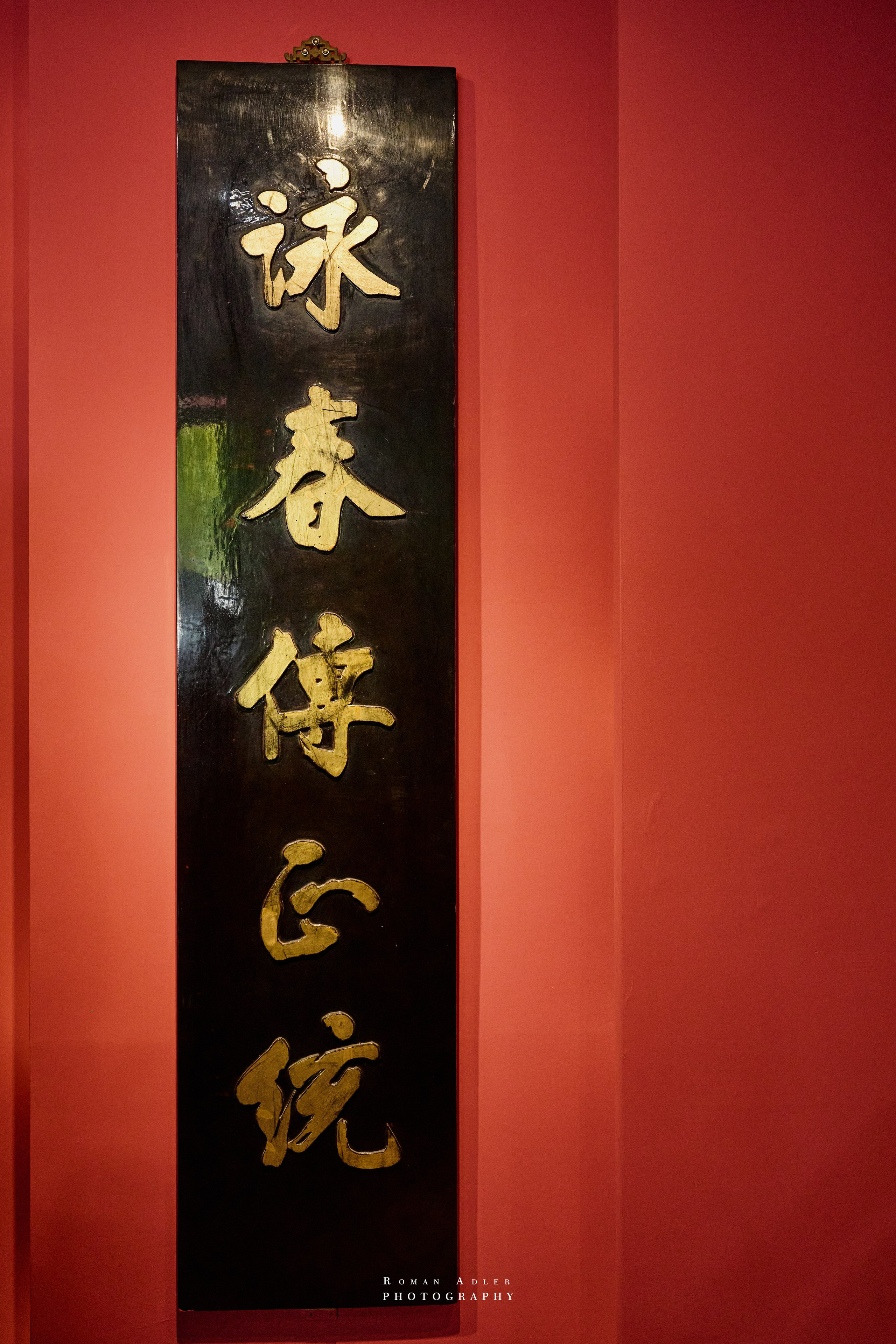
How Did Ip Man Change the World?
An interesting fact, particularly well highlighted in the exhibition: Ip Man was not just a “tough fighter” — he was a revolutionary in teaching. In those days, it was believed that the secrets of mastery should only be passed down to a select few. Ip Man broke this rule: starting in 1949 in Hong Kong, he began teaching anyone who was willing, systematising the knowledge. This is precisely what brought Wing Chun out of the shadows. And right here, in the exhibition, you will see a dedicated section on his most famous student — Bruce Lee. By the way, when Bruce began to deviate from the classics and created his own style, Jeet Kune Do, many criticised him. But according to accounts, Ip Man was proud of his student, understanding that he himself had instilled that spirit of innovation in him.
🎬 How to Plan Your Visit (Pro Tips)
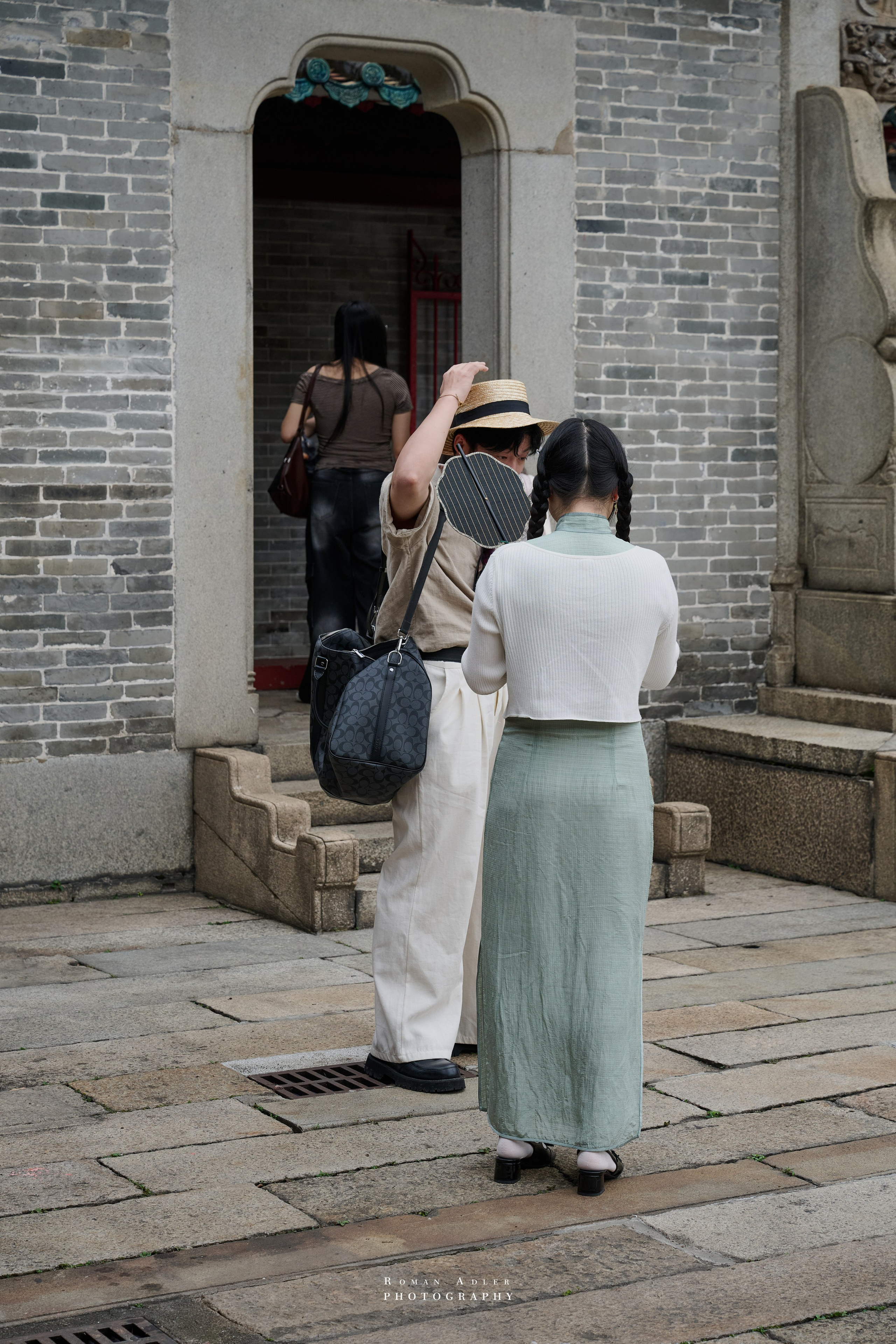
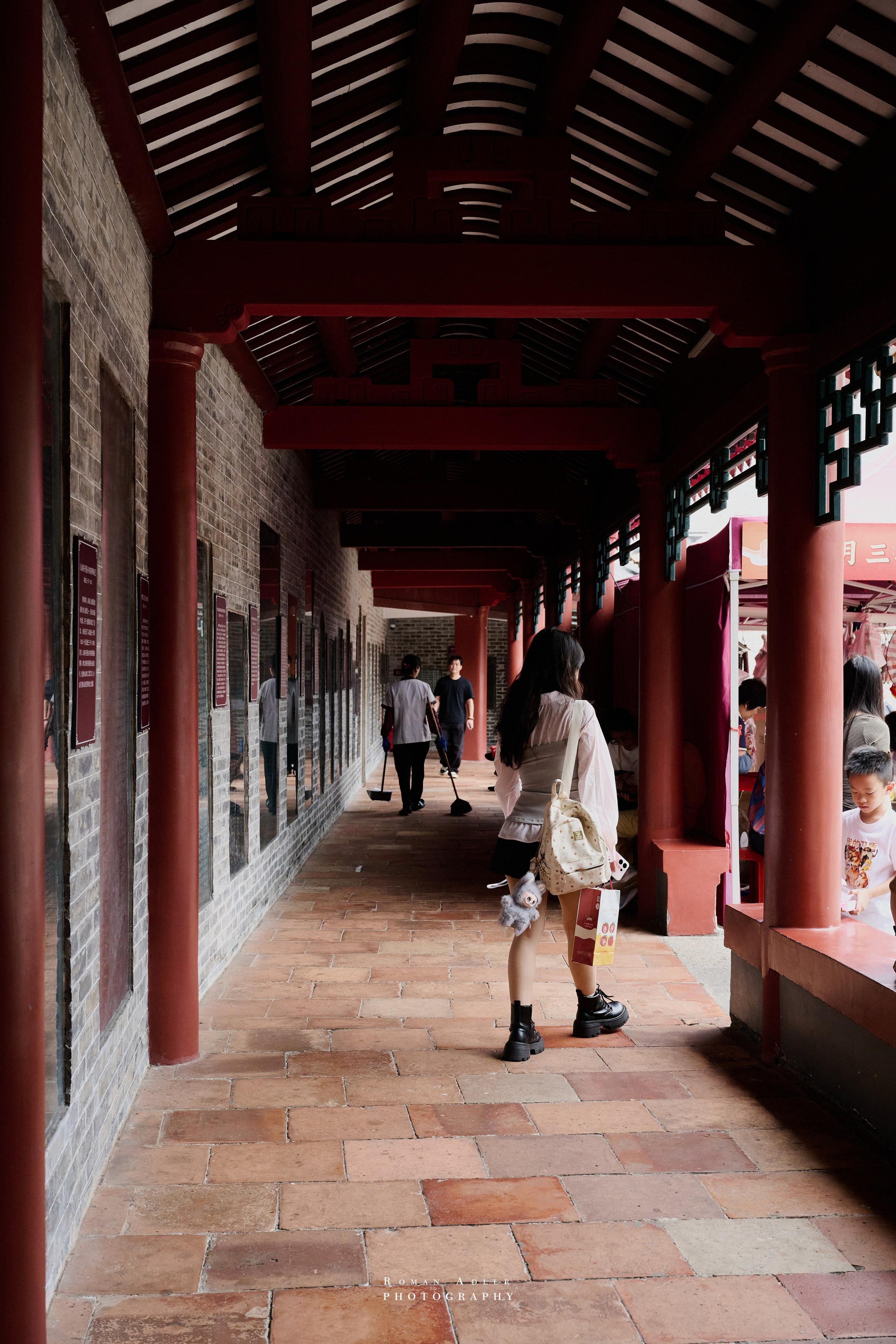
The Hall is located inside a vast museum complex, so it’s best to set aside at least 2–3 hours. · Live Shows: Be sure to catch the lion dance and kung fu demonstration performances. They take place daily at 10:00, 14:15, and 15:30. Seats fill up early — the best view is from the right side of the drums. · Ticket Price: Museum admission is about 20 RMB, and at night (from 18:30) tickets are cheaper — 15 RMB. · Getting There: Metro — Guangfo Line, Zumiao Station, Exit C. It’s a 5‑minute walk.
Touch the Legend
Come here for the spirit. In Foshan, the air is thick with history, and the Ip Man Hall is the best proof of that. Here you come to understand that Wing Chun is not just about movie fights — it is a whole philosophy, a discipline, and a lifelong path. 🥋🐉
All photos are already available in a separate gallery below — just click the button.